Fitness, Nutrition, Health and Sports Blog In the HSNstore Blog you will find tips about Fitness, sport in general, nutrition, and health – HSNstore.com
 Proteins are large molecules composed of carbon, hydrogen, oxygen, and nitrogen atoms. These atoms are grouped into units called amino acids, which are linked together by peptide bonds to form complex chains.
What Are Proteins and Why Do You Need Them?
Proteins are large molecules composed of carbon, hydrogen, oxygen, and nitrogen atoms. These atoms are grouped into units called amino acids, which are linked together by peptide bonds to form complex chains.
Fact: Proteins make up approximately 50% of the dry weight of our body’s tissues.
How much protein does an egg contain and what are its benefits for athletes?
1 min. of reading 2

The egg is a nutritious food that is essential for sportspeople and athletes due to …
What is Micellar Casein and what are its benefits?
1 min. of reading 0

Micellar casein is a form of milk-derived protein, known for its ability to provide a …
What is the best protein to take before going to bed?
1 min. of reading 0

“…It’s 11:45 PM, I had dinner at 8:30 PM, and right now that I’m going …
Top 12 sources of plant-based protein
1 min. of reading 0
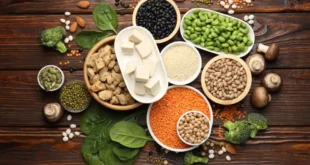
Plant-based proteins are a natural and healthy alternative to animal proteins. The right selection can …
Essential Functions in the Body
Proteins do much more than simply “build muscle.” They play fundamental roles in maintaining health:
- Regeneration: growth and repair of muscle and skin tissues.
- Regulation: help regulate bodily fluids such as urine and bile.
- Immune function: act as antibodies against external pathogens.
- Transport: hemoglobin carries gases throughout the bloodstream.
Protein Properties and Benefits
Unlike fats or carbohydrates, proteins provide nitrogen, making them essential for growth. Although their primary role is not to supply energy, they provide 4 kcal per gram when the body requires it.
What Are They Really For?
- Building new tissues: structural function and continuous cellular renewal.
- Providing essential amino acids: those that the body cannot produce on its own.
- Biological catalysts: essential for metabolic reactions to occur (enzymes).
What are the protein functions?
1 min. of reading 0

The main protein functions include providing energy to the body, the formation and repair of …
What is protein synthesis and what are its stages?
1 min. of reading 0

Protein synthesis is a process by which new proteins are assimilated and produced in the …
Is it better to take protein or amino acids?
1 min. of reading 0

Protein supplements, containing all essential and non-essential amino acids, are key to promoting muscle growth, …
Types of Protein: Which One Should You Choose?
Once protein is broken down into amino acids, the body does not distinguish between animal or plant sources. However, their biological value does vary.
1. Animal-Based Proteins
Found in meat, fish, eggs, and dairy products. They generally offer a more complete amino acid profile, although they may be more difficult to digest.
- Whey Protein: The king of protein supplements thanks to its rapid absorption and excellent amino acid profile.
2. Plant-Based Proteins
Found in legumes (soy, peas), cereals (rice), and nuts. They are ideal for vegan diets or people with digestive sensitivities.
📌 Recommended reading: Detailed Differences Between Animal and Plant Protein
Women and Protein Shakes: Myths and Truths
1 min. of reading 0

We are going to talk about a topic that is surrounded by uncertainty and many …
Protein Analysis: Methods, Reliability and Quality
1 min. of reading 0
The protein analysis is fundamental when it comes to assessing the quality of a product. …
What Types of Protein Supplements Are Available and Which One Should You Choose?
1 min. of reading 0

Still unsure which type of protein is best for you? Before jumping into buying a …
9 sources of protein: their pros and cons
1 min. of reading 0
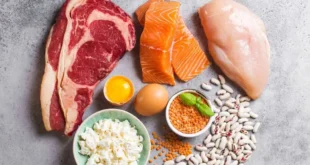
We all know that protein sources are necessary for our growth and to repair and …
Whey Protein Supplementation
If you’re looking to optimize your nutrition, whey protein is the most efficient option. At HSN, as manufacturers, we control the entire production process:
- Concentrate (WPC): ~80% protein purity. Ideal for everyday use (e.g. Evowhey Protein).
- Isolate (WPI): >90% protein purity, with virtually no lactose or fat (e.g. Evolate).
- Hydrolyzed (WPH): “Pre-digested” protein for ultra-fast absorption (e.g. Evohydro).
Why is Evowhey the Best Protein You Can Take?
1 min. of reading 0

When it comes to sports supplementation, quality and trust are key factors when choosing a …
Differences Between Isolated and Concentrated Whey Protein
1 min. of reading 1
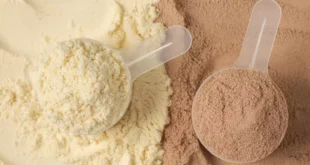
Isolated whey protein offers higher purity per gram, reaching levels of up to 93% compared …
What is hydrolysed protein and what is it for?
1 min. of reading 0

Hydrolysed Protein is an advanced version of whey that is widely recognised in the field …
Protein Shakes with Evowhey Protein from HSN
1 min. of reading 0

Take a pencil and paper to write down these recipes for Protein Shakes with Evowhey …
How Much Protein Should You Take?
The ideal amount depends on your body weight, muscle mass, and physical activity level.
- General population: protein intake should be sufficient to maintain healthy tissues.
- Athletes: require additional protein to repair muscle damage caused by intense training.
When Should You Take It?
Ideally, your protein intake should be spread throughout the day. Key moments include post-workout, at breakfast, or as a healthy snack between meals.
Cooking Tip: It’s not just for shakes! You can use protein powder to make fitness pancakes, high-protein cakes, or even healthy pizza bases.
How much protein do you need per day? Updated HSN guide
1 min. of reading 0

Have you ever wondered if you’re getting enough protein for your goals? For years, official …
How and When to Take Whey Protein
1 min. of reading 0

Whey protein is the fastest-absorbing type of protein, making it very useful at specific times. …
Post-Training Shake
1 min. of reading 0

After a hard training session, the body needs to regain strength and nutrients to enhance …
More “Whey” for your Recipes
1 min. of reading 0

You may start to follow a healthier lifestyle to get a body that fits the …