Fitness, Nutrition, Health and Sports Blog In the HSNstore Blog you will find tips about Fitness, sport in general, nutrition, and health – HSNstore.com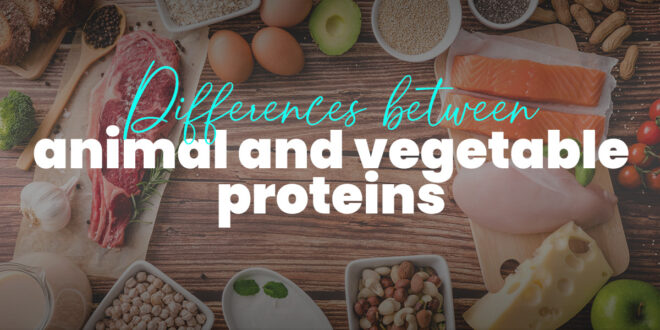

Have you ever wondered about the differences between animal and plant-based protein? While both are essential for a balanced diet, their origin and composition offer unique characteristics:
- Complete vs incomplete amino acid profile: Animal proteins are complete (containing all essential amino acids), whereas plant-based proteins are often incomplete (lacking or having low levels of certain essential amino acids).
- Macronutrient content: Plant-based foods primarily provide protein and carbohydrates. Animal proteins can be lean or contain more saturated fat.
- Limiting amino acids: Plant-based proteins may lack sufficient amounts of certain essential amino acids.
Animal vs Plant-Based Protein: Which Is Best for You?
Generally, the source of protein matters less as long as it is consumed in adequate amounts. Animal proteins are of high biological value, but many vegan athletes successfully meet their needs with plant-based sources.
The key is to obtain essential amino acids through your diet, as the body cannot synthesise them.
The secret lies in maintaining a varied diet, combining both animal and plant-based sources to ensure complete protein intake throughout the day, without needing to consume all amino acids in a single meal.
When Is It Best to Choose Animal Protein?
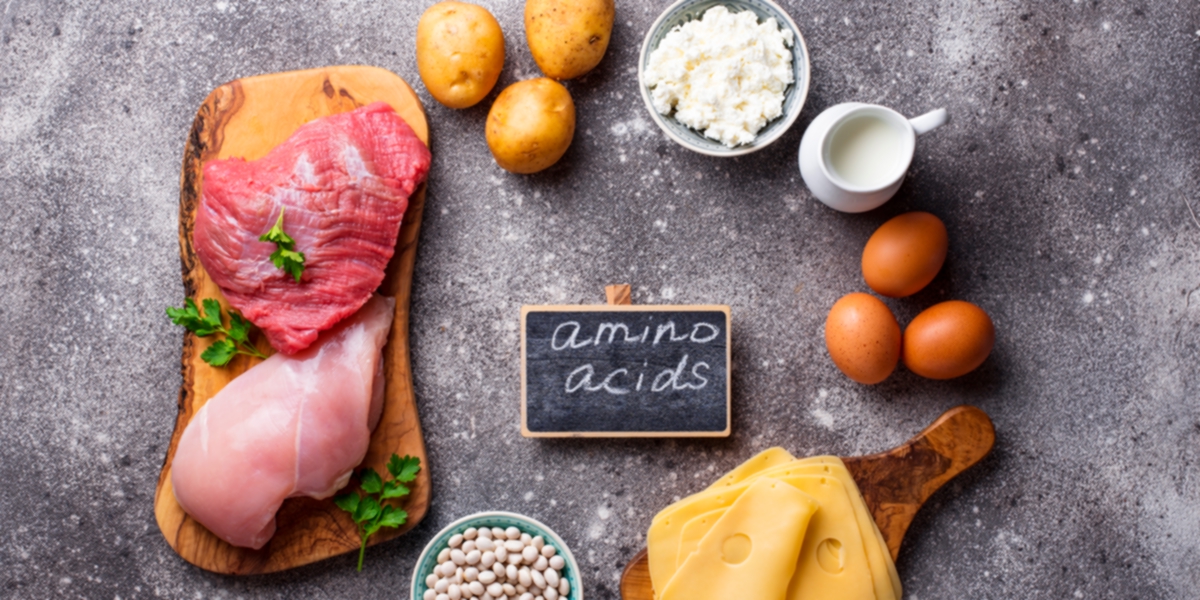
- For those seeking a complete and fast source of essential amino acids: Animal proteins such as meat, fish, eggs, and dairy are ideal for obtaining all essential amino acids from a single source.
- For individuals with high protein requirements: Athletes, especially those engaged in intense strength training, may find it easier to meet their needs with animal proteins due to their high content of branched-chain amino acids (BCAAs), such as leucine, which supports muscle recovery.
When Is It Best to Choose Plant-Based Protein?
- For those following a vegan or vegetarian diet: Plant-based sources such as legumes, nuts, seeds, and soy-based products are essential for individuals avoiding animal products. By combining different plant-based sources, a complete protein profile can be achieved.
- For those looking for low-fat options: Many plant-based proteins, such as chickpeas, lentils, or quinoa, contain lower amounts of saturated fat compared to animal proteins, making them a great choice for those aiming to reduce fat intake.
Biological Value of Animal and Plant-Based Proteins
The biological value of a protein indicates how efficiently the body can use it to build and repair tissues. Both types offer distinct advantages:
- High biological value of animal proteins: Animal proteins, such as those from meat, fish, eggs, and dairy, have a biological value between 90 and 100. This is because they contain all essential amino acids in sufficient quantities, making them easy to digest and absorb.
- Variable biological value of plant-based proteins: Plant-based proteins generally have a lower biological value, ranging from 60 to 80, as some may lack one or more essential amino acids. However, by combining different plant-based sources (such as legumes and grains), it is possible to obtain a complete protein similar in quality to animal protein.

Recommended Daily Protein Intake
| Group | Age [years] | Protein [g/kg] |
| Infants | 7-12 [months] | 1 |
| Children | 1-3 | 0.87 |
| 4-8 | 0.76 | |
| Men | 9-13 | 0.76 |
| 14-18 | 0.73 | |
| > 19 | 0.66 | |
| Women | 9-13 | 0.76 |
| 14-18 | 0.71 | |
| > 19 | 0.66 | |
| Pregnant women | 0.88 | |
| Breastfeeding women | 1.05 | |
| Endurance athletes | 1.2-1.8 | |
| Strength athletes | 1.8-2.5 |
Fuente: Institute of Medicine. 2005. Dietary Reference Intakes for Energy, Carbohydrate, Fiber, Fat, Fatty Acids, Cholesterol, Protein, and Amino Acids. Washington, DC: The National Academies Press.
Benefits of Animal vs Plant-Based Protein
| Benefits of Animal Protein | Benefits of Plant-Based Protein |
| High biological value: Complete proteins that do not need to be combined with other sources. | Rich in nutrients: Contain fibre and antioxidants beneficial for health. |
| Lean sources available: Some options provide pure protein without other macronutrients, useful for nutritional strategies. | Lower in calories: Contain fewer calories per 100g compared to animal proteins. |
| Source of vitamin B12 and Omega-3: Exclusively found in animal-based foods and oily fish. | Low in saturated fat: Ideal for those managing cholesterol levels. |
Recommended Supplements to Meet Your Daily Protein Needs
HSN offers high-quality powdered protein supplements with excellent digestibility and biological value. If you follow a vegan or vegetarian diet, you can also find 100% plant-based protein options.
| Plant-Based | Animal-Based |
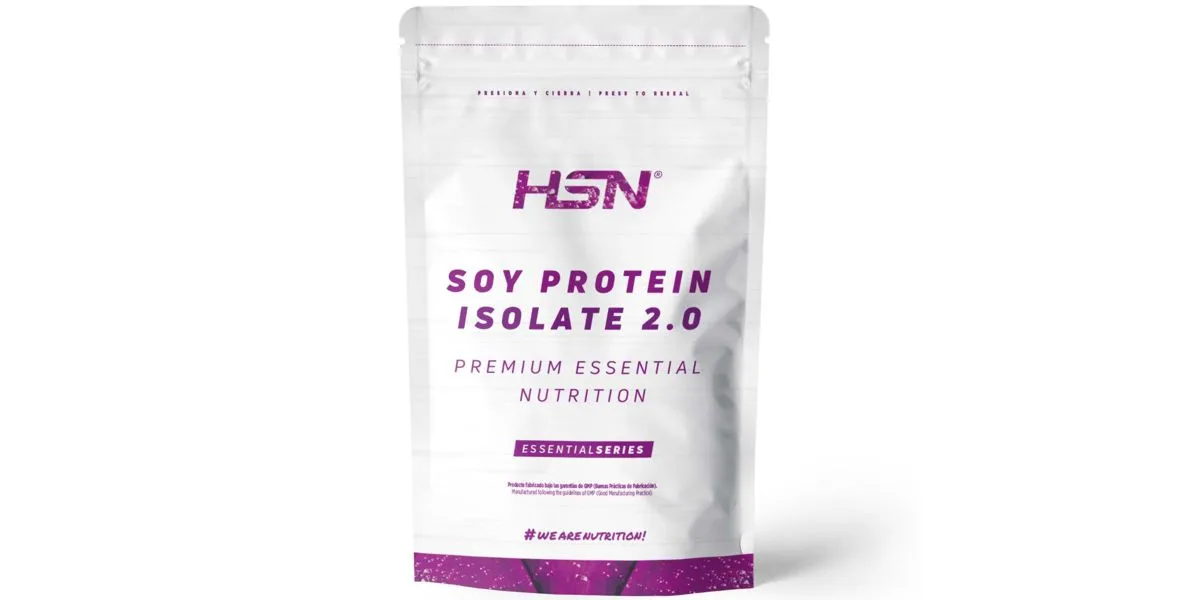 Soy Protein by EssentialSeries
|  Whey Protein Concentrate by RawSeries
|
Related Posts
- Best Plant-Based Protein Sources
- Is Meat Protein Healthy?
- 7 Benefits and Uses of Soy Protein for Health
- Relationship Between a High-Protein Diet and Health