Fitness, Nutrition, Health and Sports Blog In the HSNstore Blog you will find tips about Fitness, sport in general, nutrition, and health – HSNstore.com



In today’s market, we no longer eat just to satisfy hunger. Functional foods have revolutionized our diet: they are foods that, in addition to their basic nutrients, contain biologically active components that provide a specific health benefit or reduce the risk of disease.
What Are Functional Foods, Really?
A food is considered functional if it has been shown to beneficially affect one or more functions of the body, beyond its adequate nutritional effects. They are not medicines; they are part of a lifestyle strategy.
Their main objectives are:
- Improve health and overall well-being.
- Reduce the risk of chronic diseases.
- Optimize biological processes (digestion, immunity, vision).
Natural vs. Modified
Not all functional foods come in processed packages. We can divide them into two main groups:
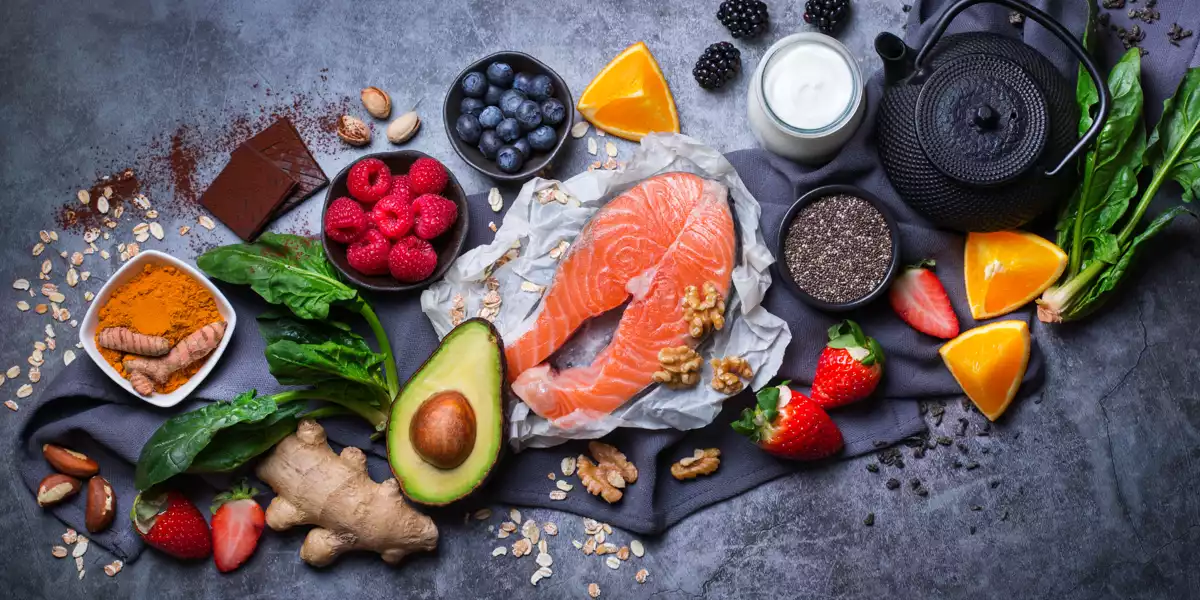
- Natural: Foods that are already functional in their original state. Example: Oily fish (due to Omega-3) or extra virgin olive oil (due to its polyphenols).
- Modified (Enriched or Fortified): Foods to which a component has been added, replaced, or removed. Example: Milk with added calcium and Vitamin D, or juices enriched with folic acid.
The 5 pillars of functional nutrition
To achieve a balanced diet, it is vital to understand what we are providing to our body with every bite:
| Functional Nutrient | Food Example | Benefit |
|---|---|---|
| Antioxidants | Blueberries, Green tea, Cocoa | Fight oxidative stress and aging |
| Fatty Acids (Omega-3) | Salmon, Chia, Walnuts | Cardiovascular health and cognitive function |
| Phytochemicals | Tomato (Lycopene), Soy (Isoflavones) | Prevention of degenerative diseases |
| Vitamins and Minerals | Eggs, Lean meats | Metabolic support and immune system |
| Dietary Fiber | Oats, Legumes | Glycemic control and satiety |
Prebiotics and Probiotics
One of the most important areas of functional foods is digestive health. At HSN, we clearly differentiate both concepts so you know what to choose:
- Prebiotics: They are the “food” for our bacteria. Non-digestible fibers that promote the growth of beneficial flora.
- Probiotics: Live microorganisms (such as those found in yogurt or kefir) that settle in our gut to strengthen the immune barrier.
Functional foods and sports performance
For athletes, functional food is a performance tool. It’s not just about “eating healthy,” but about using nutrients to:
- Recovery: Use of foods with strong anti-inflammatory properties (Turmeric, Cherries).
- Energy: Low glycemic index foods with functional fiber.
- Hydration: Foods rich in natural electrolytes.