Fitness, Nutrition, Health and Sports Blog In the HSNstore Blog you will find tips about Fitness, sport in general, nutrition, and health – HSNstore.com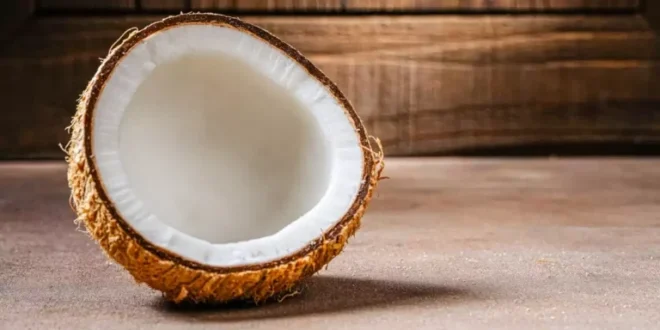

Coconut (Cocos nucifera L.) is a fruit from the Arecaceae family, native to the tropical and subtropical regions of the Pacific Ocean. Nowadays, its cultivation has spread to areas like Central America, the Caribbean, and tropical Africa, where it plays a key role in local food and culture.
Uses of coconut in food and everyday life
Coconut is consumed in many forms, each with specific uses:
- Coconut oil: used for cooking, frying, and also in natural cosmetics.
- Coconut milk: a common base for sweet and savory recipes.
- Coconut water: a refreshing and hydrating drink.
- Coconut pulp or meat: eaten fresh, grated, or dehydrated.
- Shell and leaves: used to make decorative items, furniture, and utensils.
Besides, coconut holds strong cultural and religious value in many societies, symbolizing prosperity and life.
Health benefits of coconut
Weight loss and appetite control
Raw coconut is rich in medium-chain triglycerides (MCTs), a type of fat that the body metabolizes quickly. During digestion, MCTs turn into medium-chain fatty acids, which the body uses directly as energy instead of storing them as body fat.
These lipids can:
- Increase energy expenditure.
- Improve feelings of fullness.
- Help reduce total calorie intake.
That’s why coconut can be a great ally in weight control diets, always consumed in moderation.
Quick and efficient energy supply
The medium-chain triglycerides in coconut behave similarly to carbohydrates, providing immediate energy. Plus, several studies suggest they help preserve muscle glycogen stores, which can be beneficial during prolonged physical exercise.
This makes coconut an interesting food for:
- Athletes.
- Active people.
- Times of physical or mental fatigue.
Rich source of dietary fiber
Coconut is an excellent fiber source, with a single cup providing up to 7 grams of dietary fiber. A fiber-rich diet helps to:
- Improve intestinal transit.
- Reduce the risk of constipation.
- Control blood sugar levels.
- Increase feelings of fullness.
- Support cholesterol control.
Also, coconut fiber may help lower LDL cholesterol (“bad” cholesterol) levels and contribute to preventing digestive and metabolic diseases.
Boosts the immune system
Coconut meat contains fatty acids with antibacterial, antiviral, and antiparasitic properties, such as:
- Lauric acid.
- Caprylic acid.
- Capric acid.
These compounds help strengthen the immune system and fight pathogenic microorganisms. Monolaurin, derived from lauric acid, stands out for its proven effectiveness against certain viruses and bacteria.
Additionally, these fatty acids may help control the growth of Candida, a yeast linked to intestinal imbalances.

Rich in essential minerals and B vitamins
Coconut stands out for its interesting mineral profile, providing key nutrients for the body’s proper function. A cup of grated coconut can provide approximately:
- 60 % manganese.
- 17 % copper.
- 11 % selenium.
- 11 % potassium.
- 10 % iron.
- 9 % phosphorus.
- 6 % magnesium.
- 5 % zinc.
These minerals support bone health, muscle function, the nervous system, and energy metabolism. Plus, coconut is rich in B-complex vitamins, essential for:
- Turning food into energy.
- Maintaining nervous system health.
- Caring for skin, hair, and nails.
Conclusion: why include coconut in your diet?
Coconut is a natural, nutritious, and versatile food that provides healthy fats, fiber, minerals, and bioactive compounds with positive effects on energy, digestion, and the immune system.
Consumed in moderation and as part of a balanced diet, it can be an excellent complement for both active people and those looking to improve overall health.
Related posts
- Discover how coconut oil helps with weight loss
- Did you know these coconut curiosities?