Fitness, Nutrition, Health and Sports Blog In the HSNstore Blog you will find tips about Fitness, sport in general, nutrition, and health – HSNstore.com

Dark Chocolate has a bunch of properties that bring important antioxidant benefits. But, can it actually help boost cognitive ability?
Antioxidant Effects of Dark Chocolate
Polyphenols are a class of phytochemicals widely found in plants and are abundant in our diet.
The advice we’ve all heard at some point about eating dark chocolate in small amounts being healthy is based precisely on the link between polyphenols and health.
This includes:
- prevention and treatment of diabetes,
- cardiovascular diseases (CVD),
- cancer, and
- neurodegenerative diseases.
These effects can be explained by the antioxidant capacity of polyphenols, which is further supported by recent findings showing their role in modifying physiological and molecular mechanisms related to lipid metabolism and energy.
Obesity (especially visceral) can lead to a low-grade inflammatory state that causes insulin resistance and endothelial dysfunction; reducing inflammation can improve glucose metabolism by increasing insulin sensitivity.
However, little is really known about the possible harmful effects of dark chocolate with low polyphenol content on body weight, metabolism, and lipid and glucose levels that could lead to metabolic obesity without necessarily showing physical signs.
Chocolate Processing Method
Flavanols (main components of chocolate polyphenols), along with theobromine and caffeine, are responsible for chocolate’s bitter and acidic taste.
However, the amount of polyphenols in dark chocolate mainly depends on the processing method
Examples include fermentation and Dutch processing*, which improve flavor and taste but can cause a significant loss of polyphenols.
*Dutching: a typical chocolate-making process where an alkali is added to the ground cocoa mass to neutralize chocolate’s acidic tendency.
Polyphenol Amount According to Processing
Therefore, the flavanol content in two different commercial chocolates with the same cocoa concentration can vary significantly depending on the processing level.
Study
After a 4-week intervention, significant differences appear in the trend a chocolate lover might follow if they regularly include it in their diet.
To show the results, two types of chocolate with the same cocoa concentration (65%, which is not very high) are compared:
- High in polyphenols (PRDC)
- Low in polyphenols (LPDC)
Study Results
While levels of the following parameters don’t change significantly when choosing polyphenol-rich chocolate (PRDC), notable increases are observed when consuming chocolate with low polyphenol levels (LPDC) in:
- Body Mass Index (BMI)
- Fasting blood glucose
- Triglycerides
- Though not significant, there’s a comparable upward trend in “bad cholesterol” (LDL) with LPDC versus a decrease with PRDC.
So, not all chocolate has a positive effect on health
The results highlight the potential role of polyphenols in counteracting the negative effects of fat and energy intake from chocolate.
Improving Palatability Worsens Its Characteristics
Anyone who’s tried chocolate in some form knows that the higher the cocoa percentage, the less sweet and appealing it tends to be.
Chocolate companies focus on increasing product palatability by masking the astringent flavanol taste using processing methods that can cause damage to the quality and quantity of polyphenols.
The More Bitter, The Better
That’s why, although there’s no current legislation, there’s talk about legally requiring the inclusion of polyphenol content (especially flavanols) on labels.
This would complete the current info so you can pick truly healthy dark chocolate, the kind you can say has positive health effects (in moderation, of course).
Until then, choosing the purest dark chocolate possible should ensure the highest polyphenol content
Among these, steer clear of “chocolates with (milk, oreo, strawberry, nutella, orange, etc…)”.
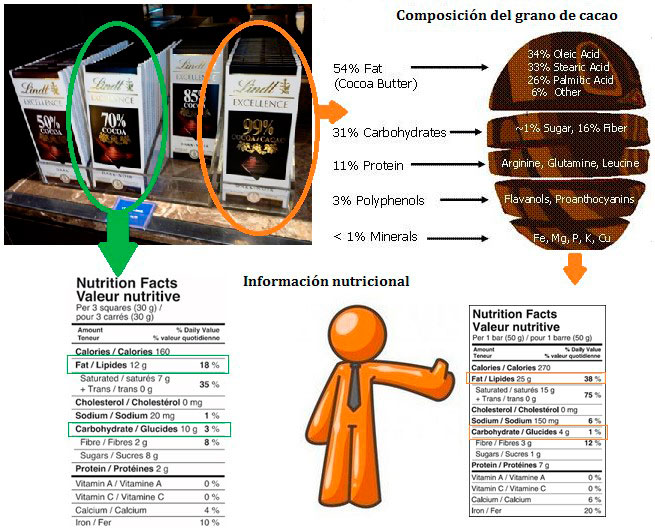
Brands like Lindt, which I think has the widest range of bars, where the 99% cocoa chocolate would be the best option (maybe not the most palatable). Another option is pure cocoa powder (brands like Valor, Hershey’s, Torras)
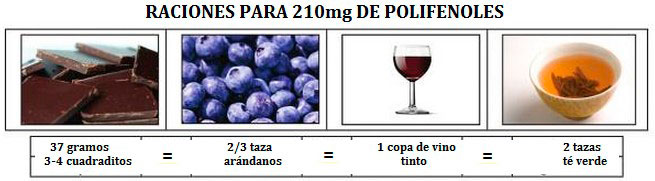
Foods with Polyphenols
Likewise, although good cocoa can be part of a balanced diet, it shouldn’t be the only excuse to get polyphenols.
Servings for 210 mg of Polyphenols
Dark Chocolate for Cognitive Function Improvement
“A study found that one of our favorite vices (pick any) has health benefits”
This often-used phrase seems to give us the privilege of, without digging deeper, indulging in that favorite vice with little worry about its real effects.
In one episode, they talk about the supposed benefits of cocoa on mental calculation. They set up a comparative protocol whose methodology leaves a lot to be desired from a scientific standpoint.
Overall, the show follows a not very valid or reliable approach for its analysis methods to support the unequivocal conclusions they present for each superfood.
We’ll focus on the particular case of cocoa because of the great interest it sparks in society.
Does Eating Chocolate Improve Memory?
At the start of 2016, a study was published in the journal Appetite.
It found that memory and abstract thinking improved in those who reported higher chocolate consumption.
These effects didn’t seem influenced by factors like age, weight, and overall health.
Longitudinal Study on Chocolate Consumption
Initially, it was a longitudinal study (observing the same group repeatedly over years) involving 968 people for over 35 years.
Diet intake measurement and cognitive function evaluation were done only in a subgroup tested during the last 5 years of follow-up, between 2001 and 2006.
So, the main analysis of chocolate effects could only look at cross-sectional associations
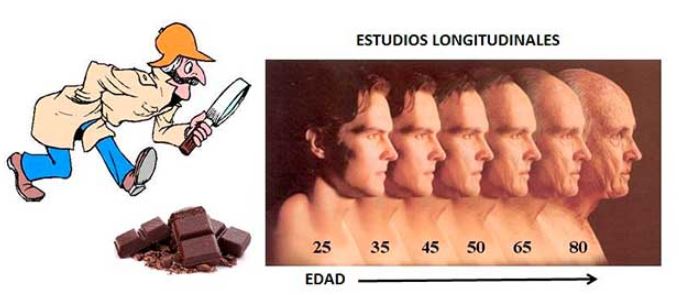
To determine changes linked to aging, heart disease development, and cognitive performance, participants completed questionnaires and physical exams at various times.
Study Methodology
In 2006, participants reported the weekly frequency of eating various foods.
Study Groups
Food intake was collected by researchers via a retrospective weekly intake questionnaire. This introduces a considerable margin of error (how many of you remember exactly what you had for lunch a week ago?).
Two groups were formed based on chocolate consumption:
- Those who didn’t regularly eat chocolate (337 people);
- And those who ate chocolate at least once a week (631 people).
How Was Brain Capacity Evaluated?
Brain function was tested with tasks like remembering where things were (spatial memory), abstract reasoning, attentional memory…
They analyzed the relationships between chocolate consumption and performance on these cognitive tasks
That means it shows an association between people reporting regular chocolate consumption and better brain function test scores.
It doesn’t show that chocolate consumption directly causes improved brain function.
Correlation Doesn’t Imply Causation
To say something caused an improvement in another variable, all other factors shared by these two main variables must be measured and held constant.
Here, to claim cognitive improvement, they don’t mention that people who ate more chocolate also had better diets (more veggies, meats, dairy, and more food overall) and drank less alcohol.
Nor that more women than men ate chocolate according to the questionnaires. This bias could skew results since women often perform better than men on certain cognitive tests, especially in older adults.
Study Limitations
The chocolate group was also less likely to have high blood pressure or diabetes and had lower fasting blood glucose than those who didn’t eat chocolate.
It’s important to note that more people in the no-chocolate group had diabetes, so they might have avoided chocolate due to its sugar content (since purity wasn’t controlled).
So, Is Cocoa Still Bad?
Chocolate often gets demonized
Mostly because of the high sugar and fat content in chocolate bars, spreads, or pastries and its association with “guilty pleasure.”
However, cocoa actually contains a lot of compounds that act on the brain
Flavonoids for the Brain
Specifically, cocoa has flavonoids, also found in fruits like grapes and apples. Cocoa also contains caffeine and theobromine, stimulants found in coffee and tea.
These natural compounds are thought to help improve alertness, which may boost brain function.
More Rigor Needed in Studies
Despite this evidence, it’s crucial to understand what a correlational study means. Something the show seems to overlook.
To prove their point, an experiment could compare a high-purity chocolate-rich diet against a chocolate-free diet over a reasonable time, then test brain function.
A few hours, as the show suggests, isn’t enough to draw conclusions
We need carefully designed experimental studies to examine the link between chocolate and cognitive health, and the underlying mechanisms
And like this example, everything. Developing critical thinking is key to being independent enough to adapt knowledge to our own circumstances.
With the huge educational potential of shows like this, most stay on the surface of what the complacent viewer wants to hear.
If you watch shows like these, don’t take away the idea that “I have to eat chocolate/raisins/pasta/broccoli/…” to stay healthy
References
- Farhat, G., Drummond, S., Fyfe, L., McDougall, G., & Al-Dujaili, E. A. (2015). Comparison of the Effects of High versus Low-Polyphenol Dark Chocolate on Body Weight and Biochemical Markers: A Randomized Trial. EC Nutrition, 2(3), 354-364.
- Letenneur, L., Proust-Lima, C., Le Gouge, A., Dartigues, J. F., & Barberger-Gateau, P. (2007). Flavonoid intake and cognitive decline over a 10-year period. American journal of epidemiology, 165(12), 1364-1371.
- Rapitis, G. (2013). The Lighter Side of Dark Chocolate: Take it to Heart. Bloomington. AuthorHouse.
- Sies, H., Schewe, T., Heiss, C., & Kelm, M. (2005). Cocoa polyphenols and inflammatory mediators. The American journal of clinical nutrition, 81(1), 304S-312S.
- Crichton, G. E., Elias, M. F., & Alkerwi, A. A. (2016). Chocolate intake is associated with better cognitive function: The Maine-Syracuse Longitudinal Study. Appetite, 100, 126-132.
- Ingalhalikar, M., Smith, A., Parker, D., Satterthwaite, T. D., Elliott, M. A., Ruparel, K., … & Verma, R. (2014). Sex differences in the structural connectome of the human brain. Proceedings of the National Academy of Sciences, 111(2), 823-828.
- Scholey, A., & Owen, L. (2013). Effects of chocolate on cognitive function and mood: a systematic review. Nutrition reviews, 71(10), 665-681.
Related Posts
- Phytonutrients: What They Are and Their Health Benefits
- Theobromine – What It Is, What It’s For, and Its Effects
- Oxidative Stress and Training: Are Antioxidants Necessary?