Fitness, Nutrition, Health and Sports Blog In the HSNstore Blog you will find tips about Fitness, sport in general, nutrition, and health – HSNstore.com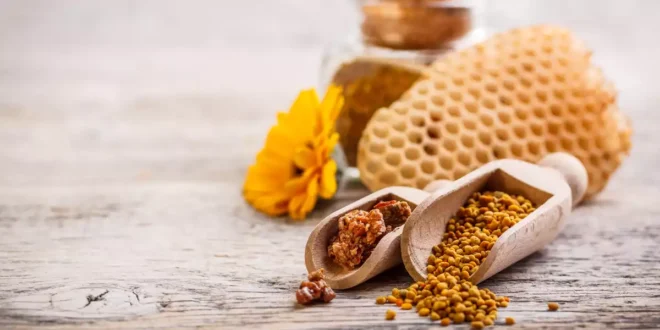

The propolis (or bee glue) is one of the oldest natural remedies known to mankind. Used since Ancient Egypt, modern science now confirms what our grandmas already knew: it’s an exceptional ally for the immune system.
This biological gem is born when bees collect tree resins from pines, oaks, or willows and transform them, using wax and their own salivary enzymes, into an ultra-resistant paste.
In this article, we break down its benefits, composition, and how you can add it to your routine to protect yourself, especially during cold seasons.
The secret behind its 250 components
Scientifically, propolis is a biological cocktail. Around 250 active components have been identified, including:
- Bioflavonoids (like galangin): The real heroes behind its antioxidant and antibiotic action.
- Resins and balsams: About 50% of its weight.
- Essential oils and pollen.
- Vitamins and minerals: Vitamins A, B1, B2, B3, and minerals like iron, silver, and barium.
Health benefits of propolis
Among the most important, we can highlight:
1 Immune system and respiratory tract boost
It’s considered a natural antibiotic. Its use is perfect to prevent and treat:
- Flu, sinusitis, and laryngitis.
- Bronchitis and non-allergic asthma.
- Influenza (helps reduce symptom duration).
2 Oral and throat health
Thanks to its anti-inflammatory and antiseptic properties, it’s effective against gingivitis (bleeding gums) and mouth ulcers. Many use it as a gargle to instantly soothe sore throats.
3 Skin care and wound healing
Propolis speeds up tissue regeneration. It’s great for treating:
- Cold sores and minor burns.
- Acne and eczema.
- Athlete’s foot (especially Brazilian green propolis).
4 Digestive and circulatory system
Studies show it helps fight Helicobacter pylori bacteria and protects the liver. Plus, it acts as a vasodilator, helping stabilize blood pressure and protect capillaries.

Where to buy the best Propolis supplement?
Propolis extract is one of the most valued natural ingredients in beekeeping. It comes from a resin made by bees from plant compounds and is known for its richness in flavonoids, phenolic compounds, and natural aromatic substances.
The Bee Propolis Extract (3:1) 500 mg by EssentialSeries offers a concentrated, practical, and high-quality way to add this traditional ingredient to your daily routine.
Why choose HSN’s?
✨ High concentration in every capsule
- This supplement uses a 3:1 extract, meaning: 500 mg of extract equals 1500 mg of raw propolis.
- It allows you to get a higher concentration of natural compounds in just one daily dose.
- No need to take multiple capsules throughout the day: a comfy and efficient option for daily use.
? Standardized in flavonoids to guarantee quality
- One of the most important things when choosing a propolis extract is its standardization.
- This product is standardized to 7% flavonoids, a parameter used as a quality and consistency indicator in natural extracts.
How to take propolis correctly
Depending on the format, the dose varies:
- In capsules: It’s best to follow the manufacturer’s dose (usually 500 mg a day for maintenance).
- In drops: For throat infections, you can apply 3 to 5 drops directly or diluted in an infusion.
- Topical: Apply directly on wounds or cold sores to speed up healing.
Contraindications and safety
Although it’s a safe product, keep in mind:
- Allergies: If you’re allergic to pollen or bee products, do a patch test first (one drop on the forearm).
- Pregnancy and breastfeeding: Always check with a doctor before use.
Prolonged use: There’s no problem with continuous use as long as you stick to the daily dose indicated (if taken as a dietary supplement). Still, for chronic use, it’s always recommended to consult a healthcare professional.
References
- “The great natural remedies” Alfredo Ara Roldán. Publisher: Vida natural
- “Medicinal nutrition” Jorge Valera
- “Propolis: Alternative in the treatment of pediatric pulpotomies” Mauricio Orellana, Jaime Nava, and Eduardo Orellana
- “Health encyclopedia” Marta Lladó. Publisher cultivalibros
Related posts
- 12 benefits of royal jelly you didn’t know
- Therapeutic properties of honey
- All the benefits of cranberry
- Benefits of Echinacea for your defenses