 Fitness, Nutrition, Health and Sports Blog In the HSNstore Blog you will find tips about Fitness, sport in general, nutrition, and health – HSNstore.com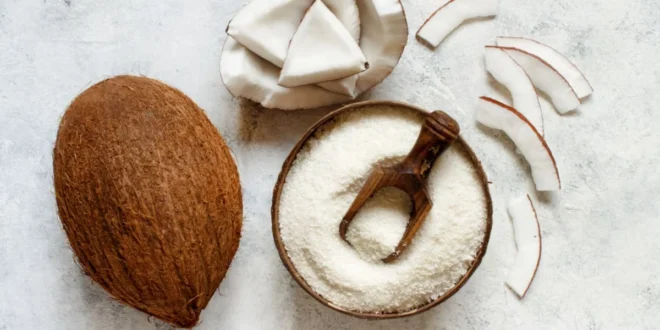

Coconut flour is becoming increasingly important in the preparation of delicious fitness recipes.
It is a product with these properties:
- Gluten-free;
- High in fibre, protein and minerals;
- Low in carbohydrates; and
- The fats present are completely healthy.
It is important not to confuse coconut flour with shredded coconut.
Although they are made from the same fruit, they are very different and respond differently when used in cooking, due to both their texture and the level of liquid absorption:
- Coconut flour is made from coconut pulp, usually after the coconut milk has been extracted; the coconut pulp has to be dried and after this process, it is ground into flour.
- Shredded coconut is also made from dried coconut pulp, but its format consists of small shavings of this pulp and its absorption capacity is much lower.
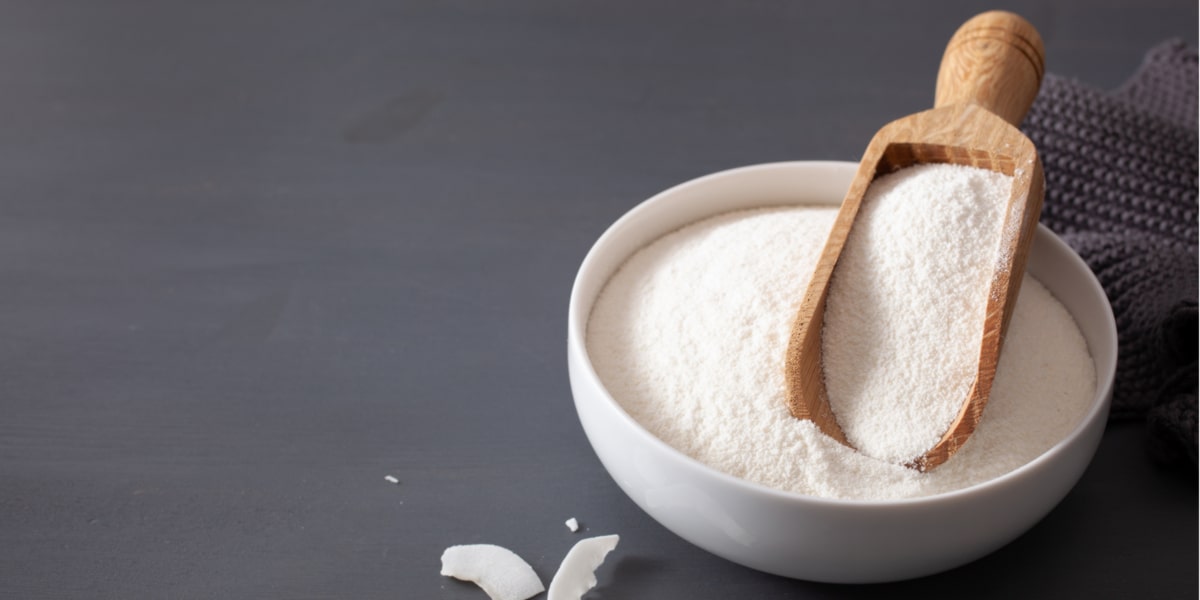
The appearance of coconut flour is white and fine, similar to wheat flour.
Nutritional value
If you haven’t tried it yet, it’s worth doing so. Coconut flour is a natural food that nourishes 100 %.
| Component | Amount (gr) |
| Fibre | 43 |
| Protein | 18 |
| Carbohydrates | 17 |
| Fats | 15 |
Nutritional content for 100g of coconut flour.
Why incorporate coconut flour into your diet?
Coconut flour is an excellent option for people who are gluten intolerant, as well as for those who are sensitive to nuts and cereals, as it is a less allergenic food.
In addition, this flour has important nutritional properties and organoleptic characteristics, making it the ideal substitute in any type of recipe to incorporate into your diet, providing benefits that contribute to a healthy lifestyle.
Here are the main advantages of including coconut flour as an essential ingredient in your diet.
- Prebiotic: its high fibre content helps to regulate intestinal transit and control the bacterial flora, as it has a prebiotic effect.
- High protein content: it contributes to the feeling of satiety and provides five of the eight essential amino acids.
- MCT: about 80% of the fats present are saturated, with high levels of medium-chain triglycerides (MCTs) that aid digestion, improve calcium absorption and stimulate the immune system. Good quality fats (rich in lauric acid) also help to reduce LDL cholesterol levels.
- Low glycaemic index carbohydrates: so they are digested and absorbed more slowly, so they do not generate blood glucose peaks. It therefore also helps to control body weight.
- Source of minerals: selenium, magnesium or iron.
What can you use it for?
Coconut flour has quite particular culinary characteristics compared to cereal or almond flour. In the case of substituting other flours for coconut flour, bear in mind the following:
- Use approximately one third of the flour (for every 100 g of the flour indicated in the original recipe, use 30 g of coconut flour).
- For every 30 g of coconut flour, add another egg to the recipe.
- If the recipe contains plant-based milk, oil or water, the amount of liquids must be increased. This amount will depend on the texture required for each preparation.
- You can also use coconut flour in combination with other flours, in varying proportions, depending on the type of recipe.
Here is a sweet and a savoury recipe:
Recipes with coconut flour
We propose two delicious recipes with Coconut Flour:
Which one do you prefer? (you can choose both 😉 ).
Where to buy?
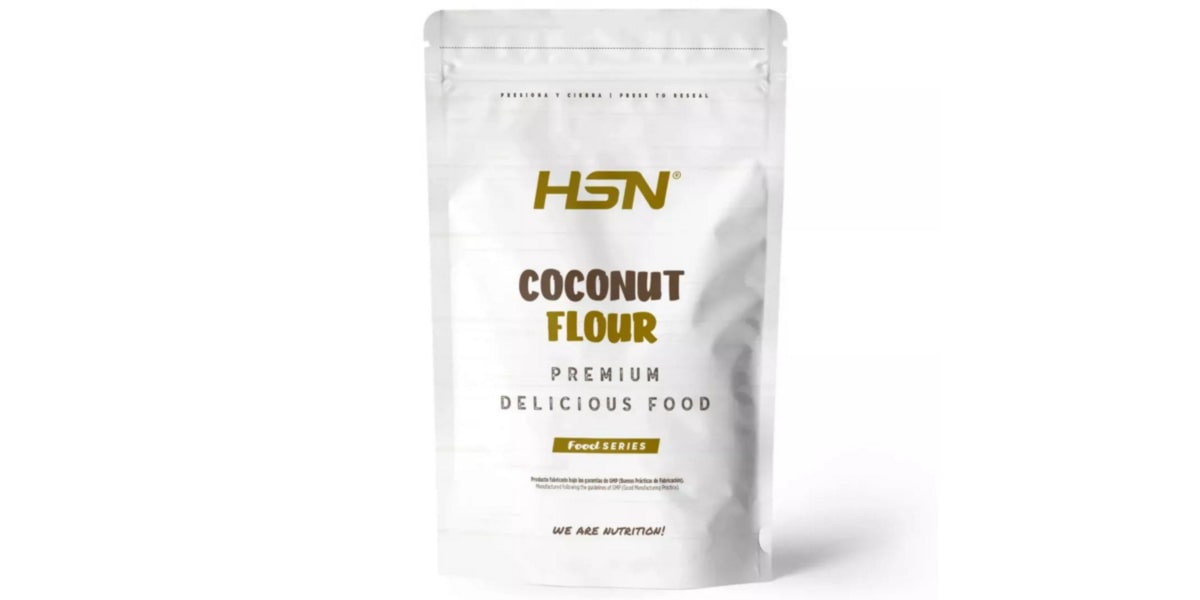
The best way to prepare your fitness recipes is with HSN’s Natural Coconut Flour. This brand offers you a product of unbeatable quality at the best price on the market.
Related Entries
- Low-Carb Flours: Everything You Need to Know.
- Coconut milk properties.
- How to use Oat Flour? Go to the Post.