 Fitness, Nutrition, Health and Sports Blog In the HSNstore Blog you will find tips about Fitness, sport in general, nutrition, and health – HSNstore.com

If you’re gearing up to start a weight loss diet plan, there’s a type of product you might want to keep an eye on. They’re the well-known carb blockers
High-Carb Diets
A high-carb diet is often blamed as the main culprit behind many people’s excess weight. Because of this, low-carb diets have gained popularity over time. Carbs provide glycogen (the storage form of carbohydrates), the primary energy source for our muscles. However, a high intake can lead to unwanted effects, like fat gain, especially if you don’t need that much energy due to lack of exercise or movement.

One of the worst myths: start your day full of energy and eat your cereals… There are definitely way better options, like having eggs, which provide proteins and high-quality nutrients for breakfast…
Why Moderate Carb Intake
Weight gain
In the food pyramid recommended by official organizations…, carbs are at the base, meaning people should eat more carbs than any other food type. When eating fewer carbs, the body looks for another energy source. But if we consume more carbs than needed, some will be stored in the body as fat, leading to unwanted weight gain.
The current trend, where due to various factors “we move less,” whether because of work or sedentary lifestyle… makes these recommendations somewhat inconsistent
Reducing diseases
Carbs stimulate insulin production, a hormone whose main role is “storage.” This hormone is released by the pancreas, so one effect of “overdoing” carbs, especially simple or refined ones, is overworking the pancreas.

Many people trying to lose weight try to cut out many foods rich in refined or processed carbs (like bread, pasta, flours, cookies…) and swap them for fruits and veggies to reduce empty calorie intake
Types of Carbohydrates
There are three main types of carbs:
- Sugar: the simplest form of carbs, naturally found in some foods including fruits (fructose), vegetables, milk (lactose) and dairy products, or table sugar (sucrose)
- Starch: a complex carb made up of a number of glucose molecules linked together. Naturally found in vegetables, grains, legumes, and tubers.
- Fiber: also a complex carb, but with certain properties, where some types (insoluble fiber) can’t be absorbed by our body. Examples include vegetables.
Carb Digestion
The goal of carb digestion is to break down carb molecules into the unit our body absorbs: glucose. This glucose enters the bloodstream and is transported, via insulin, to storage sites (liver and muscles). Starches require the most digestion since they’re made up of many glucose units. They can’t be absorbed unless first broken down into glucose molecules by the enzyme amylase.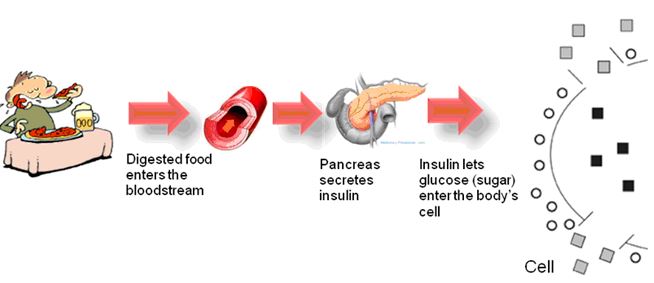
After a high-carb meal, our body reacts by releasing insulin into the bloodstream to lower blood sugar levels, which leads to glucose storage in body tissues
What Are Carb Blockers?
As the name suggests, they’re supplements that help reduce calories from carbs we eat by blocking enzymes needed to digest certain carbs, like starch.

Carb blockers inhibit starch digestion. Sugars like sucrose, glucose, or fructose aren’t affected
Why Use Carb Blockers?
If you’re on a weight control diet and want to boost your results, you can add supplements to help reach your goal. Specifically, you can save a percentage of calories consumed during a diet to speed up the process. Carb blockers shouldn’t be used as a free pass to eat high-calorie meals or during social events…

Don’t use carb blockers as an excuse to indulge in sweets, that’s not what they’re for…
Benefits of Carb Blockers
- Help Lose Weight: cutting a percentage of calories from starches over time can be a solid reason to aid weight control
- Help Control Appetite: they can affect hormones related to hunger and fullness
- Help Regulate Blood Sugar: controlling insulin spikes
- Help Increase Resistant Starch: carb blockers prevent digestion of complex carbs in the small intestine, making these carbs act like resistant starch. This type of starch behaves similarly to fiber that isn’t digested.

Despite the benefits of carb blockers, it’s the person’s choice to maintain healthy habits that will allow them to keep their shape or reach planned body composition goals
How Do Carb Blockers Work?
Prevent absorption
Carb blockers work by blocking carb absorption through various methods. The most common is taking a substance called phaseolamin, which is an alpha-amylase inhibitor, the enzyme involved in carb digestion. This enzyme is produced in saliva and breaks carbs into smaller molecules the body can absorb. Phaseolamin’s blocking action causes many undigested carbs to pass through the digestive tract.

The White Bean Extract (Phaseolus Vulgaris) contains substances that can inhibit this enzyme, drastically reducing glucose absorption and, of course, calories
Regulate blood sugar
Most carb blocker supplements also include other ingredients like chromium, vanadium, etc., to control appetite by improving blood glucose control and enhancing the carb blocker’s effect.
The mineral chromium, which can be taken as a supplement in the form of Chromium Picolinate, is a common ingredient in carb blockers. Chromium, a trace element, helps metabolize carbs and optimize glucose uptake by muscle tissue instead of fat cells.
A study from Louisiana State University showed that 1,000 mg per day of chromium picolinate reduced intake by 200 to 400 calories daily in an eight-week study of 42 overweight women. The women felt less hungry and lost more weight than those on placebo.

Are Carb Blockers Effective?
Carb blockers aren’t 100% effective, so they can only prevent part of the carbs you eat from being digested. This amount varies, but at best, they can block around 50-65% of the enzymes responsible for carb digestion. The % of enzymes blocked doesn’t directly relate to % of carbs blocked.
Effectiveness would be higher if we consider diet composition, where large amounts of sugars are generally found.
Considerations for Carb Blocker Supplements
- This type of supplement won’t block proteins or fat calories. Foods rich in carbs are often also high in fat or protein (like pizza or fries), which can still impact overall fat loss results.
- Some people have noticed that carb blockers can cause digestive discomfort, so that’s something to keep in mind.
- Since carb blockers block absorption of some carbs, they can also block absorption of certain nutrients, which could risk nutritional deficiencies.
Make sure to watch out for these points and take steps to keep your diet well balanced, adjusting your calorie needs based on your goals. Many people really enjoy relying on carb blockers to allow more freedom and flexibility in their diet, but you should know the pros and cons before deciding if it’s right for you.
Tips on Carb Blockers
If you want to eat as many carbs as you like and take these supplements at the same time, the answer is clear… obviously not. But for those truly committed to maintaining a proper nutrition and training plan, they can be quite effective.

You can’t base your diet on a high proportion of carbs if you spend most of your time without doing any physically demanding activity
Cutting out carbs completely isn’t the solution, and as mentioned at the start, they should be consumed moderately and adjusted to your physical level, prioritizing fiber-rich foods, like vegetables.
Where to Buy Carb Blockers?
At HSNstore.com you can get Carb and Fat Blockers at the best price.
Related Posts
- Best Tips to Lose Weight
- What Are the Benefits of a High-Protein Diet?