Fitness, Nutrition, Health and Sports Blog In the HSNstore Blog you will find tips about Fitness, sport in general, nutrition, and health – HSNstore.com

Many people who do sports, especially those in the fitness world, usually pay close attention to their diet and give a lot of importance to the nutrients they consume. One key point athletes always consider is the Glycemic Index (GI) of foods.
But let’s break down what the glycemic index really is, and why it’s not a relevant value when deciding if a carbohydrate is good or not:
The Glycemic Index doesn’t help us
When analyzing a food based on its glucose content within the total carbohydrates it contains, it’s usually shown as a percentage per 100 grams of product (rice, pasta, potato…) or per piece (apple, banana, pear…).
There are tables online showing this representation for foods, which can give us a rough idea of that glucose amount.

This glycemic index is compared based on the amount of glucose (glycemic index 100) a food has and how long it takes to enter the bloodstream.
However, this is often not calculated correctly or they try to sell you a high glycemic index food as if it were the worst thing ever and you shouldn’t eat it.
Glycemic Index and Glycemic Load
A banana has roughly a glycemic index of 60%, and about 29,64 grams of carbohydrates per piece, so the glycemic load of the banana is approximately 12% per serving (calculate 60% of 29,64).
If we apply these parameters, the banana would be below 20 in glycemic load (the ranges we should follow are: over 20, HIGH glycemic load; under 20, low glycemic load).
Still, these factors aren’t the whole story…
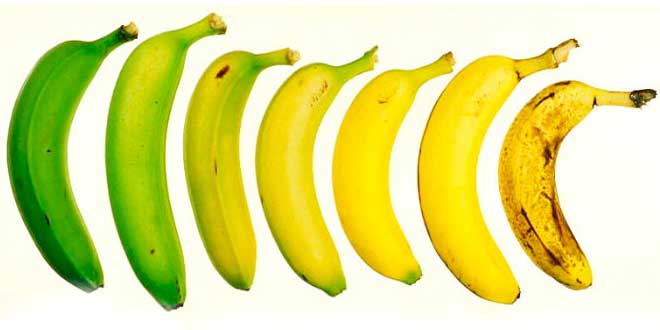
Let’s say that banana we talked about was unripe, green in color, the glycemic index would drop, maybe to around 20%, and if it were riper it could even reach 70%. So, we can conclude that this glycemic index is very variable.
Watermelon, yes, watermelon, that fruit that’s mostly water, is considered a high glycemic index food because it has 75% GI according to the table, but if we apply the same logic as with the banana, its glycemic load based on carbohydrates is 1,89 (we calculate 75% of 7,55 grams of carbohydrates watermelon has per 100 grams) — an insignificant amount.

If you want to eat watermelon, don’t hesitate, eat it without worries (just watch the carb amounts)
Another example: white rice has roughly a glycemic index of 70% (HIGH) based on its carbohydrate content (it’s at the high end of the glycemic table).
But if we do the previous calculation to find the total glycemic load, it would be about 13,9 (calculated as 70% of 44 grams of carbohydrates in 100 grams of white rice).
But this is totally manipulable, because if I boil the rice, the glycemic index goes up, and if I then put it in the fridge, that glycemic index drops and it even loses some of its carbohydrates due to retrogradation.
And not only that, if I mix it with a steak and some veggies, for example, I slow down that absorption and the speed of glucose in the blood even more.
Use amounts, not percentages of foods
Knowing this, hopefully it’s clearer that what really matters here are the amounts, not the percentages, which as we’ve seen can be totally manipulated.
Obviously, these data are set per 100 grams of product, but if I were to eat 250 grams of rice ALONE, the glycemic load would indeed be quite high.
In short, just because you eat more of a food with a lower glycemic load doesn’t mean you’ll feel better or can take in way more servings, we have to keep an eye on our total carb calorie count, and of course, consider their source, though that’s a whole other topic…
I hope I’ve helped clear up this ongoing controversy in the sports world, especially in fitness
Related Posts
- How to modify the Glycemic Index?
- Does the Type of Carbohydrate Matter?
- How to find our Ideal Weight?
- Carb recommendations: before, during, and after exercise