Fitness, Nutrition, Health and Sports Blog In the HSNstore Blog you will find tips about Fitness, sport in general, nutrition, and health – HSNstore.com

What Are Saponins?
Saponins belong to the group of phytochemicals, one of the many compounds found in plant sources. These substances have several characteristics, such as being non-nutritive, and also offering protection against external agents. They are non-essential nutrients, meaning the human body doesn’t need them to stay alive.
That said, it’s well known that plants produce these chemicals to protect themselves, but recent research shows they can also protect humans against diseases, with antimicrobial and antibacterial effects, and these active compounds are even used by the pharmaceutical industry. There are over a thousand known phytochemicals.
Some well-known phytochemicals are lycopene in tomatoes, isoflavones in soy, and flavonoids in fruits
What Are Steroidal Saponins?
Steroidal or steroidal saponins get their name because their molecular structure resembles steroid hormones in the body, like estrogens and testosterone, so plants show a marked hormonal activity. In this sense, adding this type of saponins as a supplement could help optimize the hormonal environment in our body by stimulating muscle growth and boosting testosterone levels, supporting physical performance.
Side Effects of Saponins
Since these are natural, not synthetic, components, you can be sure they won’t cause any side effects or put your health at risk. In fact, these substances are mainly known for their health benefits, as we’ll see later.
Properties of Saponins
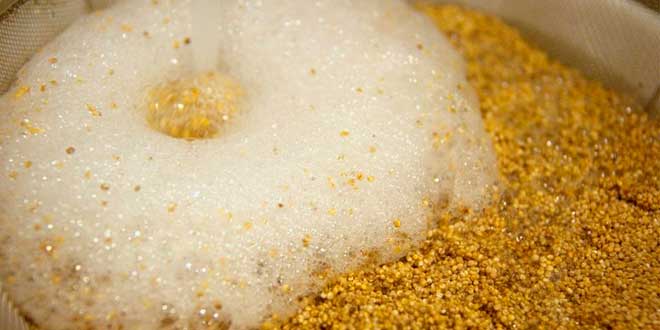
Saponins have properties due to their chemical structure that make them capable of creating a soapy foam when shaken in a solution, forming a kind of “detergent.” This behavior allows them to easily bind at the molecular level with water and other substances, such as cholesterol and fats.
In this way, saponins act like a foaming or emulsifying agent. Their ability to create a bridge between two polar opposite molecules, like water and oil, lets saponins interact with molecules on the surface of cell membranes.
The amphiphilic structure of saponins allows them to associate molecularly with cholesterol molecules located on intestinal cells. Once this bond forms, saponins promote the creation of pores on the cell surface, increasing permeability and stimulating the flow of other substances and nutrients from the bloodstream.
Saponins can help improve our health, and among their properties are:
- Diuretic
- Expectorant
- Anticatarrhal
- Anti-inflammatory
- Antispasmodic
- Aphrodisiac
- Antioxidant
- Cardioprotective
- Hormone level optimizer
- Hepatoprotective
- Adaptogenic
Where Are Saponins Found?

In plants, saponins are especially found in the skins where they form a protective waxy layer. They also play an important role in the plant’s active immune system, acting as a natural antibiotic for them.
Sources of Saponins
- Legumes
- Oats
- Soy
- Potatoes
- Spinach
- Tomatoes
- Red Wine
- Red Onions
- Peppers
- Alfalfa
- Yuca
- Ginseng
- Tribulus Terrestris
- Fenugreek
- Yam
Supplements with Saponins
Tribulus Terrestris
Among supplements, you can find those that provide saponins from natural extracts, like Tribulus Terrestris. A tip when buying a product like this is to check the content and % of saponins.
Avena Sativa
This is an extract derived from oats, used as a natural herbal remedy for various issues like boosting energy levels, mood, endurance, reducing mental fatigue, and increasing sexual desire.
Soy Isoflavones
This plant compound can enhance women’s health, especially during menopause, acting as hormonal support since it has a molecular structure similar to estrogens.
Benefits of Saponins
Lowering Cholesterol
Saponins bind with bile salts and cholesterol in the intestinal tract, acting as a “bile acid sequester.” Bile acids are compounds used to digest fats, made by the liver from cholesterol. Saponins bind cholesterol, forming small micelles that contain bile and pathogens (molecules too large to be absorbed through the intestinal wall), so they pass through the digestive tract and are excreted in feces. Saponins cause a decrease in cholesterol by preventing its reabsorption and increasing its excretion.
Anticancer Properties
Saponins may reduce the risk of cancer. This could be due to their immune system modulating effects that boost the body’s anti-tumor activity. Stimulating bile acid secretion in the intestinal tract and their antioxidant activity may also contribute.
Antioxidant Effect
Antioxidants prevent cell damage by protecting lipids from oxidation by radicals. Saponins prevent cholesterol oxidation in the colon, which can help reduce colon damage and cancer risk. They also prevent DNA and protein degeneration and protect cells from free radical damage.
They also help maintain better skin texture and firmness, allowing you to look much younger despite the passing years. Plus, they strengthen hair and nails.
Immune System Support
Saponins break down and clean material stuck to the colon walls and promote the growth of good bacteria while reducing harmful bacteria. This healthy balance naturally supports a stronger immune system, helping to fight frequent colds and flu, parasites, fungi, bacterial infections, as well as digestive disorders and constipation.
Saponins may also reduce and delay the onset of bone system-related conditions like osteoporosis, where bone density gradually decreases. Symptoms like joint pain or stiffness can be eased. For older people, this is beneficial in preventing fractures from accidents.
Related Posts
- Tribulus Terrestris as a natural anabolic
- What are the foods to gain muscle mass?
- Naturally boost testosterone levels with Testofen
- What do you know about quinoa?
- Oats and the fitness diet
- Benefits of Soy Protein
- What are the properties of Ginseng?
- Lower cholesterol with Fenugreek
- How to reduce Cortisol?