 Fitness, Nutrition, Health and Sports Blog In the HSNstore Blog you will find tips about Fitness, sport in general, nutrition, and health – HSNstore.com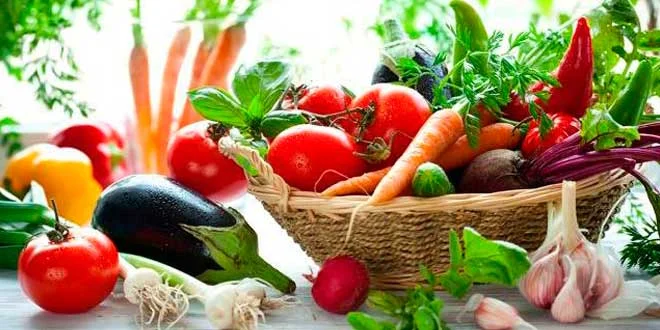

Phytonutrients are chemical substances found in plants with amazing properties
Nowadays, hardly anyone ignores that fruits and veggies are good for health, as they contain lots of vitamins and some minerals and help boost fiber intake. These reasons are enough to encourage us to eat these foods daily.
However, these nutritional contributions seem to be just the tip of the iceberg, since hidden in every fruit, vegetable, green, and legume are other plant food substances, or “phytonutrients,” that give us an extra boost of health and wellness benefits.
What are Phytonutrients?
They are organic components (called Phytochemicals) that are found in plants, giving them a range of protective properties and benefits to maintain and ensure their vitality.
They are present in fruits, vegetables, greens, or legumes
Phytonutrients are found in Plants; in fact, the prefix “Phyto” comes from Greek, meaning Plant
What are Phytonutrients good for?
These chemical substances are responsible for giving plants their color, flavor, protecting them from ultraviolet rays, or helping them withstand harsh conditions and pressures from their environment (insects, fungi, germs, drought, etc.).
They are the natural defense of plants. When people consume these substances, they can gain certain properties that promote health: antioxidant, anti-inflammatory, or liver health-promoting effects.
The benefits of Phytonutrients that plants enjoy can be enjoyed by us too, boosting our health
Importance of Phytonutrients
No one doubts why fruits and vegetables are so essential for optimal nutrition that directly benefits nutrition and even performance, both physically and cognitively.
The nutritional abundance of phytonutrients in micronutrients is very high and very important. Although they are not considered essential elements per se, like vitamins and minerals, they play a key role in health by helping reduce and even eliminate many ailments and diseases.
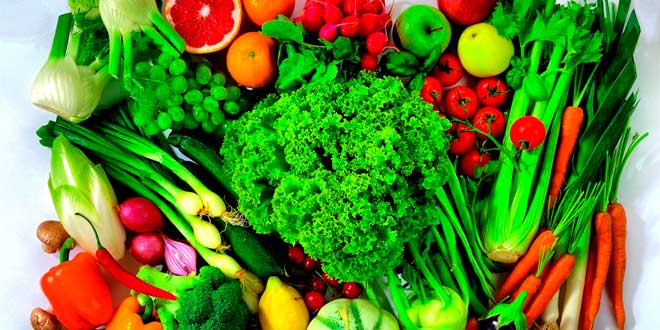
We should aim to get the freshest food sources to ensure their properties stay intact
Antioxidants and Phytonutrients
The role of antioxidants is to neutralize cellular oxidative damage caused by certain unstable molecules, the Free Radicals, which can lead to a series of high-risk disorders and diseases.
Not all of these substances play a harmful role in the body; some are actually necessary.

Although Sunlight is necessary for Vitamin D synthesis Vitamin D, too much exposure can cause serious problems
Benefits of Phytonutrients
Antioxidant Protection
As we’ve seen, one of the most important benefits is their antioxidant power, meaning neutralizing free radicals. This offers protection to the cells forming the body’s tissues, especially protecting the cell membrane and DNA.
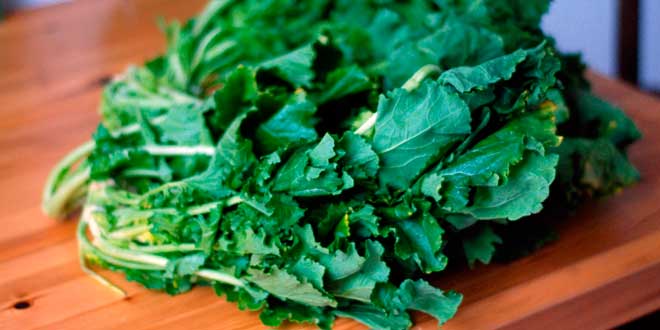
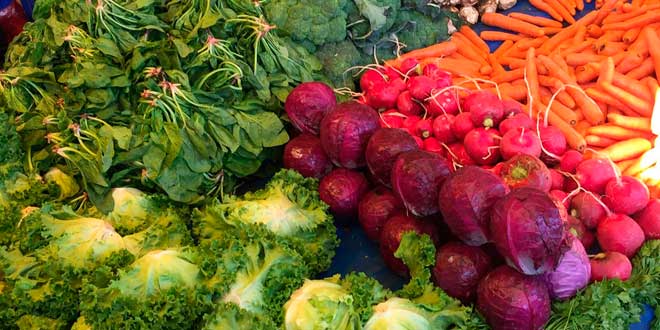
Dark green leafy vegetables have the highest antioxidant levels
Anti-inflammatory Action
Inflammation processes in the body have diverse origins, some necessary as part of normal function. However, keeping this state elevated due to external conditions can become a serious problem. Eating foods rich in these micronutrients can reduce inflammation and associated pain.
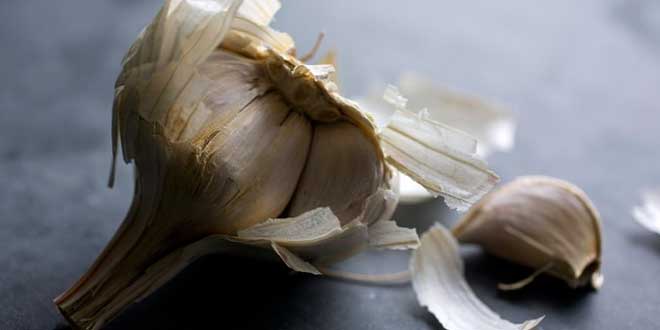
Garlic contains substances that make it a powerful natural anti-inflammatory and even painkiller
Regulate Blood Pressure
Unbalanced blood pressure is directly linked to coronary disease, one of the leading causes of death worldwide. Healthy habits are essential to keep our heart muscle in top shape throughout life. Among phytonutrients’ benefits is controlling hypertension cases.
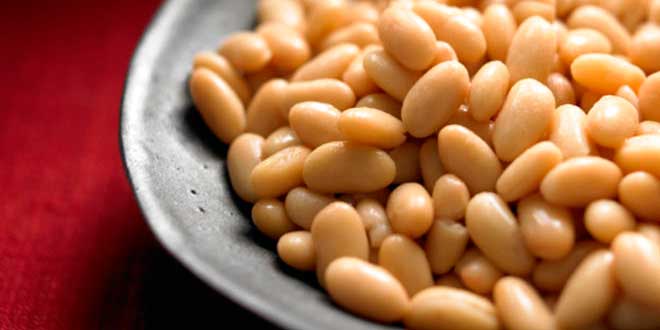
White Beans against hypertension
Lower Cholesterol Levels
Another heart disease cause is hypercholesterolemia and high blood triglycerides, which cause platelet formation and buildup, increase arterial wall stiffness, and raise thrombosis risk. A diet rich in phytonutrient-rich food sources is a step toward cardiovascular health.
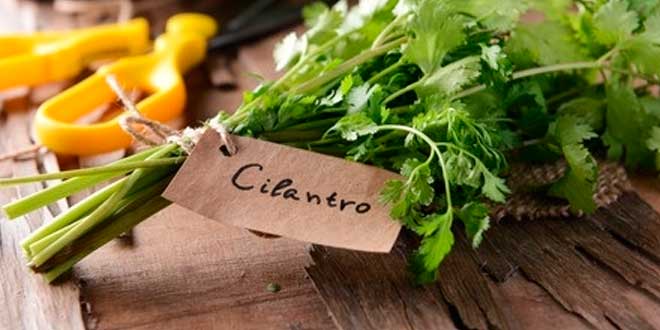
Cilantro, well known for its culinary uses, has beneficial properties to regulate cholesterol
Strengthen the Immune System
Plants benefit from properties to fight external agents like germs, microbes, bacteria, and toxins, which people can also use to their advantage. Our immune system tends to weaken with age. Proper nutrition is key to harnessing these substances’ benefits.
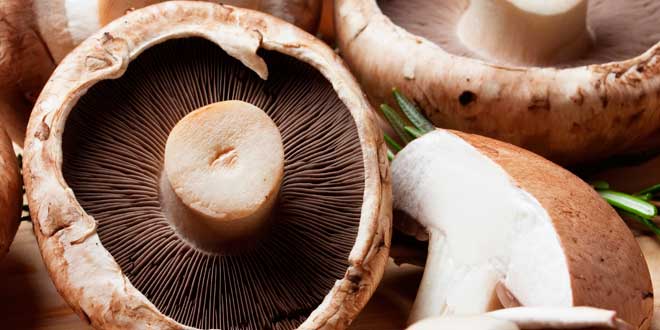
Certain mushroom species help boost defenses
Types of Phytonutrients and Where to Find Them
| Anthocyanins: Antioxidants, control cancer and stimulate the brain. Found in blackberries |
| Ellagic acid: grapes, strawberries, and cherries |
| Phenolic acid: green tea, soy, and garlic |
| Beta-carotenes: carrots and mango |
| Bioflavonoids: the best known are rutin, quercetin, hesperidin, and catechin. Apples, lemons, cherries, grapes, green peppers… |
| Cetylmyristoleate: olive oil, wheat germ oil, soy oil, sesame oil, sunflower oil |
| Capsaicin: hot chili pepper |
| Coumarins: pumpkin |
| Sterols: cucumber |
| Phytates: soy and cereals |
| Cruciferous: cabbage, cauliflower, broccoli, and Brussels sprouts |
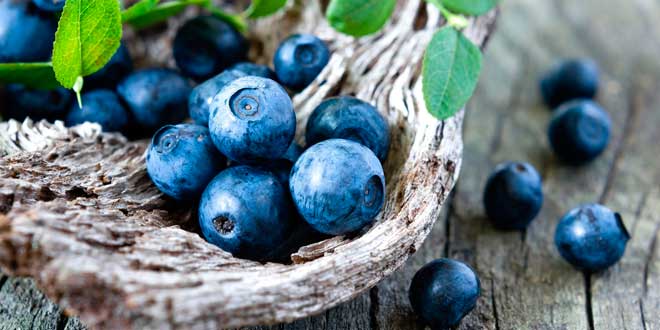
| Flavonoids: grape, dried plum, apple, blueberry, blackberry, and strawberry |
| Lycopene: tomatoes, citrus fruits, apricots, and red peppers |
| Lignan: flax seeds |
| Limonene: citrus oils |
| Monoterpenes: fruit and vegetable oils |
| Organosulfides: garlic, onion, and chives |
| Polyacetylenes: carrots, celery |
| Resveratrol: red wine, peanut skin |
| Sulforaphane: broccoli, cauliflower, or spring onions |
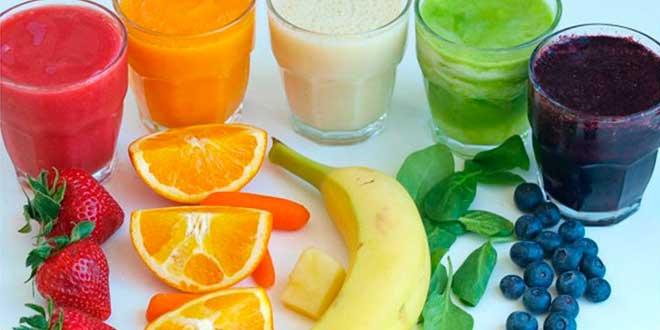
Sometimes called the Rainbow of Phytonutrients, since their sources have characteristic colors
Phytoestrogens
This type of phytonutrient has a molecular structure similar to estrogens, so they can act similarly to the hormone mostly found in women.
At certain stages in a woman’s life, increasing these substances in the diet is recommended due to low endogenous production.
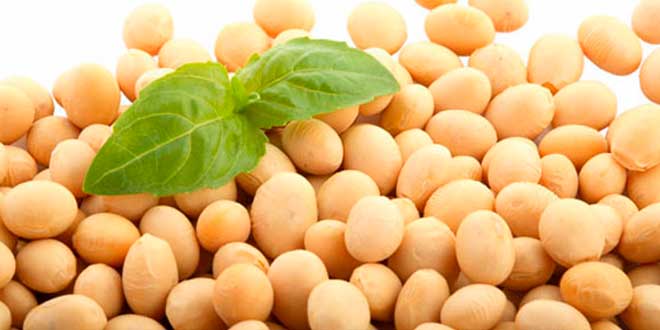
Among the most common phytonutrients are Soy Isoflavones
Phytonutrient-Rich Diet
Here are some simple tips to boost phytonutrient richness in your diet
- Add a portion of fruit or veggies to every meal you have
- Start your day with a smoothiepacked with fruits and veggies. Quick recipe: blend cold water, spinach leaves + arugula leaves + grated ginger + grated lemon peel + juice of 1 lemon + 2 carrots + 1 banana + a handful of frozen blueberries
- Delicious Salads: add any vegetable or green, avocados, sliced apples…
- Increase vegetable purees, oh! and use the cooking water for your homemade broths
- The more colorful your dishes, the better!
- Carry almonds with you, so if you get hungry, you won’t end up buying any ultra-processed product
- Always have tea infusions ready. You can drink them as a refreshing beverage with some ice cubes
- Add all kinds of spices, even spicy ones like chili peppers to your dishes, to enjoy their thermogenic effect besides their properties
- Include more dishes with legumes combined with cereals or rice. Lentils + Rice or Chickpeas + Peas, Quinoa + Peanuts, are great recipes to get complete proteins and all the benefits of phytonutrients
- More fresh market and less supermarket
- Grow your own garden!
Related Posts
- The 9 Healthiest Foods
- Top 10 Best Antioxidants
- Legumes, benefits and tips for consuming them
- How Sulforaphane can improve your wellbeing