 Fitness, Nutrition, Health and Sports Blog In the HSNstore Blog you will find tips about Fitness, sport in general, nutrition, and health – HSNstore.com
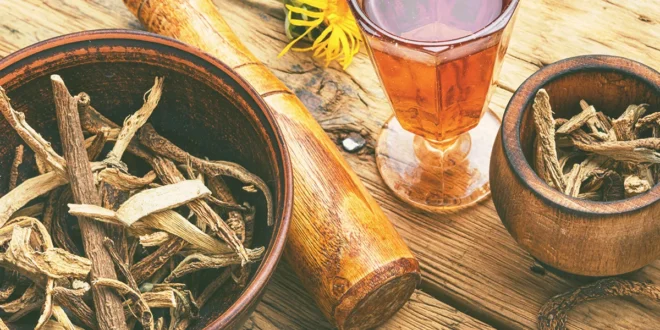

Directly imported from southern Africa, harpagophytum, Devil’s Claw or Claw of the Devil, as this plant is also known, has landed straight into our pantry and/or medicine cabinet. Have you heard about its benefits yet? It’s no surprise, since its popularity keeps growing. The main one: a natural anti-inflammatory agent. Can it get any better?
Triple action that convinces

The Spanish Royal Pharmacopoeia defines harpagophytum root as the “set of tuberous secondary roots once cut and dried from the species Harpagophytum procumbens” and specifies that its minimum harpagoside content must reach 1.2%, always calculated based on dry weight.
What conditions is the Harpagophytum supplement recommended for?
Unlike other supplements, which are recommended to be taken anytime for their revitalizing properties, the harpagophytum is ideal for treating certain ailments.
Take note of the conditions it’s indicated for!
- Muscle-rheumatic pains
- Lumbosciatica
- Tendinitis
- Osteoarthritis
- Arthritis-osteoarthritis
From what’s been said, it’s clear that the benefits of harpagophytum unfold, among others, against the effects caused by degeneration or inflammation of the joints.
The usual thing in these cases is that it’s very well tolerated by the body. Its medicinal properties help, to a greater or lesser extent, to fight the effects of such organic alterations. For this reason, it’s one of the most sought-after plants as a natural anti-inflammatory nowadays.
Devil’s Claw for athletes
And what do the experts say? The German Health Agency has stated that Devil’s Claw has a dual purpose: analgesic and anti-inflammatory for athletes. After all, if you’re used to it, we don’t need to tell you how often joint pain occurs among those who play sports.
As additional info, we want to highlight that these last anatomical elements, that is, muscles, tendons, and ligaments, exert a mechanical traction effect on the synovial capsules of the joints, which can develop inflammation.
What role does harpagophytum play in this situation? It acts as an interesting natural resource to relieve such conditions, aiding recovery during rehab sessions, combined with the relief from its analgesic action, since these tissues are rich in nerve endings and therefore cause quite a bit of pain.

Biochemical basis of its anti-inflammatory activity
Rivers of ink have been spilled regarding the anti-inflammatory property of harpagophytum and the mechanism of action through which it works, with the following two inhibition pathways being the most likely:
- The synthesis of some substances that act as mediators of inflammation. In particular, prostaglandins PGE2 and nitric oxide
- The release of cytokines that stimulate inflammatory reactions, primarily synthesized by lymphocytes and macrophages, two types of white blood cells such as interleukins IL-1, IL-2, IL-6, and IL-8
And what can we say about phenolic compounds and flavonoids? They positively impact the antioxidant activity of specific enzymes, helping to limit the spiral of free radical formation in cell membranes, with the consequent reduction of irreparable cell damage.
And clinical studies conclude…
There are many scientific studies concluding that harpagophytum products are as effective in treating rheumatic disorders as synthetic non-steroidal anti-inflammatory drugs (the popular NSAIDs), such as ibuprofen or naproxen. And without their side effects!
Do you suffer from this kind of pain? Then you’ll be interested to know there’s the interesting possibility of combining both approaches. So, you could take Devil’s Claw as a natural remedy and NSAIDs to optimize effectiveness.
Get the most out of this plant in cases of rheumatoid arthritis, gout pain, or early-stage osteoarthritis, with a preparation containing a minimum of 9 mg of harpagoside, as it’s the element with the greatest anti-inflammatory properties. Extend the harpagophytum treatment between two and three months.
And what about treating osteoarthritis and lower back pain? There are quite a few studies providing info on the efficacy of harpagophytum compared to usual medications for osteoarthritis and lower back pain treatment.
That’s why we’re confident in saying that 60 mg per day of harpagoside for 4 months has the same effect as 12 mg of rofecoxib for lower back pain, while 57 mg of harpagoside would be equivalent to 100 mg per day of diacerein for the same duration treatment of osteoarthritis and knee pain.
We hope the info in this post about the anti-inflammatory properties of harpagophytum helps you decide on a natural treatment that will greatly improve your quality of life. It’s up to you to decide when to start!