 Fitness, Nutrition, Health and Sports Blog In the HSNstore Blog you will find tips about Fitness, sport in general, nutrition, and health – HSNstore.com
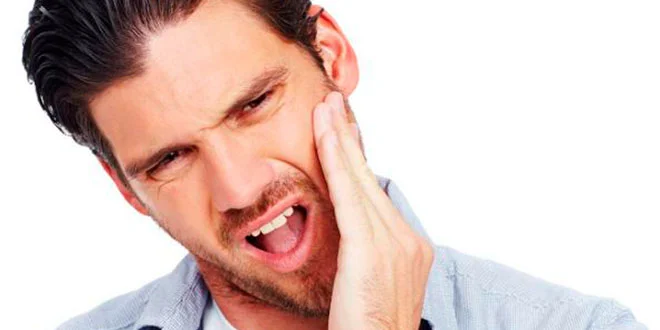

Temporomandibular disorders (TMD) mainly affect people between 20 and 40 years old, with an average age of 34. Overall, around 75% of adults may experience at least one abnormal symptom linked to temporomandibular joint (TMJ) disorders (the usual acronym for this group of conditions).
Main causes of TMD
The set of muscles, teeth, bones, and joints that make up the jaw allow movements in all three planes of space, besides being used for talking, chewing, and swallowing.
It seems one of the main causes is the peak in disc displacement around the third decade of life, and for inflammatory and degenerative joint disorders around 50 years old.
Symptoms
Probably the most common symptom is crepitus, indicative of osteoarthritis. It’s a sustained sound, often described as a gritty noise during mouth opening and/or closing.
There doesn’t have to be pain in the jaw when opening or closing, in which case TMD is linked to joint hypermobility. On the other hand, subluxation and dislocation of the TMJ can cause pain or functional impairment:
- Subluxation = clicking during opening and closing. The condyle shifts, but contact between the two joint surfaces remains. When there’s pain, it often radiates to the ear, same side of the head, or face.
- Dislocation: When it happens, it causes intense pain, limited ROM, and no joint clicking during opening or closing, but functionality decreases over time due to complete separation of joint surfaces. It needs to be put back (reduction) by a doctor.
Treatment
Since the etiology of TMD isn’t fully clear and can even be due to referred pain from other body areas, a wide range of multidisciplinary therapeutic solutions has been proposed.
Among them:
Psychosocial and behavioral interventions
Stress at work and daily life has been proposed as one of the main causes of this disorder, along with other psychosocial factors, including fatigue linked to overtraining.
Cognitive-behavioral therapy has been used as a psychosocial intervention, showing effectiveness in some meta-analyses. Along the same lines, individual or group relaxation techniques (yoga, listening to relaxing music/sounds, deep breathing…) and even hypnosis can help reduce symptoms.
Of course, if the cause is overtraining, the solution is well known: strategic detraining.
Physiotherapy, osteopathy, and other manipulative techniques
There are many different approaches in physiotherapy, but exercises aimed at increasing jaw movement range are commonly involved, and although it’s always advisable to be guided and treated by a professional, a large part of this physical therapy can be done at home.
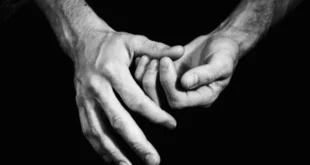
The simplest method is regular stretching within pain tolerance, using thumb and index finger in a scissor-like maneuver. With habit, the possible pain-free ROM will gradually increase.

Trigger points in the main muscles involved in jaw movement can cause someone with TMD to feel sore throat, ear ringing, or a blocked sensation; and can result from overuse due to:

Sometimes, physiotherapy includes the use of transcutaneous electrical nerve stimulation (TENS), which can block pain by stimulating superficial nerve fibers and lead to acute pain reduction, possibly due to endorphin release. However, I think it’s important to warn those who have it at home and are thinking of using it that it shouldn’t be seen as a standalone method, but complementary to physical therapy. Of course, always better under professional supervision.
To wrap up this section, there’s a treatment whose evidence lags behind physiotherapy but could improve symptoms linked to TMD.
Occlusal adjustment devices
mouthguards, unloading devices or splints, and occlusal adjustment pieces have been used to treat teeth grinding and clenching, as well as TMJ disorders. It’s believed these aids redistribute forces evenly across dental arches and/or achieve a more favorable condyle position in the fossa, aiming to reduce tooth wear, bruxism, and TMD.
Well, that’s what’s believed and what those who prescribe them as treatment rely on. However, it’s worth noting this topic is controversial since, according to the latest meta-analyses (see sources), they’re not linked to significant improvement compared to passive methods, and many cases report worse subjective pain sensation when used.
Other factors
Lack of sleep, poor dietary habits, nutritional deficiencies, or eating hard foods also affect the jaw and its disorders.
Conclusions
Knowing the symptoms and signs of TMD is vital for correct diagnosis and to steer treatment in the right direction without confusing it with more common conditions like neck pain.
Physiotherapy, mainly with active methods to increase ROM and manage trigger points, is the most effective method alongside global relaxation techniques. All this can be a consequence (and cause) of biomechanical alterations in the overall posture of our body.

References:
- Manfredini, D., Guarda-Nardini, L., Winocur, E., Piccotti, F., Ahlberg, J., & Lobbezoo, F. (2011). Research diagnostic criteria for temporomandibular disorders: a systematic review of axis I epidemiologic findings. Oral Surgery, Oral Medicine, Oral Pathology, Oral Radiology, and Endodontology, 112(4), 453-462.
- Milam, S. B., & Schmitz, J. P. (1995). Molecular biology of temporomandibular joint disorders: proposed mechanisms of disease. Journal of oral and maxillofacial surgery, 53(12), 1448-1454.
- Orlando, B., Manfredini, D., Salvetti, G., & Bosco, M. (2007). Evaluation of the effectiveness of biobehavioral therapy in the treatment of temporomandibular disorders: a literature review. Behavioral Medicine, 33(3), 101-118.
- Ricard, F. (2005). Tratado de osteopatía craneal, Articulación temporomandibular: análisis y tratamiento ortodóntico. Ed. Médica Panamericana. Madrid.
- Tanaka, E., Detamore, M. S., & Mercuri, L. G. (2008). Degenerative disorders of the temporomandibular joint: etiology, diagnosis, and treatment. Journal of dental research, 87(4), 296-307.
Related links:
- Do your joints crack? Find out why in the post we prepared
- Loose joints
- Tips to avoid injuries in your daily life