 Fitness, Nutrition, Health and Sports Blog In the HSNstore Blog you will find tips about Fitness, sport in general, nutrition, and health – HSNstore.com
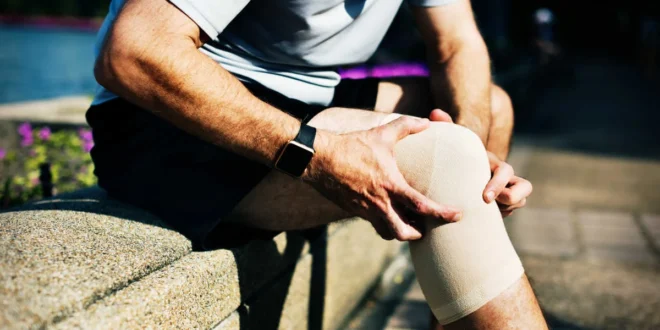

If there’s a powerful natural painkiller, it’s glucosamine. A perfect alternative to traditional meds when dealing with osteoarthritis. If you’re suffering from the painful effects of this condition, reading this post could be the turning point that improves your quality of life.
When does osteoarthritis occur?

Osteoarthritis happens when the cartilage in the joint gets damaged. Once the cartilage, that kind of “shock absorber” between joints, wears down, one bone starts rubbing against another. The result? Pain, inflammation, and limited movement. That’s when glucosamine steps in.
Why doesn’t traditional medicine work for its treatment?
Let’s break it down. At first, traditional medicine barely had a handful of drugs to treat osteoarthritis.
Later on, NSAIDs or AINEs came along, the famous non-steroidal anti-inflammatory drugs. These new players quickly gained popularity. Who hasn’t heard of aspirin or ibuprofen? Along with them, others like sodium naproxen.
Where’s the root of the problem? Here’s a quick summary!
- Although these drugs seem to work well for osteoarthritis pain at first, they come with some serious side effects if taken longer than necessary
- Among these side effects are stomach bleeding, lower digestive tract collapse, and liver failure
- Back then, medical staff didn’t realize that giving these NSAIDs or AINEs could actually worsen osteoarthritis. They acted as the first generation of COX-2 drugs, blocking the COX-1 enzyme
- That’s partly why this painkiller was used to block pain receptors like COX-1. Unfortunately, the molecule turned out to be non-specific
- On top of that, their harmful effects also hit other parts of the body, causing blood clotting or digestion problems. This explains why people who take aspirin, ibuprofen, or naproxen daily tend to have more stomach issues or bruises, due to blood thinning, as the body ends up being attacked in those areas too.
The second generation of drugs didn’t work either
Later, COX-2 inhibitors appeared, supposedly “more selective” meds. Generally, these required a prescription and cost way more than over-the-counter NSAIDs. Brands like Vioxx and Celebrex quickly became household names, topping the charts as the most prescribed osteoarthritis meds.
So what happened from then until now? Their meteoric rise was short-lived, and today, the scientific community highlights the potentially dangerous side effects of COX-2 inhibitors and their high price.
What does this mean? The pain never really went away, it was just “disguised.” So, stopping the treatment quickly brings back the original situation, with pain and discomfort that make a decent quality of life impossible.
The result? For over 20 years now, in the US and much of Europe (Italy, Germany, and Portugal), research continues on glucosamine as the best natural alternative to fight osteoarthritis.

Glucosamine for regeneration
It’s a proven fact that glucosamine helps regenerate cartilage tissue, tendons, and other connective tissues in your body and works as a team, building these “materials” while also blocking the enzymes that break down cartilage.
An active fight that’s perfect against a widespread problem worldwide: osteoarthritis. After all, this degenerative disease affects millions of people across the globe and its main feature is the “crash” collapse of joints, mainly hips or knees, because they bear the body’s weight.
How does this natural painkiller work?
Well, as we just said, naturally. Its perks: it prevents cartilage tissue destruction, soothes joint discomfort, reduces swelling, and slows down mobility loss. That means a real boost in quality of life and health that more and more people are lucky to experience every day.
Despite its benefits, glucosamine can’t cure your osteoarthritis but it can significantly ease your pain. How? From the outside, by hydrating and protecting your joints with warmth and healing them, instead of just masking the pain like NSAIDs and COX-2 drugs do. So, glucosamine’s effects are slower but way more positive and effective than those drugs.
Finally, it’s worth noting that besides relieving discomfort, this supplement protects joints from further damage, preventing future injuries. Did you know a high percentage of NSAID meds actually damage joints and worsen osteoarthritis due to joint degeneration? Just the opposite of what glucosamine does, acting as a “guardian” and protector.
A final recommendation
Need quick pain relief? Take glucosamine, alone or combined with traditional NSAIDs (aspirin or ibuprofen, among others), to calm it temporarily. Doing this gives you an extra benefit: taking glucosamine not only reduces your discomfort but strengthens cartilage. Just remember not to exceed 1000 mg of glucosamine daily.
Also, many people have experienced the benefits of chondroitin and MSM for arthritis discomfort.