Fitness, Nutrition, Health and Sports Blog In the HSNstore Blog you will find tips about Fitness, sport in general, nutrition, and health – HSNstore.com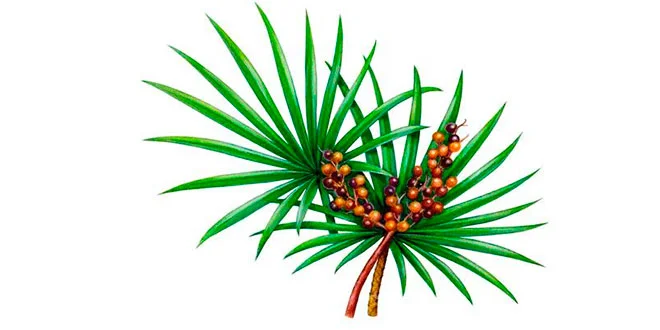

Campesterol is a type of phytochemical that offers a variety of benefits for arthritis, cardiovascular diseases, and prostate enlargement.
Campesterols chemically resemble cholesterol and are found in many fruits and veggies, like bananas, peppers, and potatoes. Because of their structural similarity, campesterols seem to be able to block the absorption of “bad” LDL cholesterol and balance blood lipid levels.
What Are Campesterols?
Campesterols are phytosterols, a type of compound present in many fruits and veggies, but usually in very small amounts.
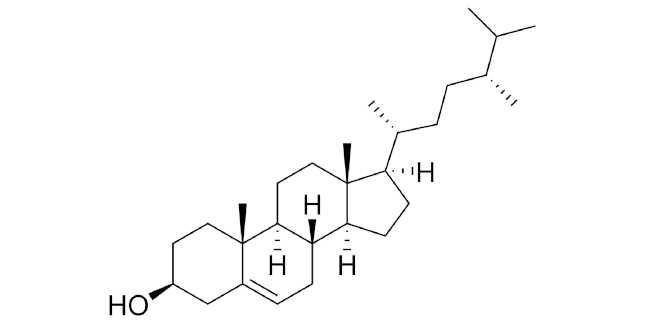
Campesterol was first isolated from rapeseed, or Brassica campestris. Later on, they found these compounds could inhibit several pro-inflammatory compounds involved in arthritis and some matrix-degrading compounds that play a role in cartilage destruction. As such, campesterol is already available as dietary supplements marketed to help with arthritis, cardiovascular diseases, and prostate enlargement.
Campesterol Properties
Anti-inflammatory Uses
Campesterols are used to treat prostate growth and inflammation, also known as benign prostatic hyperplasia.
Campesterols are also marketed for people with osteoarthritis, which is characterized by cartilage breakdown, mild inflammation, and joint pain. Campesterol might also help with other inflammatory conditions like fibromyalgia, sinusitis, and allergies, although scientific research still needs to back up these claims.
Cholesterol Control
Besides the anti-inflammatory properties, campesterol was found to have an affinity for LDL cholesterol and can reduce its serum levels by up to 10%. As a result, campesterol might have some value in lowering the risk of cardiovascular diseases like heart failure, arteriosclerosis, and stroke. However, plant sterols affect people differently, and more studies are needed before making solid recommendations about beneficial campesterol doses.
Sources of Campesterol
Many veggies, fruits, and seeds contain campesterol, but usually in low concentrations.
Like with most nutrients, campesterol levels depend on where the foods are grown and the soil quality. Geneticists are researching ways to boost campesterol content in some plants. Most campesterol supplements are extracted from American dwarf palm berries.
Related Content:
- Get to Know Açai Berry
- Foods with anti-inflammatory properties here
- Benefits of Red Yeast Rice
- All about Serenoa repens (Saw Palmetto).