 Fitness, Nutrition, Health and Sports Blog In the HSNstore Blog you will find tips about Fitness, sport in general, nutrition, and health – HSNstore.com

Orthorexia is a disorder linked to becoming obsessed with healthy living
Exercise and proper nutrition are key factors to keep a good level of health.
What is Orthorexia?
Orthorexia is a condition related to extreme eating disorders, where the person behaves compulsively and puts something that isn’t unhealthy into an unhealthy scenario.

Orthorexia is also linked to signs and symptoms of anxiety and depression disorders that often occur alongside anorexia nervosa or other eating disorders
Orthorexia Nervosa
A person with orthorexia nervosa starts their “obsession” with eating healthy foods, making it their main fixation and goal, pushing aside other important parts of life: thinking about what to eat replaces relationships, friendships, career goals, leisure time…
In extreme cases, the obsession with restricting the diet can lead to dangerous malnutrition, a truly ironic consequence of what started as a quest for better health.
- Excessive exercise
- Obsession with weight
- Bulimia
- Anorexia
Causes of Orthorexia
Nowadays we live in the age of technology, with its pros and cons, especially regarding social recognition
This can be one of the main causes. Something that starts off insignificant can snowball and lead to the development of compulsive disorders.
However, there can also be other factors pushing someone to maintain this extreme behavior, like emotional refuge, desire to keep an ideal weight, obsession with control…
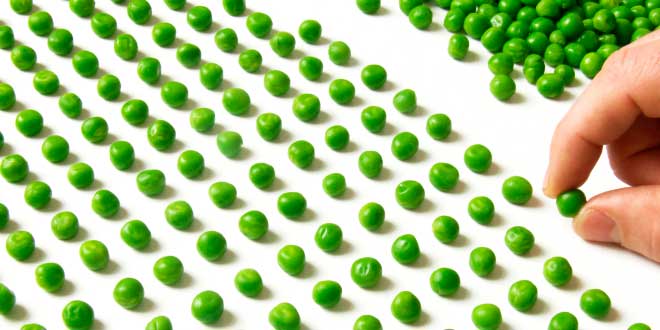
In most cases, there’s always a compatibility with obsessive-compulsive disorder behind the person…
Habits of People with Orthorexia
A characteristic trait of people suffering from orthorexia is their fixation on eating only foods considered healthy, avoiding other food groups that, in their view, don’t fit a healthy lifestyle.
They also tend to show a certain “discrimination” against people who don’t share their “habits”.
The risks for someone maintaining these behaviors can range from injuries, anxiety, depression, to isolation
Symptoms and Signs of Orthorexia
Taking all these behaviors to the extreme can cause:
- Extreme weight loss
- Gaunt appearance
- Paleness, skin texture changes
- Lack of essential micronutrients, with the corresponding weakened immune system, among other consequences
- Cardiovascular risk
Orthorexia Diet
A person who could be considered to have orthorexia would be someone who follows dietary patterns or a diet reflecting behaviors such as:
- Only eats “healthy” foods
- Thinks that because of this diet, they are superior to others who don’t follow these habits
- Has little variety in food sources, even suppressing essential macronutrients like fats
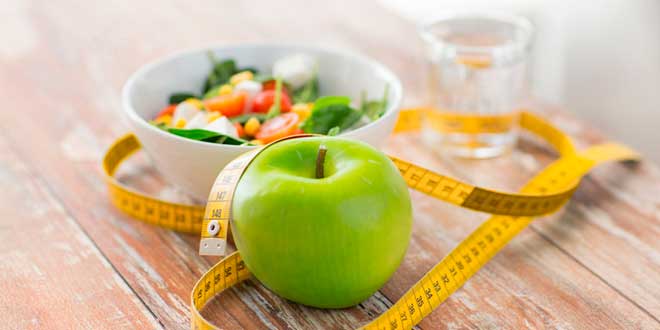
Foods are “inspected” down to the last detail…
Effects of Orthorexia
Among the possible effects on the body and health from maintaining these habits without proper diagnosis and treatment, more serious behaviors like anorexia and bulimia can develop, as well as:
- Anxiety
- Stress
- Nutritional deficiencies
- Weakened immune system
- Kidney and cardiovascular problems
- Weight loss
- Cognitive problems
- Loss of bone mineral density and osteoporosis
- Infertility
- Low self-esteem
Anorexia and Orthorexia
How are they similar?
Both are treated as eating disorders and can pose serious health risks. They start with small isolated episodes, then take over practically all aspects of the patient’s life.
- Their usual thoughts revolve around food intake
- Using undiagnosed food allergies as justification to avoid eating
- Obsessive-compulsive personality disorder (OCPD)
- Social isolation
How are they different?
The obsession with weight is one of the main signs of anorexia, bulimia, or other eating disorders, but it’s not a symptom of orthorexia.

This is closely related to the desire or need for strictly healthy foods
Vigorexia and Orthorexia
Another common denominator for people with these behaviors is the strong desire to maintain an aesthetic appearance according to their wishes
In this sense, just like with food, maintaining an obsessive sports behavior becomes the exact opposite of what you’d expect from practicing sports and everything related to health.

We’re talking about people with vigorexia or exercise addiction
Someone who shows strange behavior by doing an excessive amount of exercise, without being involved in any sports plan for an event, and just because they think it’s necessary, and sometimes still think it’s not, could be showing a symptom of orthorexia.
Similarly, other signs of this condition would be:
- Continuing to exercise despite being injured
- Avoiding any social contact to not miss training
- Training multiple times a day
How to Treat Orthorexia?
Since this illness is a compulsive disorder, and in very severe cases, the best advice is to see a mental health specialist
If you notice these symptoms in people around you, the steps to take could be to start a conversation and make them aware of the situation and possible health risks.
Help mechanisms would include:
- Stopping physical exercise for long enough so the person can recover their capacities.
- Working with training professionals who can advise and plan workouts aligned with their goals and especially considering their condition
- Consulting nutrition professionals to incorporate recommended dietary guidelines under medical prescription, not just the patient’s subjective view
Sports and Restrictive Diets
Diets or nutrition can become a problem when multiple sources of information clash, especially when they don’t share any similarities
There are diets that advocate practically eliminating an entire macronutrient group, like the well-known “Atkins,” which cuts out carbohydrates.
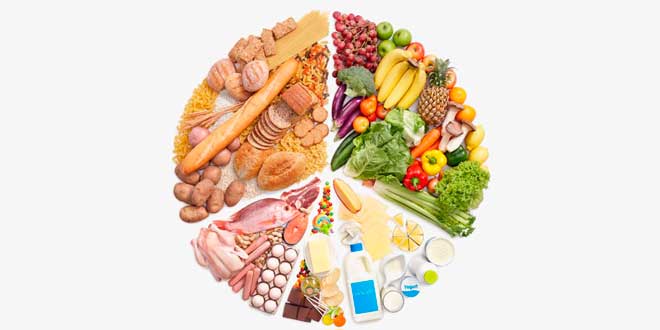
Others are considered less strict than this one, like “low-carb” diets
Athletes
It’s true that healthy athletes who have planned ahead and understand the basics of this type of diet and the goal to achieve, practicing this eating behavior occasionally is beneficial for that goal.
But they know perfectly well that it will be brief, never to be maintained long-term
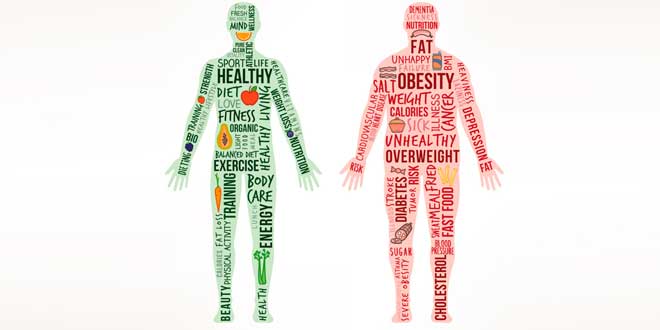
In other cases, for an athlete who just wants to establish healthy habits combining sport and nutrition, in my opinion, this wouldn’t be the way to go.
- Irritability, bad mood, and depression
- Increased excessive interest in knowing the nutritional info of any food
- Risk of developing certain diseases, like anorexia
- Big food binges
Related Posts
- Why Healthy Habits Are Needed from Childhood
- 10 Steps to Start Living Healthily
- Train Smart!