 Fitness, Nutrition, Health and Sports Blog In the HSNstore Blog you will find tips about Fitness, sport in general, nutrition, and health – HSNstore.com
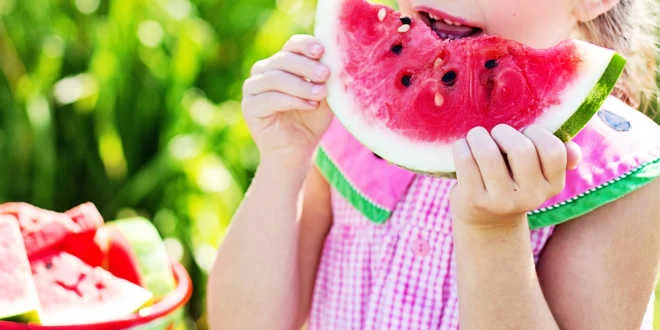

Water is the main chemical component of your body and makes up about 60% of your body weight. Every system in your body depends on water. It regulates body temperature, flushes out toxins, transports nutrients and oxygen to cells, and provides a moist environment for body tissues and joints.
Proper hydration and electrolyte balance are essential for all body systems to function. Water provides the medium for biochemical reactions within cell tissues and is crucial to maintain adequate blood volume and cardiovascular system integrity.
dehydration can reduce blood volume, lowering the body’s ability to transfer heat and forcing the heart to beat faster. During exercise, especially in hot environments, people can sweat up to 2,5 liters of water per hour.During exercise, body temperature rises and you sweat. Your body loses water and electrolytes.

People might not feel thirsty until they’ve lost about 1,3Kg of body weight/water.
Almost all foods contain some water:
- Natural, whole foods have higher water content.
- Fruits and vegetables contain between 80 and 98% water.
- Eating dense veggies like cucumbers, tomatoes, beets, carrots, or celery with a meal or snack is one of the easiest ways to boost hydration.
Foods with high water content
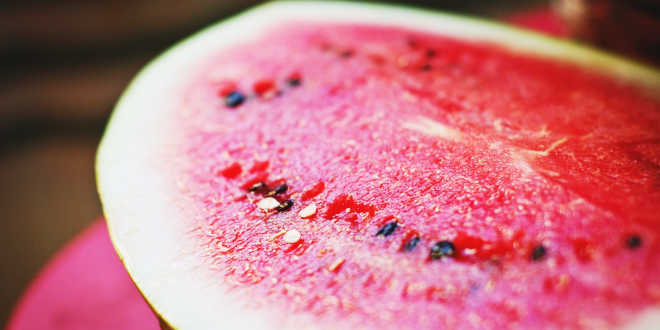
Watermelon
Watermelon contains 92% water, 8% natural sugar, and essential electrolytes like calcium, magnesium, potassium, and sodium. Watermelon is rich in vitamin C, beta-carotene, and lycopene, which give your body protection against UV rays.
Grapefruit
Grapefruit has only 30 calories and is made up of 90% water. The phytonutrients called limonoids found in grapefruit can help with body detoxification and may inhibit the formation of cancerous tumors.
Avocado
Cucumber
Cucumbers have a water content of 96% and a good balance of electrolytes like calcium, magnesium, potassium, and sodium. The mineral, silicon, is also found in cucumber and is essential for keeping muscles, tendons, ligaments, cartilage, and bones healthy.
Strawberries
Strawberries have 23 calories and are about 92% water. Strawberries rank as the fruit richest in antioxidants. The polyphenols in strawberries help regulate blood sugar response.
Broccoli
broccoli belongs to the cruciferous vegetable family. It contains 90% water and has compounds that are anti-inflammatory and also help protect DNA thanks to its antioxidant capacity, aiding detoxification of the many potential toxins we face daily.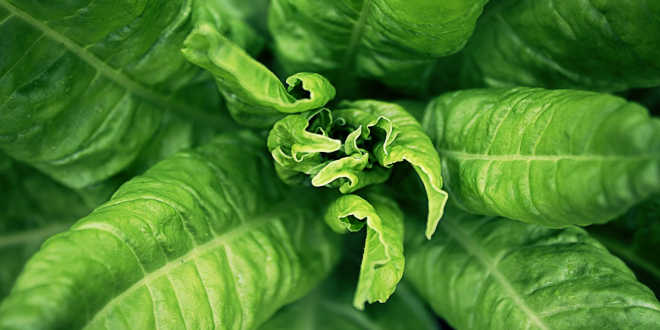
Swiss chard
Swiss chard is one of the veggies highest in folates and also beta-carotenes. 97% of swiss chard’s weight is water. It has a high presence of vitamins, minerals like magnesium, potassium, and iodine, and also fiber.
Lettuce
These compounds have antioxidant properties. Fresh leaves contain good amounts of folates and vitamin C. They also have good amounts of minerals like iron, calcium, magnesium, potassium, all essential for body metabolism.
Related Links on This Topic:
- Lychee, all its benefits
- Discover the benefits of African Mango fruit. Read the post in full.
- Hydration in long-distance runners