Fitness, Nutrition, Health and Sports Blog In the HSNstore Blog you will find tips about Fitness, sport in general, nutrition, and health – HSNstore.com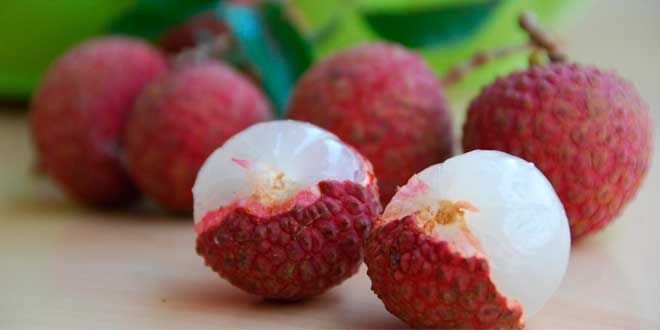

What is Lychee?
Lychee (Litchi chinensis), also spelled Lichi, is a small fruit native to southern China, Taiwan, and Southeast Asia. Nowadays, it’s widely grown in tropical countries around the world, including India. The lychee fruit is packed with vitamins and minerals that promote healthy eating, it’s a citrus fruit but with a sweet and delicious flavor and has been joyfully enjoyed by natives of Southeast Asia for centuries.
Lychee, translated from Chinese, means “gift of a joyful life” and it definitely lives up to its name.
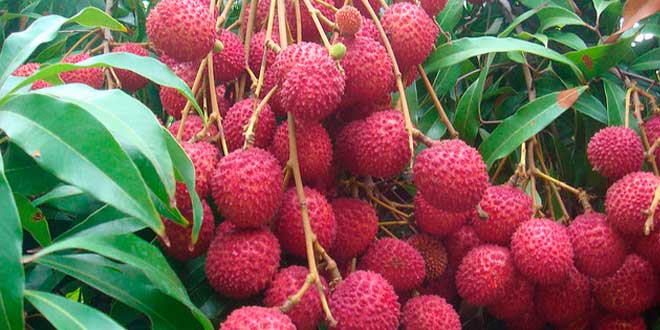
The tree grows up to 40-50 feet tall. The lychee fruit has a soft, translucent jelly-like pulp with a slightly sweet taste. The fruit is covered by a thin, rough pink to dark red skin that peels off easily. It contains a single dark brown seed with a smooth skin.
How to eat Lychee?
Lychee is a very juicy, succulent, and super versatile fruit. Here are some ways you can enjoy it:
- Added to salads,
- As a dressing or topping for ice cream.
- Lychee juice is a very refreshing drink.
- It can also be used to make jams, ice creams, sauces, or jellies

Lychee Properties
Lychee Nutritional Information per 100 g
| Value | RDA* | |
| Calories | 66kcals | |
| Proteins | 0,83g | |
| Carbohydrates | 17g | |
| of which sugars | 15g | |
| Fats | 0,44g | |
| of which saturated | 0g | |
| Fiber | 1,3g | |
| Cholesterol | 0mg | |
| Potassium | 171mg | 8,5% |
| Vitamins | ||
| Folate | 14mcg | 7% |
| Pyridoxine | 0,1mg | 7% |
| Riboflavin | 0,065mg | 4,6% |
| Thiamine | 0,011mg | 1% |
| Vitamin C | 71,5mg | 89% |
| Choline | 7,1mg | |
| Minerals | ||
| Calcium | 5mg | 0,6% |
| Copper | 0,148mg | 14,8% |
| Magnesium | 10mg | 3% |
| Iron | 0,31mg | 2,2% |
| Manganese | 0,055mg | 2,75% |
| Phosphorus | 31mg | 4,4% |
| Selenium | 0,6mcg | 1% |
| Zinc | 0,07mg | 0,7% |
Source: NutritionData.com. *Recommended daily allowance established by Regulation 2008/100/EC October 28, 2008.
Health Benefits of Lychee
Oligonol to improve circulation
Lychee contains a substance called Oligonol, a highly bioavailable source of polyphenols, which acts on peripheral circulation. This way, Oligonol can work as a vasodilator, potentially treating various symptoms like poor blood flow in extremities, causing cold hands and feet.
As we age, it’s important to keep healthy habits and support better blood circulation, protect against cellular oxidation, and minimize inflammation. Better blood flow means oxygen and nutrients get transported more efficiently to all cells, affecting skin, energy levels, and even the heart.
Oligonol Benefits
- Anti-aging effect
- Anti-inflammatory
- Improves skin appearance, reducing wrinkles and spots
- May boost endurance and reduce fatigue
- Supports cardiovascular health

Antioxidant power
Lychee is rich in polyphenols, also known as phenolic compounds, which act as antioxidants. Lychee has the second highest concentration of polyphenols of any tested fruit, second only to strawberries.
These phenolic compounds from sources like lychee have the following properties:
- Antioxidant
- Anti-inflammatory
- Antibacterial
- Anti-allergic
- Antithrombotic
- Vasodilator
- Neuroprotective
Cellular oxidation is a harmful process caused by free radicals. These have an electrical imbalance, so they tend to grab electrons from other (healthy) cells, creating a chain reaction that can spread to many tissues. This oxidation mainly attacks the cell membrane, reducing its ability to absorb nutrients.
Lychee contains quercetin, a powerful antioxidant with properties to reduce inflammation, fight stress, support cardiovascular health, and even has an antihistamine effect.
Thanks to its properties, lychee has great potential to help counteract aging effects, prevent cancer and diabetes, and fight heart diseases
Excellent source of Vitamin C
Litchi, like citrus fruits, is an excellent source of vitamin C. 100 g of fresh fruit provides almost 100% of the RDA. Vitamin C has many roles in the body, including its essential function as a cofactor in enzymatic reactions.
It’s linked to collagen production, a type of protein abundantly present in tissues: skin, bones, teeth, blood vessels, eyes, heart… basically, all parts of the body. That’s why vitamin C is key for healing, repair, and maintaining the health of many systems in our body. It’s also considered a powerful antioxidant and is involved in neurotransmitter synthesis processes, like serotonin.
Vitamin C can help prevent, ease symptoms, or shorten recovery times for various conditions, like the common cold.

Source of B Vitamins and Minerals
It’s a very good source of B-complex vitamins like thiamine, niacin, and folate. These vitamins are essential as cofactors helping the body metabolize carbohydrates, proteins, and fats. They’re also important for red blood cell health and platelet maintenance.
Litchi is also a source of magnesium and phosphorus, supporting the bone system. It contains potassium and copper. Potassium is an important cell component and helps balance body fluids. It’s also an electrolyte that aids muscle contraction; plus, it helps control heart rate and blood pressure, offering protection against heart disease, stroke, and coronary issues. Copper is necessary for producing red blood cells.
Related Posts
- Why are antioxidants so important?
- The color of fruits and vegetables
- The best fruits to stay hydrated
- What is Pycnogenol and what are its benefits?