 Fitness, Nutrition, Health and Sports Blog In the HSNstore Blog you will find tips about Fitness, sport in general, nutrition, and health – HSNstore.com

The benefits of physical activity are well documented in scientific literature. Scientific evidence supports the idea that physical exercise can have positive effects on brain function and health
Brain Activity and Learning
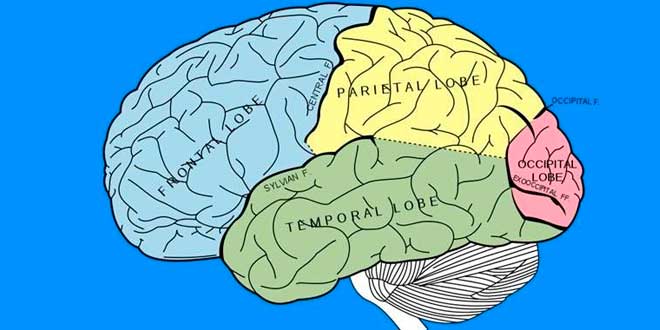
One explanation for this effect lies in the impact on brain activity. Studies found specific patterns of brain activity associated with exercise. The affected brain area was the prefrontal cortex, located in the front part of the brain. This area is involved in problem-solving and complex thinking, which may explain how physical exercise affects learning ability.
During a study by researchers at the Medical College of Georgia, they observed the effects of aerobic exercise on cognitive function in overweight and sedentary children. After 15 weeks of regular exercise, exam scores improved significantly in preliminary results.
The test results support the idea that students should have enough time to do sports during school days.
Physical Exercise and Creativity
Another effect of exercise on the brain is the creativity boost. Studies from 2005 found that aerobic exercise increased the creativity potential of students engaging in moderate-intensity activities. The effects also lasted for two hours after exercise, adding that physical activity provides health benefits.
This study also found similar health benefits in college-age students, supporting the argument that physical exercise can benefit brain function regardless of age.
Physical Exercise and Stress
Another benefit of physical exercise is its effects on stress control. When you’re stressed, it can be hard to focus on what you’re doing. Exercise can help relieve stress, which can improve your ability to perform better. Increased circulation and exercise provide distraction, so it might be the key to improving concentration.
Studies on the Benefits of Physical Exercise for Memory
Until recently, it was believed that age-related cognitive and brain changes were completely unavoidable. This view has changed with various scientific studies showing that older brains can exhibit positive changes in response to exercise, diet, and social and environmental stimuli. Cognitively, better performance has been demonstrated in tests requiring simple arithmetic problem-solving, immediate memory use, or reaction time.

Over time, people experience biomedical and psychological decline, cognitive or affective in nature, as Arthur Kramer stated: “Neuronal connection patterns decrease as we age.”
Study 1
A study published by Scott Small and Ana Pereira from Columbia University in the journal “Proceedings of the National Academy of Sciences” confirmed that exercise stimulates the birth of new neurons in the hippocampus, a brain area related to memory and learning. When you run, more oxygen reaches the brain, new blood vessels form, and levels of serotonin, neuronal growth factors, and a protein called BDNF that directs neuronal development in the hippocampus increase.
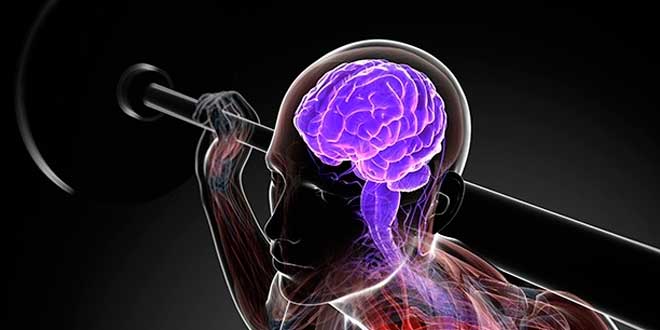
According to the study authors, these new neurons can migrate to other brain areas, and there is evidence they play a key role in memory and learning processes…
Study 2
A study published in the journal Neurology, conducted by Kirk I. Erickson (researcher at the University of Pittsburgh), found that brain gray matter does not shrink when a certain amount of exercise is done. Although observational, researchers concluded that the more you walk, the more gray matter you will have after a decade or more, in brain regions essential for knowledge.

They also highlighted that the relationship between walking and gray matter volume seems to occur only in people who regularly walk relatively long distances, equivalent to 9.6 km to 14.5 km per week.
Study 3
Another major study on this topic was conducted by Arthur Kramer from the Beckman Institute and the University of Illinois (USA) in 2011, as it used brain imaging tests. Published in Frontiers in Aging Neuroscience, it involved 70 sedentary adults aged 60 to 80, with one group doing stretching and weight exercises compared to a control group.

The aerobic exercise group also improved in memory, attention, and a range of cognitive processes
Study 4
Another important study by Kramer showed not only that physical exercise helps maintain memory in older adults but also that doing sports increases brain volume in areas related to cognitive function. Scientific data indicate that hippocampal deterioration, the brain structure involved in forming all types of memory, decreases by 2.1% annually in older adults without dementia, increasing the risk of cognitive decline.
Strategies to combat hippocampal deterioration and thus memory loss have become a priority in recent years from scientific and public health perspectives. Physical activity, like aerobic exercise, has become a promising low-cost treatment that improves neurocognitive function and is accessible to all older adults without specific contraindications, the authors highlighted in their study published in ‘Proceedings of the National Academy of Sciences’ (PNAS)
The study involved 120 sedentary people over 55 years old. Some walked three times a week for 40 minutes, another group did toning exercises, and a third served as a control group.
Before and after the intervention, all underwent magnetic resonance imaging to confirm that those who exercised “experienced an increase in left and right hippocampal volume of 2.12% and 1.97%, respectively during the first year of training, while the control group showed a decrease in this brain area of between 1.40% and 1.43% over the same period.”
Additionally, spatial memory tests showed that those who exercised also improved memory function, a benefit linked to the hippocampus size increase.
Exercise also significantly raised blood levels of a molecule known as brain-derived neurotrophic factor (BDNF), part of a protein family that supports neuron function and makes them more resistant to neuronal degeneration.
Conclusions from Studies on Physical Exercise and Memory
As Kramer summarized:
“The hippocampus remains plastic into late adulthood, and moderate exercise is enough to increase its volume. This translates into improved memory function and higher BDNF levels. These results clearly indicate that aerobic exercise is neuroprotective and starting it in adulthood is useful to improve or increase cognition or brain volume.”
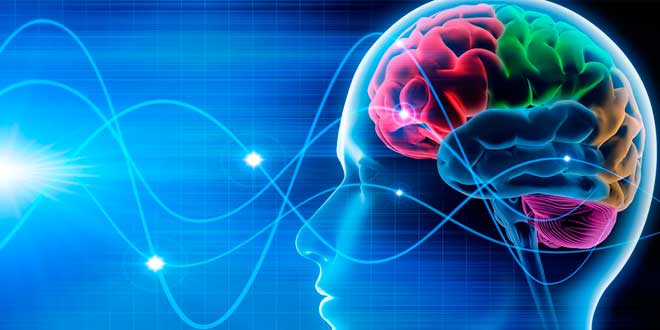
Dr. Lynn Millar, expert at the American College of Sports Medicine, said that although walking may seem simple, the brain is working to integrate information from many different sources:
“When we walk, we integrate visual data, hearing, as well as input from joints and muscles about where the foot is, how much force is needed, and things like that,”
“It’s that old concept: if you don’t use it, you lose it,” she said.
“For something to be beneficial, we have to do it repeatedly, and walking is a repetitive activity,” she added.
Millar noted that although some changes are inevitable with age, they don’t have to happen as fast as they do in some people.
“We know reaction time slows with age, but activity is a great modifier,” Kramer said.
So, exercise is medicine, what are you waiting for to start?
Related Posts
- Top Supplements for Brain Health
- Creatine as Cognitive Support
- What Are Nootropics and Their Effects?
- 10 Foods for Mental Sharpness