Fitness, Nutrition, Health and Sports Blog In the HSNstore Blog you will find tips about Fitness, sport in general, nutrition, and health – HSNstore.com

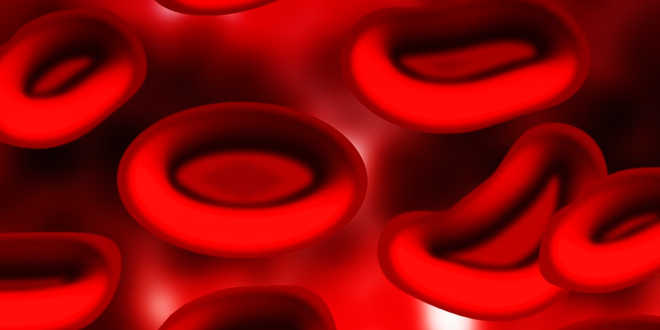
Iron is an essential trace element to form red cells, which are in charge of transporting oxygen to all the cells of the body. Therefore, it is crucial in order to provide energy to the body and mind.
What is iron?
It is an indispensable nutrient for the proper functioning of our organism. Apart from transporting oxygen to the tissues it is also important for the energy metabolism and the activation of group B vitamins.
This mineral is responsible for the red color of those blood cells that distribute the oxygen that we inhale through the lungs. In fact, the liver and spleen contain the reserves of this mineral that the body needs.
The intake of iron helps to prevent or treat anemia; improve the children’s memory during the learning process; strengthen the nails and immune system. That is why it is so important to follow a diet that meets its requirements, ensuring a proper functioning of our organism.
Properties
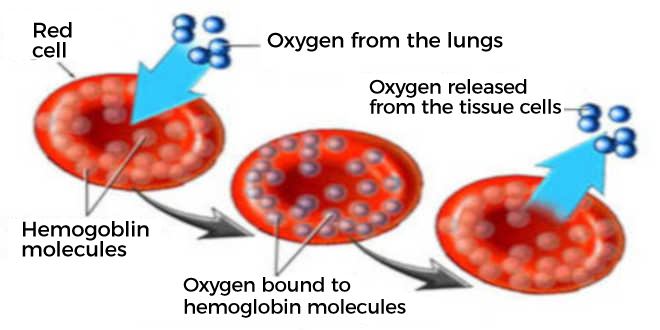
It is necessary to form blood in the blood marrow. Our body absorbs iron so that the red cells can distribute oxygen to the rest of the cells of the body.
Consequently, the oxygen enters the muscles, where our body stores it. In addition, it produces cell energy as well as chemicals which our brain needs.
Essential compounds of iron in the organism:
- Hemoglobin (60-70%)
- Myoglobin (3.5-10%)
- Enzymes (10-11%)
Iron storage and transport proteins:
- Ferritin (5-30%)
- Hemosiderin (0.1%)
- Transferrin (0.1%)
Iron is advised:
- In those cases when we need a higher supply of this mineral. For example, athletes, pregnant or lactating women as well as people during growth phases (puberty). Moreover, those who are going to spend a long period of time in high altitudes should also take iron.
- When we have an insufficient food supply, like vegetarians and vegans
- When we lose blood due to several reasons: surgery, accident, blood donation or menstruation
- For the elderly
Recommended daily amount
Lactating women 6-10mg
Pregnancy 30mg
Children
- 1 to 3 years: 10mg
- 4 to 6 years: 10mg
- 7 to 10 years: 10mg
Men
- 11 to 14 years: 12mg
- 15 to 17 years: 12mg
- More than 18 years: 10mg
Women
- 11 to 14 years: 15mg
- 15 to 17 years: 15mg
- More than 18 years: 15mg
- Post-menopause: 10mg
Benefits for athletes
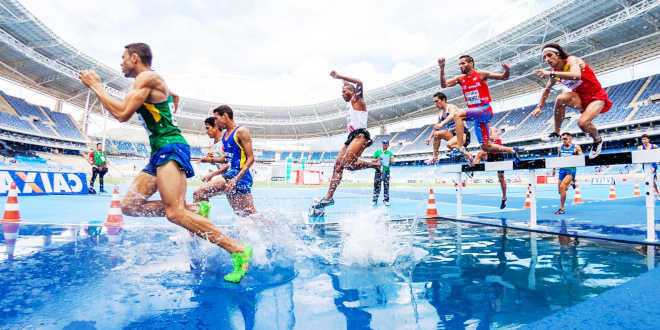
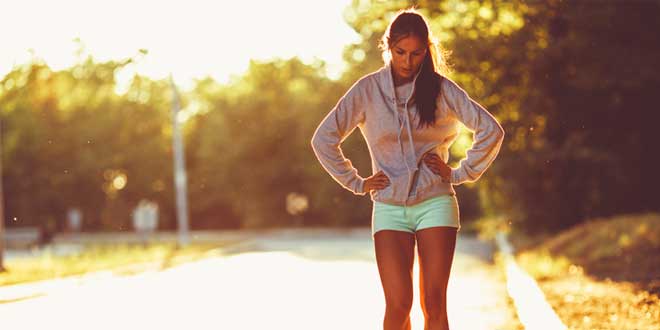
This mineral enables the production of hemoglobin, which is in charge of transporting oxygen from the lungs to the muscles. Keeping a high hemoglobin level in the body ensures the proper oxygenation of muscles and tissues. Consequently, it enhances the performance and the aerobic capacity while preventing the fatigue.
The athletic performance can significantly drop due to a lack of iron, even if the hemoglobin values are lower.
Some foods rich in this mineral have also other important nutrients for those who want to gain muscle mass. For instance, spinach, liver and beef in general
Apart from being a good source of said mineral, spinach has a high glutamine, one of the most important amino acids for muscle growth. Therefore, this vegetable does not only improve the resistance and strength, rather, it also helps us gain muscle mass.
Liver and beef are two of the best foods to increase our muscle mass. Specially if they come from animals which had been fed with grass, which are rich in conjugated linoleic acid (CLA). To top it all, beef is a great source of iron, protein, vitamin B and zinc. Therefore, it is a great food to lose body fat while strengthening the immune system and gaining muscle mass.
Iron deficiency
A deficiency is one of the most common nutritional disorders in the world. It happens gradually, producing different symptoms and reducing its deposits in the organism without affecting the hemoglobin levels. If we do not detect it in time, the hemoglobin can drop under its normal levels and trigger a deficiency.
The main symptoms of a deficiency are:
- Fatigue
- Lack of appetite
- Gastrointestinal disorders
- Paleness
- Tachycardia
- Brittle nails and hairs
- Low defenses
Following a diet that ensures that daily dose of this mineral is fundamental for children in growth stages, athletes, lactating and pregnant women. Iron supplements should only be prescribed by professionals and they have to be adapted to each individual case. Otherwise, high iron levels can also damage the functioning of the organism.
Deficiencies specially occur in big cities, affecting millions of people.

Average levels:
On average, the body has 1ng/ml in plasma + 8-10mg of reserve iron. The hemoglobin and hematocrit levels vary, although diagnosing anemia will depend on:
- Hemoglobin: The reference value is 12g/dl in women and 14g/dl in men (range 11-16)
- Hematocrit (range 34-40)
- Average levels will depend on the age and sex
A deficiency results from an imbalance between the iron requirements and supply (diet). The body tries to compensate it with its reserves (ferritin levels). Above all, its main causes are:
- Higher physiological demands (growth, pregnancy, sport, impacts, surgery, disease…). Physical exercise hinders our ability to absorb iron due to the peristalsis. Moreover, it produces a high saturation of transferrin
- Inadequate iron intake: less availability, bad absorption (surgery, disease). A marginal intake is more frequent in women than men due to lower energy intake and higher requirements (menstruation, the workout tends to lower the ferritin levels in women,etc…)
- Blood loss (hemorrhage)
- Iron transport defect due to diseases like congenital or defective transferrinemia. This happens when iron is free or bound to other proteins
Forms and absorption
Heme iron
It makes up a 40% of the iron from meat, fish and poultry. Its absorption is quite efficient (up to 23%). That is why the following sources of iron should be the main sources of this mineral:
| Food | Portion | Iron (mg) |
| Cooked chicken liver | 100g | 12 |
| Canned clams and other molluscs | 85g | 23 |
| Cooked turkey meat | 145g | 11 |
| Chopped beef (80% lean) | 100g | 2.5 |
| Cooked beef liver | 100g | 6.2 |
| Roasted chicken breast | 100g | 1.1 |
| Roasted pork | 100g | 0.9 |
| Canned natural tuna | 100g | 0.9 |
Non-heme iron
It makes up a 60% of the iron from meat, fish and poultry; as well as most green vegetables, legumes, nuts, bread and enriched cereals. Its absorption is very low (3-8%) although they are complementary sources to the heme group.
| Food | Portion | Iron (mg) |
| Cereals, 100% enriched with iron | ¾ cup (30g) | 18 |
| Instant oats, enriched with Fe (prepared in water) | 1 cup | 10 |
| Cooked soy seeds | 1 cup (170g) | 8.8 |
| Cooked lentils | 1 cup (200g) | 6.6 |
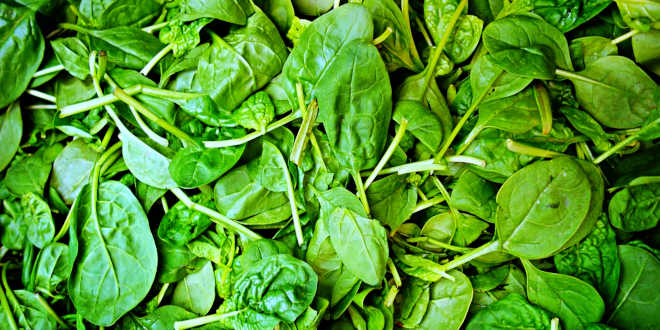
| Cooked and strained fresh spinach | 1 cup (180g) | 6.4 |
| Cooked beans | 1 cup | 5.2 |
| Canned and strained spinach | 1 cup (215g) | 4.9 |
| Cereals enriched with 25% of iron | ¾ cup (30g) | 4.5 |
| Cooked broad beans | 1 cup | 4.5 |
| Raw tofu | ½ cup | 3.4 |
| Semolina | 1 cup | 1.5 |
| Almonds, pistachios | 30g | 1.2 |
| Whole flour/white flour bread | 1 slice | 0.9 |
| Egg yolk | 1 | 0.45 |
Inadequate intake markers:
- Low energy intake for long periods of time (less than 2000 Kcal)
- Ignoring iron sources in vegetarian diets (legumes, nuts and seeds)
- Not combining foods properly in order to stimulate the absorption of this minerals
- Not taking products enriched with this mineral such as cereals
- Following diets high in HC with a lot of fiber and little meat. These would need twice as much iron when compared to non-vegetarians due to the low efficiency of non heme iron absorption. It is advisable to take vitamin C (citrus) and vitamin A in order to increase its absorption

Iron and anemia
This mineral is crucial for the synthesis of hemoglobin, which is why it is key for binding this protein to oxygen.
However, the body can produce little hemoglobin and red blood cells or they have a worse quality. This mainly happens when the body does not have enough iron due to blood loss, a bad diet or our inability to absorb enough. Consequently, this hinders the tissue oxygenation by the blood.
This deficiency is called iron deficiency anemia.
However, this mineral is not the only key element when it comes to producing red cells in the bone marrow. Our body also needs two vitamins: vitamin B12 and folic acid. A deficiency of one of them can also trigger other types of anemia.
Iron dose
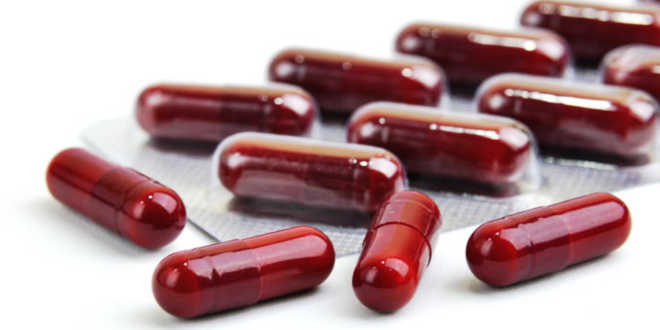
A balanced diet should meet the daily requirements of this mineral. However, stress and other circumstances can increase said requirements. Therefore, taking a dietary supplement will be quite useful to meet this need.
In general, the recommended dose is around 10mg daily in normal situations or 15mg if we have additional needs. After suffering a deficiency, the body will need several months to recover its normal levels once again.
Some iron supplements can cause gastrointestinal problems such as irritation and constipation. But there is only one form that has been formulated to improve the absorption of this mineral while being gentle with the body. We are talking about iron chelate (bisglycinate).
Side effects and interactions
Above all, iron dietary supplements are completely safe and they do not have side effects. The instructions of each product provide more detailed information.
Evidently, you should consult your doctor before taking supplements. Specially those who are taking some kind of medicine, pregnant or lactating women, as well as those who have renal problems.
What do the experts think about iron?
- The myth about spinach
For many years, we have heard that spinach is rich in this essential mineral. However, now we know that the oxalic acid from spinach can inhibit the absorption of said mineral. - Factors that improve or inhibit the iron absorption
According to the most recent clinical studies, drinking black tea or coffee also hinders its absorption. - Fruits and vegetables rich in in vitamin C, such as orange juice, improve its absorption. In general, only a 10% of the iron we take from the diet is used by the body.
Bibliography
- Singh B, Singh SS, Sundar S. Hepcidin mediated iron homeostasis as immune regulator in visceral leishmaniasis patients. Parasite Immunol. 2018 Nov 6:e12601. doi: 10.1111/pim.12601.
- Wang CY, Babitt JL. Liver iron sensing and body iron homeostasis. Blood. 2018 Nov 6. pii: blood-2018-06-815894. doi: 10.1182/blood-2018-06-815894.
- Rivella S. Iron metabolism under conditions of ineffective erythropoiesis in beta-thalassemia. Blood. 2018 Nov 6. pii: blood-2018-07-815928. doi: 10.1182/blood-2018-07-815928.
- Camaschella C. Iron deficiency. Blood. 2018 Nov 6. pii: blood-2018-05-815944. doi: 10.1182/blood-2018-05-815944.
Related Entries:
- Mineral chart
- Iron Supplementation for Endurance Runners
- Nutritional Guide for Female Endurance Runners