Fitness, Nutrition, Health and Sports Blog In the HSNstore Blog you will find tips about Fitness, sport in general, nutrition, and health – HSNstore.com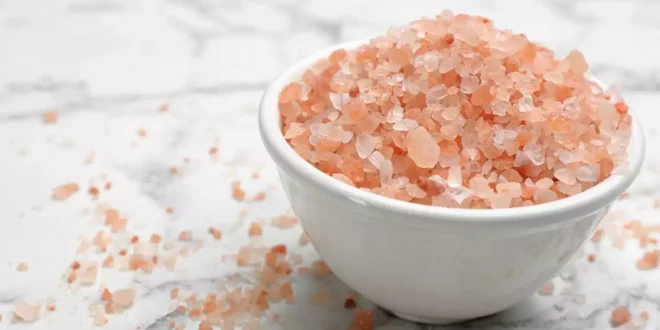

In the world of nutrition, few seasonings have gone from obscurity to the shelves of every kitchen as fast as Himalayan pink salt. But first, let’s bust a myth: it’s not a “miracle product” that magically cures diseases.
What it definitely is, without a doubt, is a premium alternative to refined table salt.
Its real value doesn’t lie in mystical properties, but in its natural state and extreme purity. While common salt is the result of a harsh industrial process, Himalayan salt reaches your table practically as nature made it millions of years ago, preserving a structure and a mineral density that table salt has lost along the way.
Main differences between Himalayan salt and refined salt
The difference isn’t just in color, but in what happens from extraction to when it lands in your salt shaker.
- Extraction vs. Refinement: While common salt usually comes from marine deposits processed with chemicals, Himalayan salt is extracted manually or mechanically from deep mines (mainly in Pakistan). It doesn’t go through bleaching or high-temperature processes that alter its nature.
- Goodbye additives: Conventional table salt often contains anti-caking agents (like sodium ferrocyanide) and bleaching agents to look perfectly white and flow smoothly. Himalayan salt is pure: its pink color comes from iron and other naturally present minerals.
- Crystal structure: Since it’s not industrially processed, it keeps a natural and complete crystal structure, unlike refined salt, which is basically isolated and fractured sodium chloride.
Why it’s considered a healthier option than common salt
If we analyze its composition, Himalayan salt isn’t just sodium. Being a whole product, it contains small traces of various minerals like iron, magnesium, or potassium, responsible for its characteristic pink color.
It’s true these amounts are small (“traces”), but what matters here is the full profile. Instead of ingesting 99% pure sodium chloride, you’re consuming a more balanced mineral complex.
- Debunking sodium: It’s important to clarify that Himalayan salt still contains sodium. It’s not a “sodium-free salt.” However, since its crystals are less dense and not chemically processed, its impact on the palate is more intense, often allowing you to use less to get the same flavor.
Does Himalayan salt have iodine?
Because refined salt is usually iodized. This is a very common question. And the correct answer: pink salt usually isn’t iodized.
In some diets, it might be important to consume other sources of iodine.
Himalayan Salt vs. Table Salt: The ultimate comparison
To understand why FoodSeries Himalayan Salt is the go-to choice for athletes and healthy cooking lovers, let’s check its differences compared to conventional refined salt:
| Feature | Himalayan Pink Salt | Common Table Salt |
| Origin | Natural fossil deposits (mines) | Marine or underground deposits |
| Processing | Manual and mechanical extraction (minimal) | Industrial refining processes |
| Composition | Sodium chloride + mineral traces | Isolated sodium chloride (approx. 99%) |
| Flavor | Mild, mineral, and lingering | Metallic and sharp |
| Sustainability | Traditional mineral extraction | Massive industrial processes |
The role of salt in sports performance
For an athlete, salt isn’t the enemy but an essential electrolyte. Sodium is one of the most important minerals to maintain fluid balance in the body and for nerve impulse transmission.
During intense exercise, we lose sodium through sweat, so properly replenishing it is part of any hydration strategy.
In this context, Himalayan salt can be used as a culinary alternative to refined salt within a balanced diet, helping to recover lost flavor and electrolytes after training.

Varieties of pink and black salt for culinary uses
Not all Himalayan salts are the same, and in the kitchen, each has its moment:
- Pink Salt: The standard one. Its flavor is mild, clean, and crisp. Perfect for daily use, whether cooking or adding the finishing touch to meat or veggies.
- Black Salt (Kala Namak): This is the crown jewel for creative and vegan cooking lovers. It has a high content of sulfur compounds that give it an aroma and flavor suspiciously similar to egg. It’s the secret ingredient to make a vegan “scramble” with tofu that tastes amazing.
Buy the best Himalayan Salt at HSN
Our FoodSeries line guarantees that the salt reaching your kitchen meets the highest food safety standards.
- Himalayan Pink Salt: Available in various formats. The ideal choice for those avoiding refined salts and seeking maximum mineral purity in their daily diet.
- Himalayan Black Salt: A must-have in plant-based diets. If you want to take your vegan recipes to the next level of authentic flavor, this is your salt.
Fine or coarse texture: which to choose?
At HSN, we offer both options, and the choice depends on your style:
- Fine Salt: Ideal for quick dissolving in stews, doughs, or for the conventional table salt shaker.
- Coarse Salt: The best option for grinders or finishing dishes (like a ribeye or padrón peppers), where you want that “crunch” and a burst of localized flavor.
How to use it responsibly
Regardless of the type of salt you use, consumption should be moderate. The World Health Organization recommends not exceeding 5 g of salt per day in the usual diet.
Himalayan salt can be an interesting culinary alternative, but its main function remains the same: enhancing the flavor of food. Use it to boost your dishes, not to mask them.
Related Posts
- Best foods to replenish electrolytes
- Types of magnesium and which is best for me
- The importance of sodium in health