 Fitness, Nutrition, Health and Sports Blog In the HSNstore Blog you will find tips about Fitness, sport in general, nutrition, and health – HSNstore.com

The term stress comes from physics: the pressure exerted by one body on another, with the one that receives the most pressure being the one that can be torn apart.
What is stress?
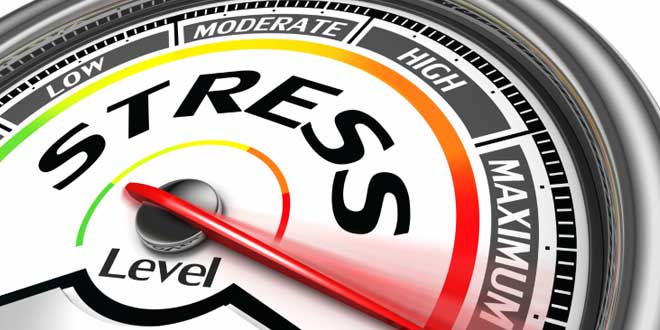
It is similar in humans and animals and is a physiological reaction of the organism, not a disease. It is a defence mechanism to cope with a situation that is perceived as threatening. It is a natural and necessary response for survival. If permanent stress occurs, then it is a disease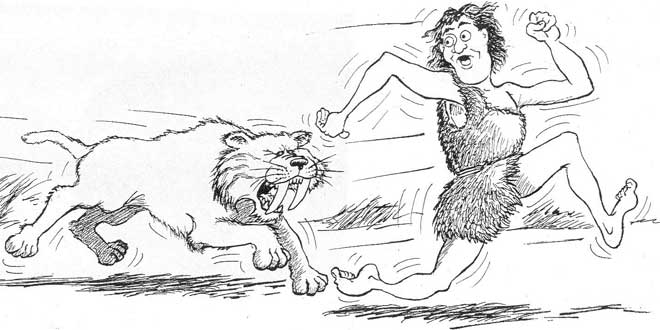
- Allostasis: Physiological response to stress.
- Allostatic load: Pathological response to chronic stress.
- Frequent activation or chronicity of allostasis systems: Allostatic load.
- Sustained stress: Loss of weight and muscle mass, infertility, immunodeficiency, increased susceptibility to disease.
- Stress resilience factors: Beliefs, sense of mastery and confidence over reality, sense of self-efficacy, locus of control, strength, optimism, sense of coherence…
Types of stress
Eustress or Positive Stress
With positive consequences for the stressed subject (survival). Among its characteristics we find that it motivates, focuses energy, improves performance, and increases confidence. On the other hand, it is a short-term stress.
Distress or Negative Stress
With negative consequences (illness or pathology), whose characteristics: produces anxiety and/or worry, decreases performance, unpleasant or uncomfortable feeling. It can be short or long term. It can also produce mental and physical problems.

Sometimes, for a short period of time, stress can be helpful in accomplishing a task.
Stress components
Stress is the body’s response to a change. In this sense, we can speak of an alteration of homeostasis, triggering a series of physiological reactions within our organism, enabling it to cope with guarantees and come out of the stressful situation with flying colours, in the event of an imminent risk.
Stress is, after all, a strain placed on an organism, forcing it to change and adapt according to conditions.
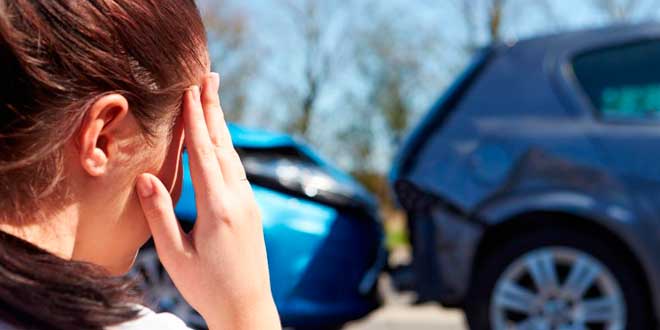
These are any events in our lives that generate or can create a physical, mental or emotional reaction. Examples: losing a job, struggling to pay bills, having a car accident… All of these circumstances will provoke a stress response at the mental and bodily level, where in most cases, it will be detrimental to our sense of wellbeing.
Stress and nervous system
The nervous system can be considered as a system with somatic (voluntary) or autonomic (involuntary) functions. The former is responsible for the activation of skeletal muscles, while the latter controls involuntary actions, such as heart rate. Therefore, it is precisely the sympathetic system that will rule in a stressful situation as opposed to the autonomic system.
This procedure is what allows us to survive when we come across any dangerous situation and makes us react almost immediately (dodge, jump, sprint…).
The problem with this operating scheme arises when our sympathetic system, due to an excess of stress, prevails over the autonomic system and, so to speak, we are always on alert, which is totally counterproductive for our health. Stress as a pathology is determined by memory, we predict reality, we keep the body in a state of sympathicotonia..
Main causes of stress
- Damage/loss: harm that has already occurred.
- Threat: damage or loss that has not occurred but is possible.
- Challenge: Difficulties stand in the way of achievement.
There are variables that make this change, the emotions, which are ways of adapting to the stressor: anger, fear, guilt, sadness, relief…
How do we react to stress?
When faced with a threat that may involve unusual mental or physical exertion, and preparation for possible injury or emotional distress, the body has instinctive mechanisms to prepare and ensure that we are in the best possible state to combat the problem and survive.
These changes involve the brain, nervous system, blood circulation and muscles, as well as mental and emotional attitudes that work differently from normal.
- Feeling of increased energy.
- “Wide awake”
- Clarity of mind, able to focus on maximum detail.
- A sense of being able to solve the problem.
- Maximum awareness for bodily needs: thirst, hunger, fatigue, safety.
- Need to act, not to stand still.
- Maximum concentration on the situation.
- Channelling thinking about what needs to be done rather than what might happen.
Stress response
This process prepares the body to fight or flee from a perceived threat (known as the fight or flight response).
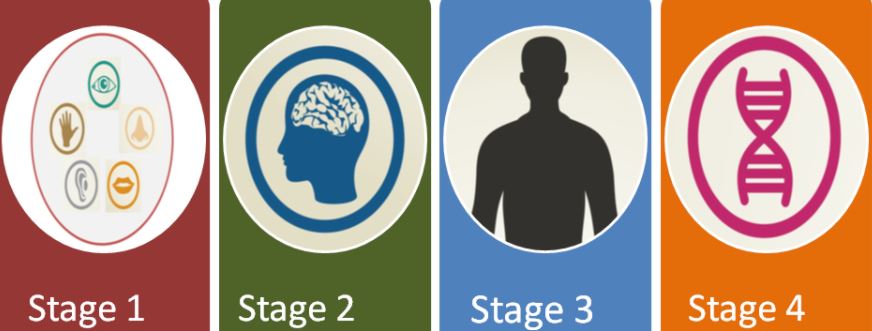
- Sensing the stimulus (stress) through our senses.
- Our brain processes the information (stimulus) and categorises it as a risk or threat.
- The body remains activated or excited until the threat is over.
- Once the threat has been overcome, the body returns to the pre-detection state.
What changes occur in the body when we are under stress?
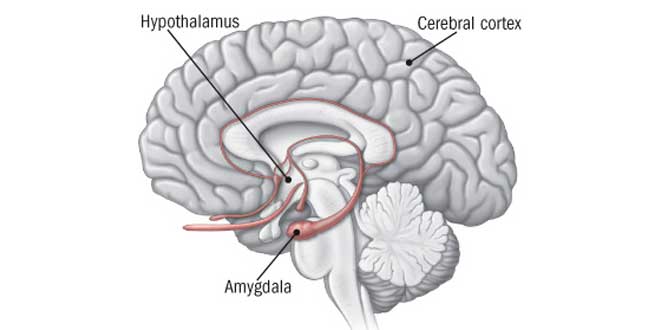
When the source of the threat is detected by our senses, the signal is sent to the amygdala, an area of the brain responsible for emotional processing, where images and sounds are interpreted. If danger is perceived, the hypothalamus is instantly alerted (a “distress signal” is sent). The hypothalamus communicates with the rest of the body via the autonomic nervous system. It also activates the sympathetic system by sending signals that will affect the adrenal glands. This organ is responsible for releasing certain hormones into the bloodstream, such as epinephrine.
All these changes occur at such a speed that the person is not able to fully visually perceive and process the threat or risk in front of them.
Once they circulate in the blood, a series of physiological changes will occur:
- The heart will pump at a higher rate than normal, increasing blood flow to the muscles (increases muscle strength), heart and other vital organs.
- Heart rate and blood pressure will rise.
- Breathing rate will increase, opening the airways (dilation of the bronchioles) and taking in more oxygen with each breath.
- The extra oxygen is received by the brain, increasing alertness.
- The senses are sharpened.
- Endorphins are released so that we feel less pain, digestion stops, saliva stops flowing and bladder muscles relax.
- The blood vessels in the skin constrict to produce less bleeding in case of injury.
- Energy substrates (fatty acids, glucose) are released into the blood to supply energy to all parts of the body.
Cortisol and stress
As epinephrine release decreases, the hypothalamus triggers another component of the stress response, known as the Hypothalamic-Pituitary-Adrenal Axis (HHA Axis). This interconnects the hypothalamus, the pituitary gland and the adrenal glands. The sympathetic system remains activated. If the brain continues to detect threat, the hypothalamus releases adrenocorticotropic hormone-releasing hormone (CRH) which travels to the pituitary gland, releasing adrenocorticotropic hormone (ACTH), which releases cortisol.
The body thus remains accelerated and alert. When the threat passes, cortisol levels drop, and it is again (if all goes well) the parasympathetic nervous system, which dampens the stress response, and is once again “in control”.
Cortisol signals the liver to produce more glucose and release it into the bloodstream. It will also block insulin receptors in organs not involved in the stress response (fight or flight). It can also get energy from proteins (amino acids) into glycogen and start fat storage in anticipation and if necessary for survival (again … for fight or flight). The body can become insulin resistant.
How does stress affect the brain?
The amygdala is not only the first to alert us to the potential risk of threat, but it is also responsible for storing the experience in our memory. Any stressful situation that involves making a decision to fight or flee will be recorded in our brain, so that although it may seem illogical, by imagining the possible situation or remembering it, the whole process described above can be restarted.
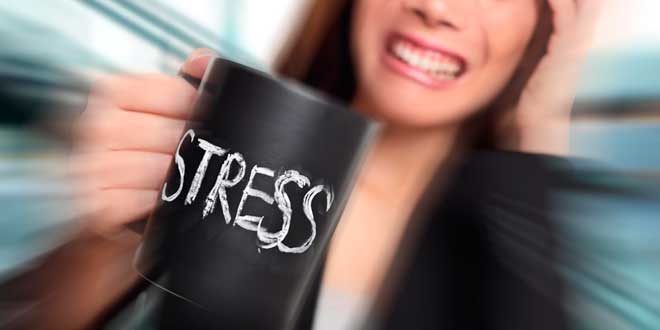
The stress response can be initiated by a perceived threat or a real threat. The threat does not even have to be real for this to start. An imagined threat can initiate a physical response.
Effects of chronic stress
When stress goes from being a one-off event to becoming a constant almost every day, it produces a series of alterations at all levels within the organism, so that our organism is unable to return to a state of homeostasis, substantially reducing our well-being and even affecting our professional, academic or social life:
On the Cognitive Level.
- Memory problems.
- Lack of concentration.
- Difficulty in making decisions.
- Negativism.
- Constant concern.
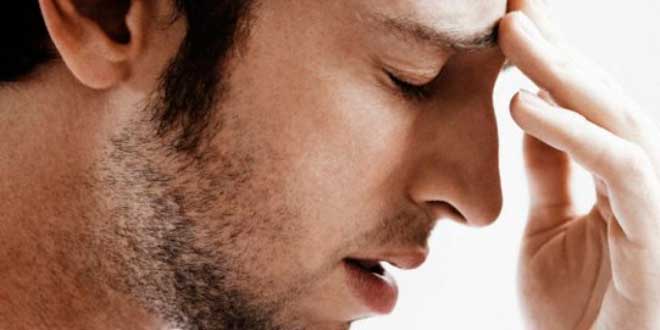
On the Physical Level
- Chest pain, palpitations.
- Frequent colds.
- Stomach pain.
- General discomfort and pain.
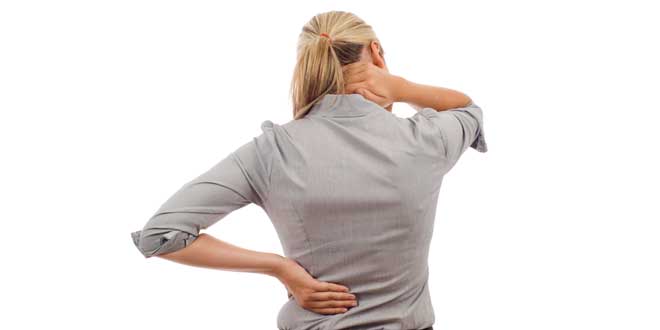
On the Behavioural Level.
- Loss/increase of appetite.
- Lack of sleep/Excessive sleep.
- Social isolation.
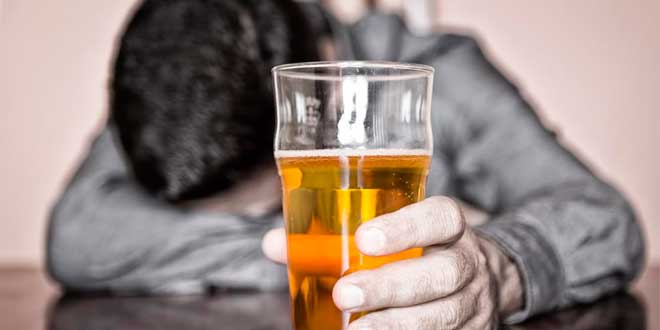
- Use of alcohol, nicotine or drugs to relax.
- Nervous habits (eye twitching, nail biting, …)

Tips for managing stress

- Get away from stressful situations: even if only for a short period of time. It’s good to get some air and calm down.
- Learn to relax: meditation and breathing exercises are an effective way to reduce stress.
- Avoid reactions to extreme situations.
- Get enough sleep: get the seven to eight hours of sleep needed for your body to function properly throughout the day. Lack of sleep can only make every little thing more aggravating, so it’s important to get a good night’s sleep to help minimise stress levels.
- Doing something for others: helping others will help you to free your mind, and the stressful situations you may be facing.
- Don’t get overwhelmed: try to see tasks and setbacks as challenges that allow you to grow, not as threatening situations.
- Find a hobby or sport: read, go to the cinema, play sport, listen to music…
- Focusing thoughts: not thinking about too many things at once.
- When a task is not progressing: do another task or take a break, don’t be obsessed.
- Sometimes it is good to be a bit selfish: sometimes it is important to say “NO”. It is impossible to please everyone.
- Adopt a healthy lifestyle: eat a healthy diet, avoid caffeine, nicotine and alcohol.
- Deal with one issue at a time.
- Tackle the hardest work first.
- Manage time.
- Try to see things differently, develop a positive thinking style.
- Accept the things you cannot change.
- Avoid unnecessary conflict.
Related Entries
- Sport in the morning, an antidote to stress.
- How to avoid overeating due to stress?
- Myths about stress.
- Natural supplements to treat stress and anxiety.