Fitness, Nutrition, Health and Sports Blog In the HSNstore Blog you will find tips about Fitness, sport in general, nutrition, and health – HSNstore.com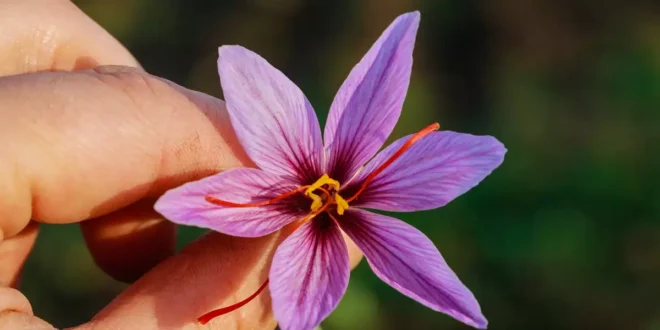

Saffron (Crocus sativus L.), historically known as “red gold” due to its labor-intensive harvesting process and high value, has gone beyond the culinary world to establish itself as a key tool in modern nutritional psychiatry. For centuries, various cultures used it as a traditional remedy to improve mood, but today science is confirming this ancestral knowledge.
From a rigorous scientific perspective, saffron can be described as a “natural antidepressant” not as a marketing label, but because of its ability to modulate specific neurochemical processes in a way similar to certain medications—yet with a generally superior safety profile in cases of mild to moderate depression.
How does saffron act on our nervous system?
To understand how a spice can influence emotional well-being, we need to look inside our neurons. Saffron extract does not act in isolation; it performs a multifactorial intervention that protects and optimizes the brain environment, allowing chemical communication between neurons to become more efficient.
The role of serotonin and dopamine
The main bioactive compounds in saffron act directly on the availability of “feel-good” neurotransmitters. They have been shown to help inhibit serotonin reuptake, allowing it to remain longer in the synaptic space.
It also positively influences levels of dopamine and norepinephrine, essential molecules for motivation, pleasure, and the stress response.
- ? Maintaining optimal levels of these neurotransmitters is the biological foundation of a balanced mood.
Neuroinflammation and oxidative stress
Current science suggests that depression is not just a “chemical imbalance,” but is often accompanied by neuroinflammation. Saffron has exceptional antioxidant power in the brain thanks to its carotenoids.
These protect neurons from oxidative damage and reduce pro-inflammatory cytokines, creating a neuroprotective environment that supports brain plasticity and emotional resilience.

Crocin and Safranal: The secrets behind the extract
It is important to clarify that not just any culinary saffron will provide these benefits. The saffron used in cooking is often degraded by heat and does not guarantee a minimum concentration of active compounds.
To achieve real therapeutic effects, we need standardized extracts in:
- Crocin: responsible for the color and much of the antioxidant and serotonin-modulating effect.
- Safranal: responsible for the aroma, with proven sedative and neuroprotective properties.
- ? The effectiveness of the supplement depends directly on the purity and concentration of these two compounds.
What do current studies say?
Scientific evidence on saffron is robust. Several meta-analyses have compared saffron extract with placebos and conventional antidepressant drugs (such as fluoxetine or imipramine) in cases of mild to moderate depression.
The results show that saffron is significantly more effective than placebo and comparable in potency to some standard medications, with one critical advantage: its excellent tolerability profile.
Unlike many medications, saffron does not present significant side effects, avoiding common issues such as sexual dysfunction or weight gain.
Saffron Extract (Affron®) by HSN
Saffron Extract (3:1) from EssentialSeries represents the forefront of supplementation for emotional well-being, using exclusively the prestigious raw material affron®.
What truly sets this formulation apart is its technical rigor: it is standardized to 3.5% Lepticrosalides®, a patented blend of crocins and safranal analyzed using HPLC-DAD technology to ensure maximum purity.
To ensure that these bioactive compounds reach the consumer intact, the AFF® ON Cool-Tech cold extraction system is used—a process that avoids heat and preserves the plant’s chemical integrity.
In addition, the formula has been enriched with vitamin B12, a strategic inclusion that enhances the product’s benefits by contributing to the normal functioning of the nervous system and normal psychological function, helping to reduce daily fatigue.
Backed by 9 clinical studies involving more than 400 subjects, this vegan-friendly supplement is an effective tool for those looking to support relaxation, maintain a positive mood, and promote natural emotional balance.
Buy Saffron Extract affron® (3:1) at HSN
Dosage and usage recommendations
The dose supported by scientific literature to obtain mood-related benefits is 30 mg of standardized extract (Affron®) per day. As with other nutritional supports for the nervous system, the most noticeable effects usually appear after 4 to 8 weeks of continuous use.
- ? Consistency is essential.
Contraindications and safety of saffron
Despite being a natural compound with a high safety profile, there are important warnings:
- Pregnancy and breastfeeding: its use in supplemental doses is not recommended, as it may stimulate uterine contractions.
- Drug interactions: if you are already undergoing treatment with antidepressants (SSRIs or others), it is essential to consult a doctor before introducing saffron, as it may excessively increase serotonin levels.
Remember that supplements are supportive tools, but if you experience symptoms of depression, consulting a mental health professional is the essential first step.
Related Posts
- Discover all the potential benefits of Tryptophan
- Benefits of 5-HTP for relaxation and emotional well-being
- 8 Properties and benefits of Ashwagandha
- How to lower cortisol naturally to reduce stress