Fitness, Nutrition, Health and Sports Blog In the HSNstore Blog you will find tips about Fitness, sport in general, nutrition, and health – HSNstore.com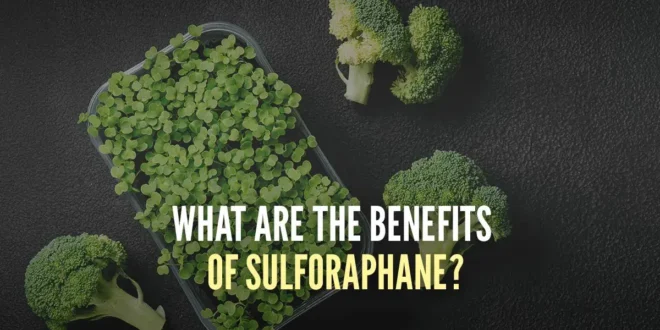

Sulforaphane is a phytochemical naturally present in plants. It belongs to the isothiocyanate family and is the aglycone metabolite of glucoraphanin.
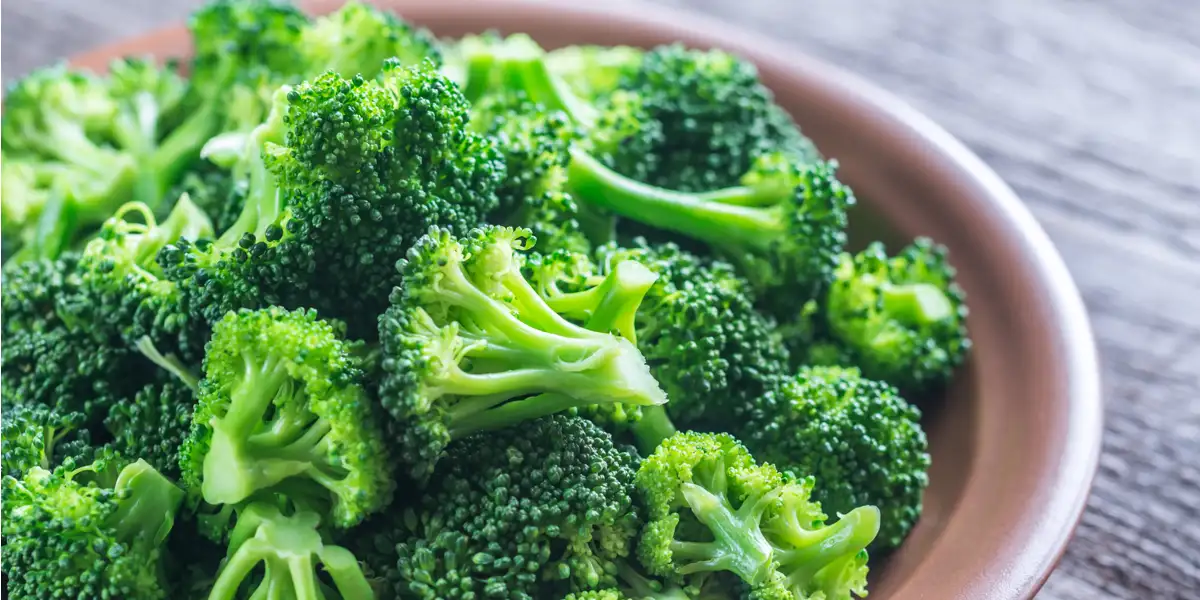
Its precursor glucosinolate is commonly found in cruciferous plants. When the plant is chewed or cut, the enzyme myrosinase converts it into sulforaphane.
Nutritionally, sulforaphane has properties traditionally linked to cruciferous vegetables. Some properties depend on the sulforaphane content. This makes it a highly valued compound for its positive effects on the immune system, anti-inflammatory, antineoplastic, and antioxidant properties, among others.
Sulforaphane is considered to have potential positive effects on:
- Neurological health
- Metabolic health
- Oncological health
- Celular health (especially mitochondrial).
Sulforaphane Properties
Sulforaphane has potential positive properties on immune system function, cell protection (including possible anti-aging properties), and protection against neoplasms.
Sulforaphane, as indicated by Houghton’s review study (2019), has a significant role in the nutraceutical field for the prevention and management of chronic diseases. Most of its mechanisms are mediated by its REDOX influence, acting as a catalyst in Oxidation-Reduction reactions.
Some positive action mechanisms are genetically mediated. It especially affects the Nrf2 system, acting as a cell protection system in the tissues where it is expressed (kidneys, skeletal muscle, lungs, heart, liver, and brain).

What Foods Contain Sulforaphane?
Sulforaphane is released by altering glucoraphanin, its natural form. This can be achieved by cutting the plant or chewing it.
Sulforaphane content in plants varies due to multiple cultivation conditions, such as soil, sun exposure, heat, and humidity. Cooking and processing also affect its sulforaphane content, as this compound is very unstable.
It is also unstable to heat, so cooking techniques that best suit cruciferous vegetables to enjoy their sulforaphane content are eating the plants raw or using low-temperature cooking methods without direct water contact, such as sous vide.
This makes the use of sulforaphane supplements particularly relevant due to the difficulties in maintaining stability in traditional kitchen settings.
Sulforaphane in Supplements
Sulforaphane supplements are a real enigma in the market. Many products marketed as ‘sulforaphane’ are actually its precursor, glucoraphanin, with the enzyme myrosinase that converts it into sulforaphane. However, they should not cost as much as sulforaphane nor have the same properties as the compound since they only contain the operation that results in it.
At HSN, we researched the sulforaphane raw materials market before manufacturing our supplement. We are known for being a quality reference in the supplement industry. With such an exclusive and delicate compound as sulforaphane, we were not willing to offer anything but the best.
We use the Sulfodyne® raw material, developed by Ingood by Olga, which offers a standardised broccoli seed extract with 5% authentic stable sulforaphane. It is the only raw material in the world capable of ensuring the stability of its sulforaphane content.
This translates to quality. Sulforaphane by HSN is up to 7 times more bioavailable than other supplements on the market made from glucoraphanin. HSN’s dose has been adapted to the highest effective range recommended by Ingood by Olga according to their studies: 400mg of Sulfodyne® per day.
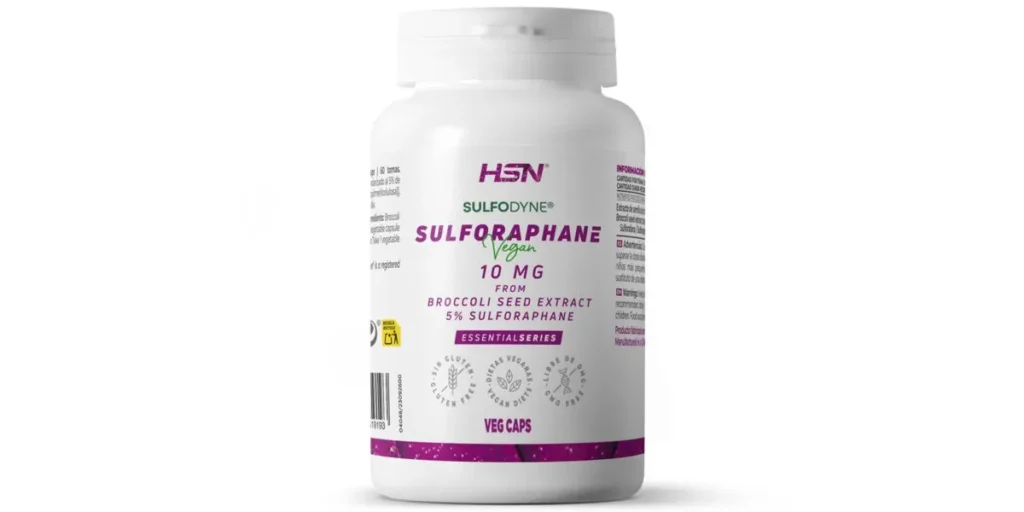
Sulforaphane from Broccoli 10mg (200mg Sulfodyne®) by EssentialSeries
Sulfodyne® is the best raw material on the market for delivering sulforaphane
Buy it from a quality manufacturer like HSN, which offers you a reference product. We handle the best raw materials and develop high-concentration vegan capsules. The conditions of use are analysed by the patent developer, who has conducted more studies to determine the optimal dose. Many manufacturers do not respect these guidelines, preferring to cut costs at the expense of quality.
At HSN, we do not proceed this way; we offer premium quality at a fair price.
Sulforaphane and its Contraindications
Sulforaphane is a completely safe compound at the recommended daily doses. It has no associated contraindications and does not require any special considerations for consumption beyond those stated on the product label regarding its content (quantity) and directions for use (dose distribution).
It is important to note if you have a significant medical condition or are undergoing medical treatment, it is advisable to consult your doctor who is familiar with your case and can assess the compatibility of sulforaphane supplementation.
Conclusion
Sulforaphane is an excellent compound from the isothiocyanate family, found in cruciferous vegetables, for improving health.
Sulforaphane stands out for:
- Being very sensitive to cooking and treatment as a food supplement.
- Having significant antioxidant properties.
- Supporting metabolic, immune, and neurological health.
- Being a compound with currently very active research related to cancer and its prognosis.
Recommended Bibliography
- Asif Ali, M., Khan, N., Kaleem, N., Ahmad, W., Alharethi, S. H., Alharbi, B., … Sharifi-Rad, J. (2023). Anticancer properties of sulforaphane: current insights at the molecular level. Frontiers in Oncology, 13, 1168321. https://doi.org/10.3389/fonc.2023.1168321
- Houghton, C. A. (2019). Sulforaphane: Its “Coming of Age” as a Clinically Relevant Nutraceutical in the Prevention and Treatment of Chronic Disease. Oxidative Medicine and Cellular Longevity, 2019, 2716870. https://doi.org/10.1155/2019/2716870
- Kim, J. K., & Park, S. U. (2016). Current potential health benefits of sulforaphane. EXCLI Journal, 15, 571–577. https://doi.org/10.17179/excli2016-485
- Mahn, A., & Castillo, A. (2021). Potential of sulforaphane as a natural immune system enhancer: A review. Molecules, 26(3). https://doi.org/10.3390/molecules26030752
- Ruhee, R. T., & Suzuki, K. (2020). The integrative role of sulforaphane in preventing inflammation, oxidative stress and fatigue: A review of a potential protective phytochemical. Antioxidants, 9(6), 1–13. https://doi.org/10.3390/antiox9060521
- Santín-Márquez, R., Alarcón-Aguilar, A., López-Diazguerrero, N. E., Chondrogianni, N., & Königsberg, M. (2019). Sulforaphane – role in aging and neurodegeneration. GeroScience, 41(5), 655–670. https://doi.org/10.1007/s11357-019-00061-7
- Zambrano, V., Bustos, R., & Mahn, A. (2019). Insights about stabilization of sulforaphane through microencapsulation. Heliyon, 5(11), e02951. https://doi.org/10.1016/j.heliyon.2019.e02951