Fitness, Nutrition, Health and Sports Blog In the HSNstore Blog you will find tips about Fitness, sport in general, nutrition, and health – HSNstore.com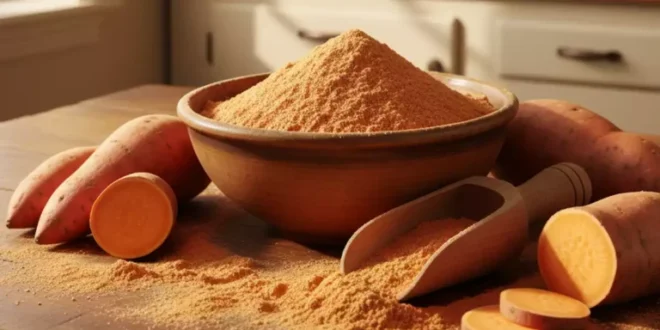

Sweet potato flour is changing the way we cook healthy. Its light texture, natural sweetness, and excellent nutritional value have made it a star ingredient for those looking for tasty and balanced recipes. You can use it to make breads and desserts or sauces and creams, as it offers endless possibilities in modern cooking.
Find out why this superfood is winning over more and more kitchens and how you can make the most of its full potential in your dishes.
Benefits of adding sweet potato flour to your diet
Sweet potato flour stands out for its many advantages for wellness and nutrition.
Suitable for gluten-free diets
Sweet potato flour is naturally gluten-free, making it a safe and nutritious alternative for celiacs or anyone following a gluten-free diet. It lets you prepare breads, doughs, and pastries without needing conventional flours.
Source of vitamins and minerals
It shines with its high content of vitamin A, thanks to beta-carotenes, which support eye health, skin, and the immune system. It also provides vitamin C, with antioxidant action and essential for collagen formation, as well as B vitamins (especially B5 and B6), which help energy metabolism. Regarding minerals, it’s a source of potassium, magnesium, and manganese, essential for muscle, nerve, and metabolic balance.
Lower glycemic index
Compared to other options, sweet potato has a much lower glycemic index. This means a more stable and prolonged energy release, making it a smart choice to keep blood sugar levels balanced.
Higher fiber content
Using sweet potato flour instead of conventional white flours significantly boosts fiber intake. This not only aids digestion but also helps you feel fuller for longer.
Easier digestion
Adding this ingredient to desserts and main dishes can lead to lighter digestion. Its composition is gentler on the digestive system compared to other refined flours.
Multiple options in the kitchen
Its subtle flavor and texture allow it to be included in countless preparations. From thickening sauces and making batters to baking brownies, pancakes, and cookies, it adds extra nutritional value without compromising taste.
How can you use sweet potato flour?
Sweet potato flour is one of those ingredients that perfectly combine functional nutrition with culinary versatility. Made 100% from dehydrated and ground sweet potato, with no additives or allergens, it’s an excellent source of complex carbs, fiber, vitamins, and minerals.
Its use is as simple as it is broad, fitting both everyday cooking and sports nutrition.
? In everyday recipes
You can use sweet potato flour as a partial or total substitute for other flours in your sweet or savory recipes. Its slightly sweet taste and fine texture add softness and color to your dishes. Some practical ideas:
- Healthy pancakes: mix 30-50 g of sweet potato flour with egg white, plant-based milk or water, and a pinch of cinnamon. Perfect for energizing breakfasts or pre-workout.
- Bread, cakes, or muffins: replace between 25 and 50% of traditional flour with sweet potato flour to improve nutritional profile and texture.
- Batter and savory doughs: great for breading or thickening sauces and creams, giving a smooth and natural consistency.
- Creams and purées: add a spoonful to increase density and carb content without using refined flours.
? In sports nutrition
For athletes, sweet potato flour is an excellent alternative to processed carbs, as it releases energy gradually, helping keep blood sugar stable and prolong performance. You can take it in several ways:
- Pre-workout: add 1 scoop to your shake along with whey or plant protein and a nut butter (almond or peanut butter). Provides sustained energy and boosts performance.
- Post-workout: combine it with your protein to support muscle glycogen recovery after intense or long sessions.
- During the day: use it as a base for pancakes or energy shakes if you need to increase your calorie intake healthily.
Healthy dishes with HSN gluten-free sweet potato flour
FoodSeries sweet potato flour stands out for its purity and quality. Made only from sweet potato, it’s a natural, safe, and consistent choice for healthy eating. At HSN we bet on real ingredients, without unnecessary additives, so eating well is easy and delicious.
- 100% natural: made only with sweet potato, no additives or anti-caking agents.
- Real food: no flavor enhancers or artificial ingredients.
- Allergen-free: free of traces, thanks to a controlled production process.
- GMO free: no genetically modified organisms.
- HSN quality: a versatile, safe flour perfect for your healthy recipes.
Who can take sweet potato flour?
- Celiacs: since unlike other flours it contains no gluten.
- Athletes: very useful to increase carb intake.
- Anyone looking for a quality flour to make sweet or savory recipes, as this food’s possibilities are almost endless.
Usage recommendations
- No pre-cooking needed; it can be mixed directly into shakes or doughs.
- Retains its flavor and properties even after baking.
- Due to its high fiber content, it’s recommended to increase water intake when used regularly.
- Suitable for gluten-free, vegetarian, and vegan diets.
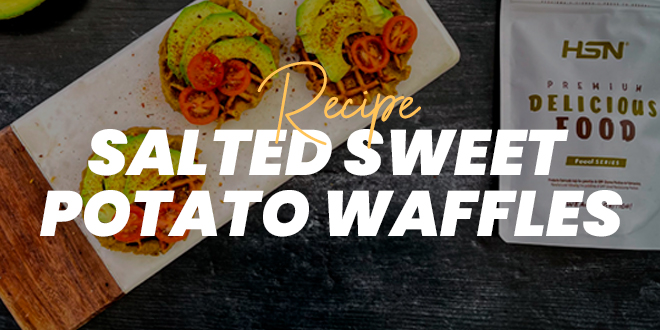
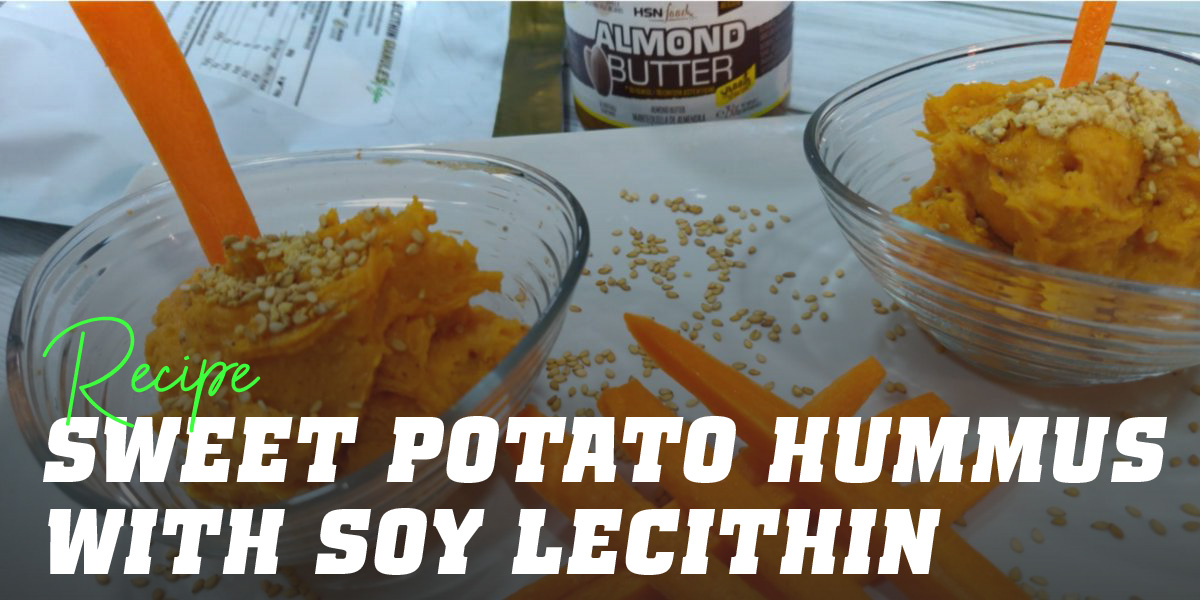
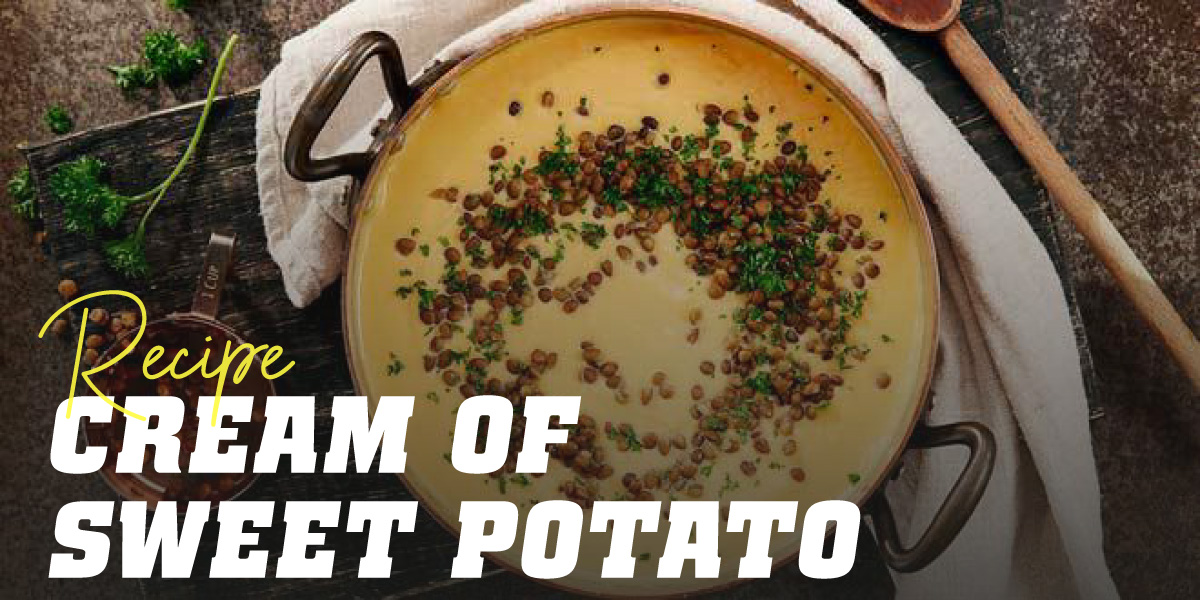
Recipes with HSN sweet potato flour
At HSN we focus on ingredients that combine nutrition and flavor, and sweet potato flour is one of them. With it, we bring you easy, balanced, and energy-packed recipes, perfect for enjoying a healthier lifestyle every day.



Related posts