 Fitness, Nutrition, Health and Sports Blog In the HSNstore Blog you will find tips about Fitness, sport in general, nutrition, and health – HSNstore.com

The meteoric rise of quinoa began when it was adopted as a staple food for NASA astronauts, paving the way for its recognition as a key food for athletes. There’s little doubt that this ‘superfood’ is also highly recommended for the general population. But… What’s the secret behind its many benefits? Let’s uncover the key to its success.
What is Quinoa?
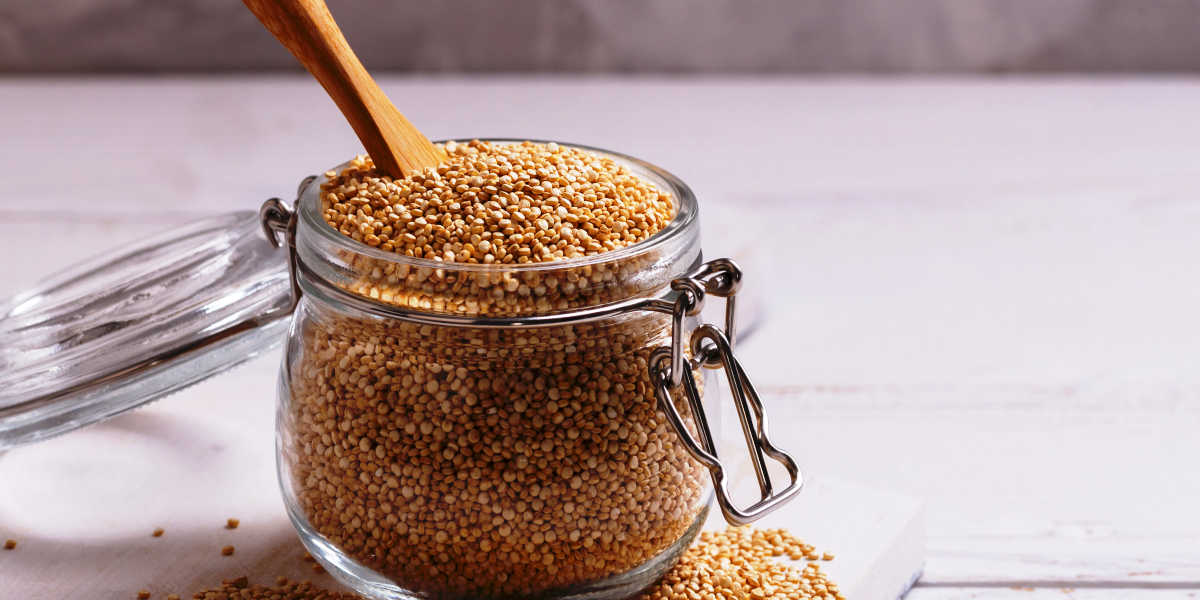
Quinoa, also known as quinua, is one of those foods that has recently become a household name. What we’re talking about is a tiny seed that has captured the hearts of those who are into natural and organic nutrition.
Just a coincidence? Not at all. It’s thanks to its exceptional content of energy and fibre, on par with whole grains, its highly complete plant-based proteins, and a surprising amount of minerals.
Its crisp grains, pale yellow in colour, offer a delicate flavour often described as a cross between rice and couscous. It never overwhelms the palate, and actually helps cleanse it from more intense flavours. Once cooked, the grains separate and shine. Visually speaking, their spiral germ gives them a unique appearance that enhances many dishes.
Is it a cereal?
It is. This Andean-origin seed is especially well-known as an extraordinary plant-based protein with plenty of health benefits. In fact, quinoa boasts more protein than any other cereal, making it a key part of vegan and vegetarian diets. It’s an incredible source of carbohydrates and very high in protein.
2013 was the International Year of Quinoa, in recognition of its outstanding nutritional value, versatility, and potential as a solution to malnutrition in critical parts of the world.
Where does it come from?
It has been cultivated for at least three millennia, most likely around Lake Titicaca, where it served as a staple food for indigenous cultures, until the arrival of Spanish conquistadors.
Sadly, when Europeans took control, they tried to eradicate quinoa in their efforts to subdue indigenous populations. Crops were destroyed, and growing it was forbidden under threat of severe punishment. Unable to fight back, locals watched as quinoa was replaced by potatoes, wheat, and maize.
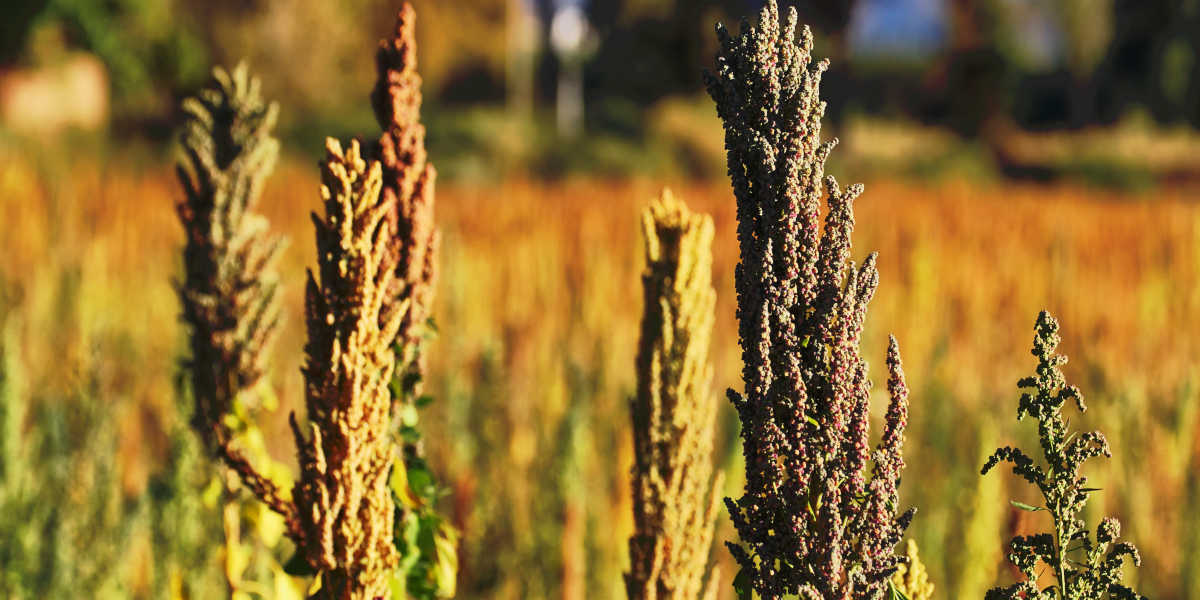
How is Quinoa Grown?
An annual plant from the Chenopodiaceae family, its name comes from the Quechua word Kinúwa or kínua. There are several species, with rhomboid-shaped leaves and tiny flowers clustered in bunches. Its tender leaves and seeds are plentiful and tiny—this is how the dictionary defines this ‘quasi-magical’ seed.
What some thought was a passing trend has proven to be truly beneficial and deserves a place in your everyday meals—just as it has been a staple food for the Andean peoples for 5,000 years and now, for millions worldwide.
Genetically related to vegetables like spinach, beetroot and chard, quinoa shares similarities with cereals in terms of its chemical and nutritional composition and how it’s cooked. That’s why it’s classified as a ‘pseudo-cereal’.
It’s cultivated in several varieties, distinguished by grain colour, inflorescence shape, nutritional value, and environmental requirements. Most production is concentrated in South America, with Bolivia, Peru, Colombia, Argentina, Chile, and Ecuador being the top producers.
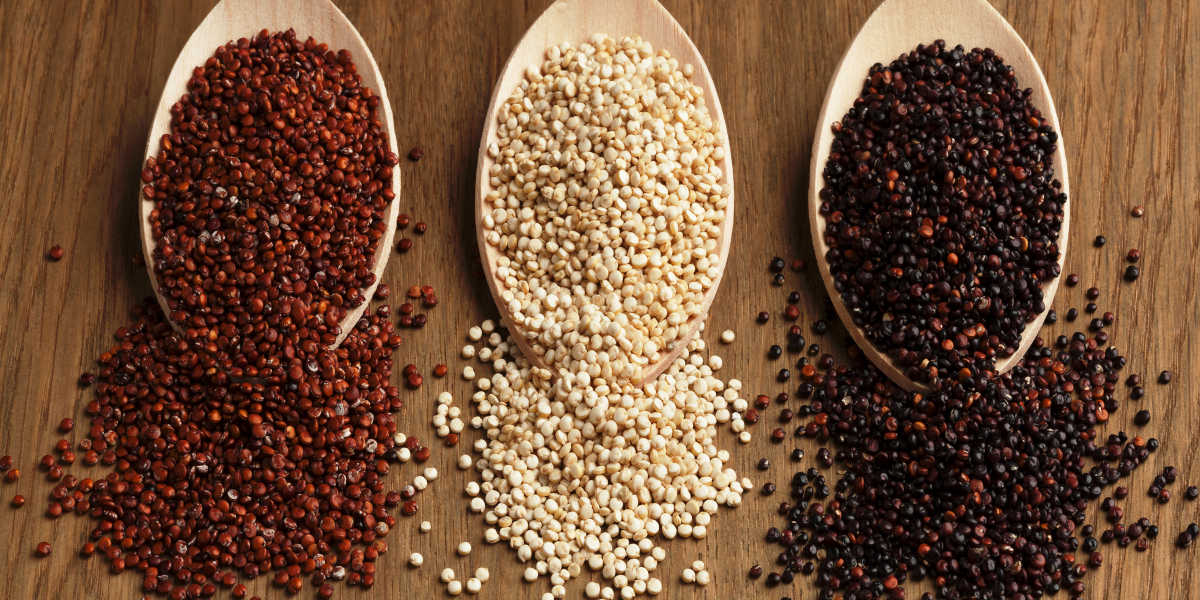
Types of Quinoa
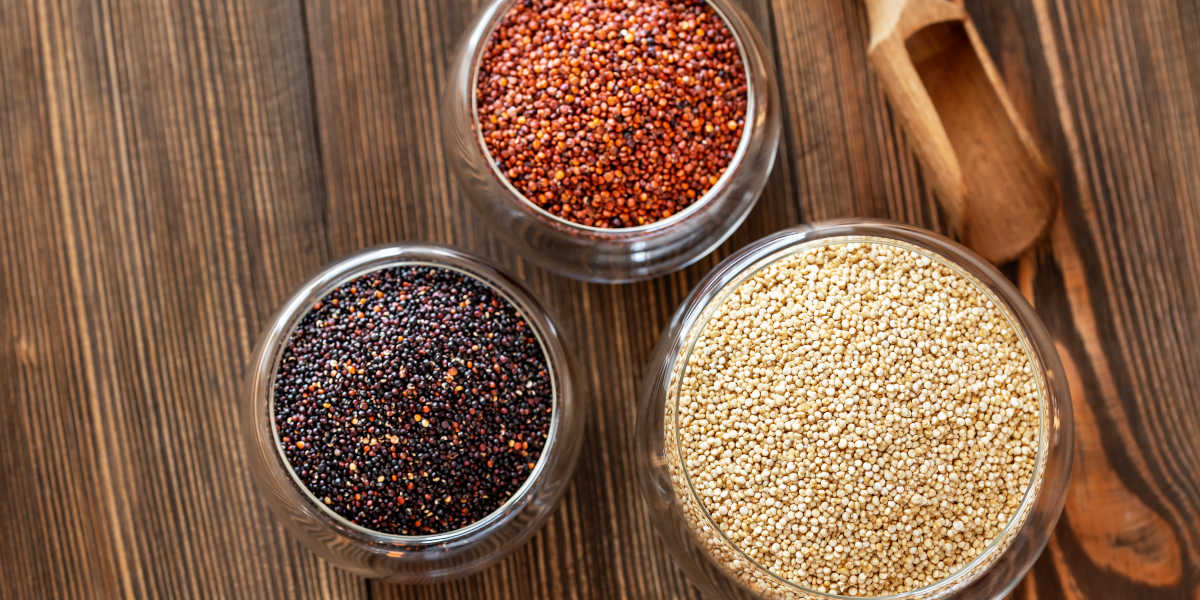
If you’re not yet familiar, let us introduce you to the three main types of quinoa grains. The most common is white quinoa, which is also the most commercially available. But don’t let that overshadow the red and black varieties—there are also orange and purple types.
Each variety offers slightly different nutritional properties, with unique tastes and textures.
- White quinoa has the most subtle taste and the lowest calorie count. It’s seen as a fantastic natural fat burner and also helps strengthen muscles and tissue. Its texture is light and fluffy.
- Red quinoa is the variety with the lowest fat content and the highest in carbohydrates, making it a perfect food for athletes, as it provides energy, strength, and endurance. Its flavour is more intense and it pairs well in salads with fruit and nuts.
- Black quinoa is ideal for boosting brain function, managing stress, and acting as an anti-inflammatory and healing agent. Its earthy flavour pairs wonderfully with dishes that include oats.
Nutritional Properties of Quinoa
This statement is backed up by the fact that quinoa’s nutritional profile surpasses that of any other cereal. Although it may look like just another grain, it’s actually a seed that contains all 9 essential amino acids required for protein synthesis.
| Quinoa | Maize | Rice | Wheat | |
| Energy | 399kcals | 408kcals | 372kcals | 392kcals |
| Protein | 16.5g | 10.2g | 7.6g | 14.3g |
| Carbohydrates | 69g | 81.1g | 80.4g | 78.4g |
| Fat | 6.3g | 4.7g | 2.2g | 2.3g |
Macronutrient comparison table per 100g
Highly Complete Protein Profile!
Most other cereals lack one or more essential amino acids, making them incomplete proteins that fall short of the body’s needs.
The amino acid that’s usually missing is lysine. For this reason, vegans and vegetarians are often advised to combine rice, cereals, and legumes to achieve a complete amino acid profile.
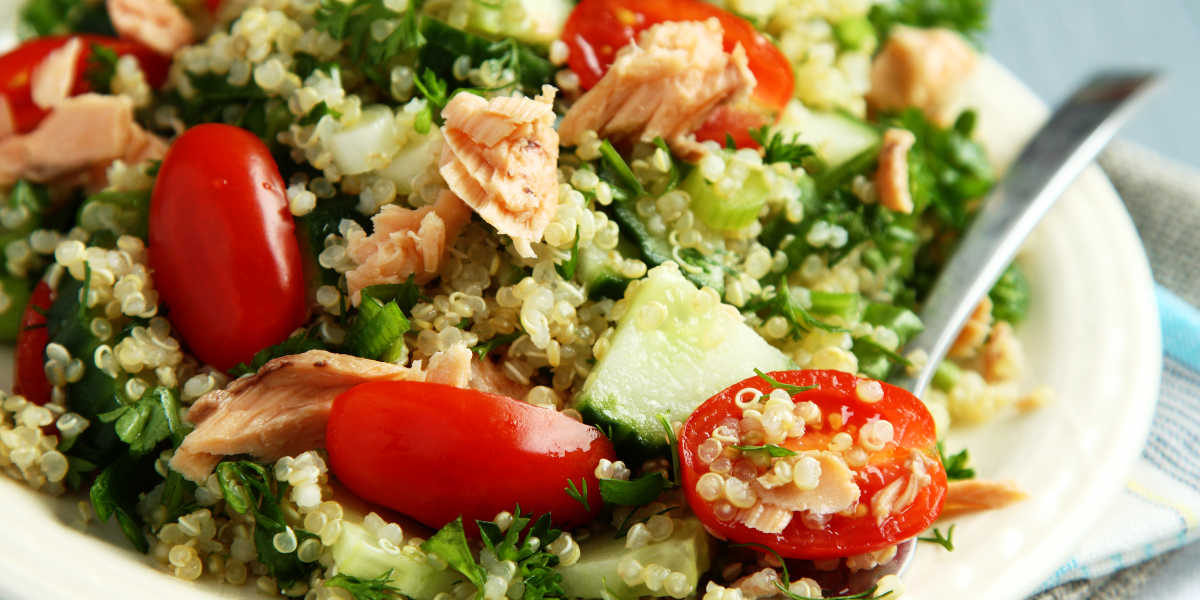
Quinoa contains proteins with a high biological value, thanks to its content of the essential amino acids lysine and methionine—the former is lacking in cereals and the latter in legumes. What does this mean? That quinoa has the ability to make up for the deficiencies of both food groups.
For example, quinoa’s protein content exceeds 15%, which is double that of rice.
| Amino acids | Quinoa | Maize | Rice | Wheat |
| Isoleucine | 4.9g | 4g | 4.1g | 4.2g |
| Leucine | 6.6g | 12.5g | 8.2g | 6.8g |
| Lysine | 6g | 2.9g | 3.8g | 2.6g |
| Methionine | 5.3g | 4g | 3.6g | 3.7g |
| Phenylalanine | 6.9g | 8.6g | 10.5g | 8.2g |
| Threonine | 3.7g | 3.8g | 3.8g | 2.8g |
| Tryptophan | 0.9g | 0.7g | 1.1g | 1.2g |
| Valine | 4.5g | 5g | 6.1g | 4.4g |
Amino acid comparison table per 100g
When it comes to vitamins and minerals, it’s more than abundant!
In terms of vitamins and minerals, quinoa stands out for its rich content of B-complex vitamins, mainly thiamine and riboflavin, as well as tocopherols and ascorbic acid. Added to this is its outstanding mineral profile, led by phosphorus, potassium, calcium, and magnesium.
| Minerals | Quinoa | Maize | Rice | Wheat |
| Calcium | 148.7mg (19% RDA) | 17.1mg | 6.9mg | 50.3mg |
| Iron | 13.2mg (94% RDA) | 2.1mg | 0.7mg | 3.8mg |
| Magnesium | 249.6mg (67% RDA) | 137.1mg | 73.5mg | 169.4mg |
| Phosphorus | 383.7mg (55% RDA) | 292.6mg | 137.8mg | 467.7mg |
| Potassium | 926.7mg (46% RDA) | 377.1mg | 118.3mg | 578.3mg |
| Zinc | 4.4mg (44% RDA) | 2.9mg | 0.6mg | 4.7mg |
Mineral comparison table per 100g
Healthy Fats: Omega 3 and Omega 6
When it comes to fats, it’s worth noting that 50% come from essential fatty acids Omega 3 and Omega 6. This is largely due to its high vitamin E content, which preserves these essential fats, acting as a natural antioxidant.
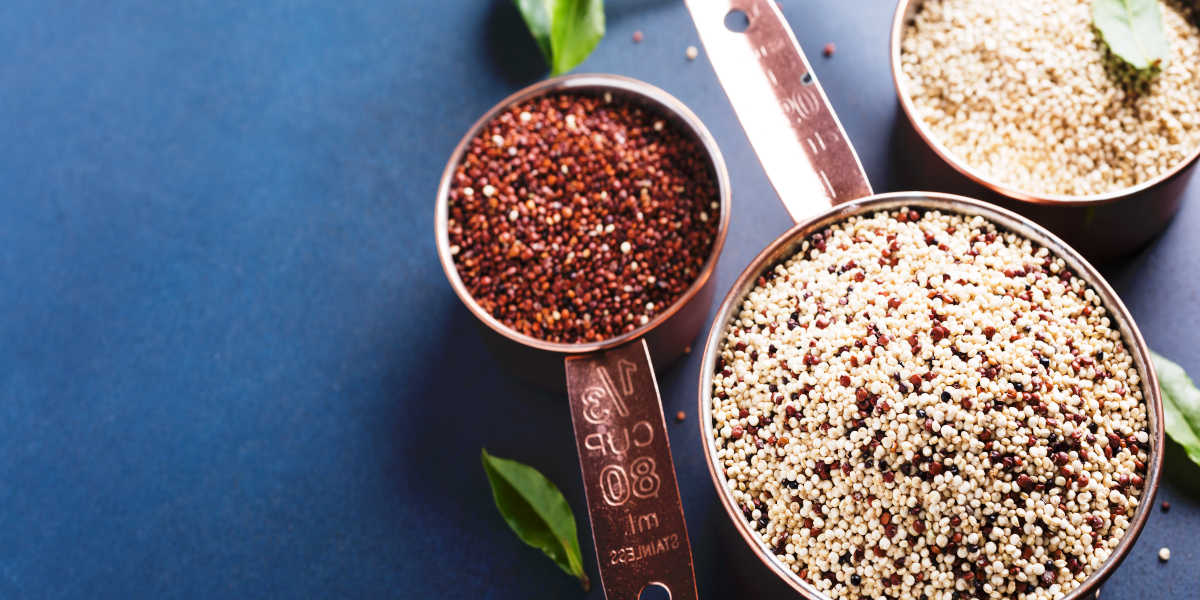
As for fibre, it contains up to 15%, which, being a seed, is insoluble. This means it’s resistant to microbial fermentation in the gut.
Who is Quinoa Recommended For?
First of all, it’s safe to say that quinoa is highly recommended for everyone. That said, there are certain situations where it can make a real difference in your diet.
One of this superfood’s greatest advantages is that it’s gluten-free, which means it’s perfectly suitable for coeliacs and can help meet many of their dietary needs.
Its low glycaemic index also makes it suitable for people with diabetes, as its carbohydrates come mainly in the form of starch, which is digested slowly, avoiding sharp spikes in blood sugar. This explains why its popularity is spreading like wildfire among different groups.
On top of that, its omega-3 and omega-6 content helps regulate cholesterol levels. These fatty acids also aid intestinal transit, making quinoa beneficial for vegetarians due to its high-quality protein and iron content.
How to Cook Quinoa – Get the Most Out of It!
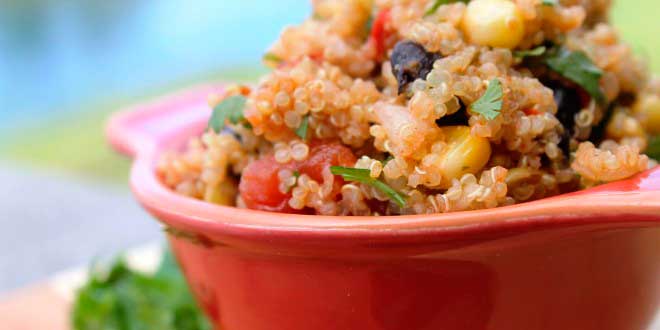
It can be used in a wide variety of dishes, from savoury meals to elegant sweet desserts, making it a versatile ingredient for any mealtime.
To cook it properly, use a 3:1 water-to-quinoa ratio. Simmer the mix for about 15 minutes until the grains become translucent and double in size with a slightly crunchy texture. Drain the excess water and your quinoa is ready to be added to any dish.
Beyond the grains, you can also eat quinoa leaves, harvested before the flower head forms. These leaves are high in protein too.
As if quinoa weren’t already a ‘plant-based gem’, it also offers endless culinary possibilities. We recommend trying it in:
- Warm or cold quinoa salads
- Quinoa and clam soup
- Quinoa and chicken salad
- Salad with quinoa, goat’s cheese, green asparagus tips, sun-dried tomatoes, and black olives
- The traditional P’esque, made with unsalted cooked quinoa, milk, or grated cheese
Pre-washed quinoa grains are also available. To store them properly, keep them in airtight containers, away from light, heat, and humidity, to preserve them for months.
Don’t wait—visit HSN’s online shop and grab the best quinoa products. Click here now.
Quinoa Recipes – Truly Delicious!
Quinoa recipes are gaining popularity fast. If you haven’t tried it yet, we want to tempt you—although to be fair, this product practically sells itself with its amazing qualities.
Fancy giving these tasty recipes a try?
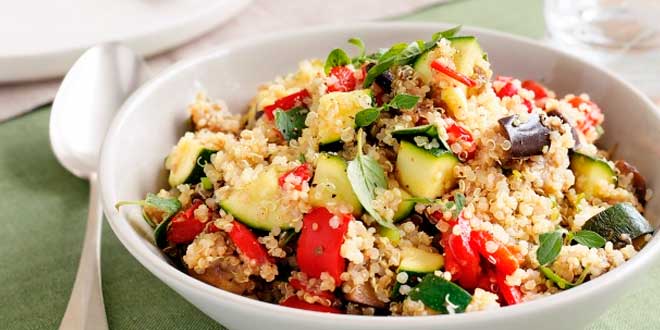
Chickpea and Quinoa Salad
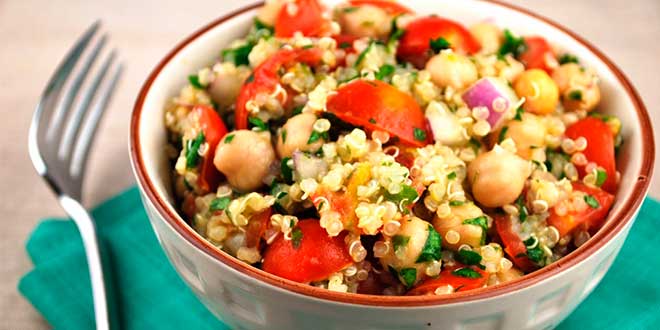
Ingredients
- 3 big asparagus, clean and cut in 2cm bits
- ½ courgette cut in half-moon shape
- 1 small red onion, peeled and cut in slices
- 1 spoonful of extra virgin olive oil
- 2 branches of fresh thyme
- Salt and pepper
- 80g of quinoa
- 1 ¼ spoonful of lemon juice
- 1 spoonful of raisins
- 1 spoonful of pine nuts
- 100g of washed and boiled chickpeas
- A handful of fresh parsley
| Nutritional Information per serving | |
|---|---|
| Calories: | 611,7kcal |
| Fat: | 20,5g |
| of which saturates: | 2,8g |
| Carbohydrates: | 88g |
| of which sugars: | 19g |
| Fiber: | 3g |
| Proteins: | 18,8g |
| Salt: | 4g |
How to make: Quinoa and Chickpea Salad
| Preparation time: | 10 minutes |
| Cooking time: | 20 minutes |
| Portion size: | 1 Bowl |
| Number of servings: | 1 |
| Cooking style: | American |
- Pre-heat the oven at 200ºC.
- Mix the vegetables with the oil, thyme, salt and pepper in a baking mold. Put it in the middle tray of the oven and cook it for 15-20 minutes or until the veggies are soft.
- In the meantime, cook the quinoa according to the instructions in pre-cooked stock or water. Turn off the heat when you think it is properly cooked and smooth. Strain it.
- Once the veggies are ready, add the quinoa to the rest of veggies while they are still hot.
- Add the lemon juice, raisins and pine nuts. Add a little bit of extra virgin olive oil once again, add the cooked chickpeas and the parsley
- Mix everything until it is well combined and add salt or pepper according to taste. You can also add other vegetables such as red pepper or tomato.
Check Out More Ideas!
Know its origin - 100%
Properties - 100%
High Protein Content - 100%
How to cook - 100%
Recipes - 100%
100%