Fitness, Nutrition, Health and Sports Blog In the HSNstore Blog you will find tips about Fitness, sport in general, nutrition, and health – HSNstore.com

Have you ever wondered if you’re getting enough protein for your goals? For years, official recommendations have stayed pretty basic.
In this guide, we’re updating those ideas so you can learn how to calculate your ideal amount precisely, based on current sports nutrition science.
The end of the myth: why 0.8 g/kg is outdated
Traditionally, organizations like the WHO have suggested a recommended daily allowance (RDA) of 0.8 – 1 gram of protein per kilo of body weight.
But here’s the catch: that number is the minimum to avoid illness, not the optimum for performance, muscle gain, or even healthy fat loss. If you’re active, sticking to that old recommendation is probably holding back your results and muscle recovery.
How to calculate your protein for both sexes
Unlike what was believed before, protein needs don’t depend on whether you’re male or female, but on your body composition and physical activity level.
The basic formula:
Body Weight (kg) x Activity Factor = Grams of Protein per day
How to choose your “Activity Factor”?
Depending on your lifestyle, the multiplier varies. Here are the updated ranges:
- Sedentary life / Minimal activity: 1.2 – 1.4 g/kg.
- Endurance athletes (Running, Cycling): 1.4 – 1.8 g/kg.
- Strength / aesthetic training (Gym): 1.8 – 2.2 g/kg.
- Elite athletes or double training sessions: Up to 2.5 g/kg.
? Quick calculation example
To make it clear: if you weigh 70 kg and do weight training, your ideal range is between 1.8 g and 2.2 g.
- Calculation: 70 kg x 1.8 (minimum) and 70 kg x 2.2 (maximum).
- Result: You need between 126 g and 154 g of protein per day.
Lean mass vs total weight
A common mistake we’ve corrected from previous versions is calculating protein based only on scale weight. If someone has a high fat percentage (overweight), calculating on total weight would give an excessive number.
The ideal is to calculate based on your lean mass (weight without fat):
- Estimate your body fat percentage.
- Subtract it from your total weight to get your lean mass.
- Apply the activity factor to that number.
? Example: If you weigh 80 kg with 20% fat, your lean mass is 64 kg. If you do strength training, your calculation would be 64 kg x 2.0 g = 128 g of protein.
Sound complicated? If you don’t want to do the math yourself, you can use our macro calculator. Just enter your data and it’ll do all the work for you, giving you the exact grams of protein, fats, and carbs you need.
Summary table of goals
For quick reference, use this table as a general guide:
| Goal / Profile | Recommended intake (g/kg) |
|---|---|
| Maintenance (General health) | 1.2 – 1.5 g |
| Muscle mass gain | 1.8 – 2.2 g |
| Fat loss (Muscle protection) | 2.0 – 2.4 g |
| Older adults (Sarcopenia prevention) | 1.2 – 1.6 g |
Struggling to hit your daily protein needs?
Getting 150 g or 200 g of protein a day just from solid foods can be tough on your digestion and your wallet. A practical, quality boost is key to not falling short.
? Whey proteins: The most versatile option with the best amino acid profile.
? Vegan proteins: Top quality from plant sources for those looking for a dairy-free alternative.
Does protein make you gain fat?
It’s important to remember protein has calories: 1 gram of protein provides 4 calories.
Although it’s the most filling nutrient and has the highest thermic effect (your body burns more energy digesting it), a massive excess beyond your total calorie needs can also be stored as fat. The key isn’t “the more, the better,” but finding your optimal range.
Protein food sources
Protein-rich foods are an important part of a healthy, balanced diet. Protein is an essential component of all body cells and crucial for building muscle mass and burning fat.
Discover the best protein sources to include in your daily diet.
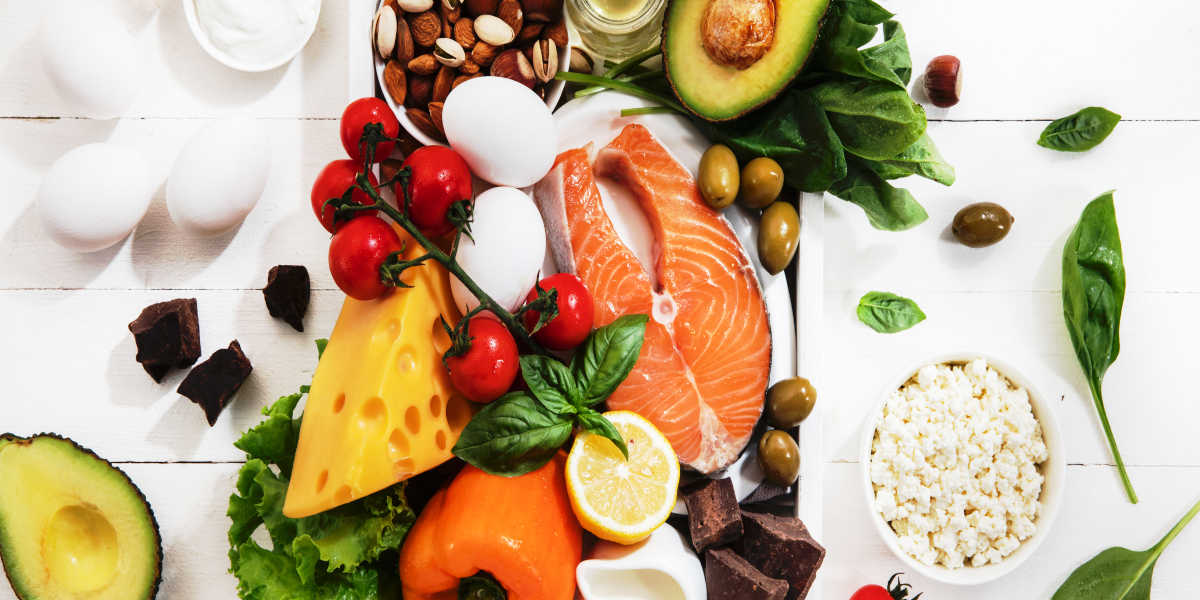
Natural sources of proteins, fats, and carbohydrates. Include them in your daily diet.
How can we meet our goals? Keep a balanced diet. Don’t know how? It’s easy. Include all macronutrients (protein, fats, and carbs) from the widest variety of sources.
Find the ideal protein for your goal at HSN
At HSN, we know every gram counts. That’s why we develop formulas based on the scientific evidence you just read, with maximum purity and market-leading flavors.
References
- Tipton KD1, Wolfe RR. Protein and amino acids for athletes. J Sports Sci. 2004 Jan;22(1):65-79.
Related posts:
Two excellent guides that cover the 2 possible cases for improving Body Composition:
If you haven’t cooked your Whey yet, what are you waiting for?!
- Shake recipes with Evowhey Protein from SportSeries: https://www.hsnstore.eu/blog/fitness-recipes/sweet/protein-shakes-with-evowhey-from-hsn-sports/
And to finish, another interesting question: