 Fitness, Nutrition, Health and Sports Blog In the HSNstore Blog you will find tips about Fitness, sport in general, nutrition, and health – HSNstore.com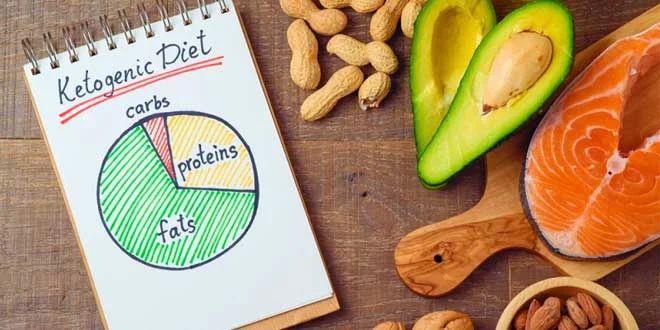

Lots of people follow the Keto Diet thinking it works. Let’s break down if that’s really the case
Lately, the keto diet seems to be gaining more popularity. Translated to English as the ketogenic diet, this diet is high in fats, low in carbs, and keeps protein levels sufficient.
Even though it’s only now getting a lot of buzz, it was discovered years ago that epilepsy patients improved their physical condition when fasting. That’s when a low-carb, low-fat diet was used to mimic the fasting state in the body.
Keto Diet for Fat Loss
Regarding fat loss, we’re still waiting on more conclusive studies to see if there’s really a difference in effectiveness between low-fat, high-carb diets and high-fat, low-carb diets (both keeping protein levels enough to prevent muscle loss).
So far, the most important factor that determines the success of weight loss diets has been sticking to the diet.
Being able to maintain a small calorie deficit over time so fat loss actually happens
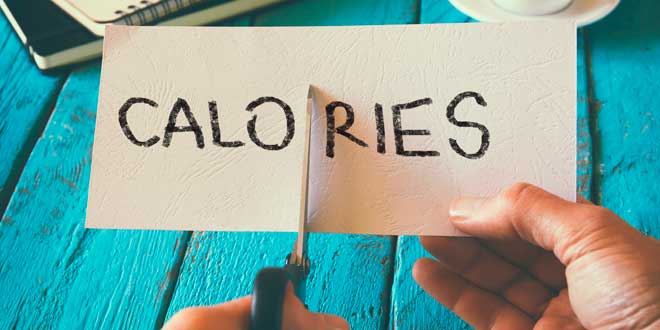
With studies showing mixed results, the theory of a prolonged calorie deficit remains the real key to seeing results.
Let’s see why this type of diet works so well
Why Does the Keto Diet Work?
On a keto diet, with low carb levels, our body taps into its body fat stores to get the energy it needs
When we eat carbs (fruit, veggies, cereals, sugars, starches), our blood glucose rises and the body works to bring it back down to an optimal level.
When it senses this, it sends a signal to release insulin, whose job is to trap this glucose and send it to different parts of the body to be used.
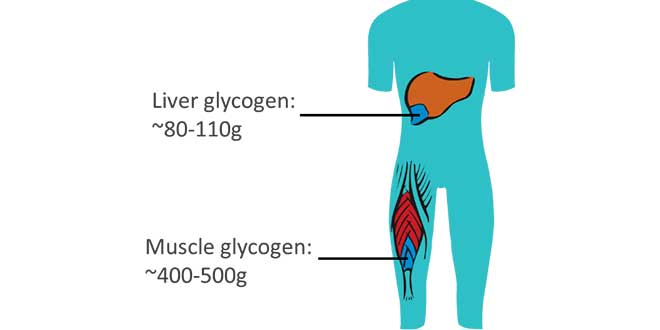
Glycogen stores
First, it sends glucose to the liver, which stores it as glycogen in case it’s needed later.
It also distributes the excess to the muscles so they can use it as energy
When these stores are full and can’t hold more glycogen, the excess is stored as fat in our cells.
That’s why we gain weight when carb intake exceeds our needs.
Hepatic Glycogen
The liver’s glycogen store is used to cover the rest of the body’s needs. Muscle stores are for when we exercise.
Glucose is the first source the body turns to for energy, but we have a limited amount stored, so this isn’t a sustainable strategy because we either have to eat constantly or quickly deplete our stores.
Fat as Energy
On the other hand, with a low-carb diet, the body is forced to use other resources as energy. Once glycogen stores are depleted, the body switches to fat stores.
The fat consumed in the diet along with stored fat turns into ketones, and that’s when the body adapts to using this energy source instead of glucose.
Keto Diet and Appetite Control
Our hormones constantly send signals when they detect certain levels of what they’re designed to regulate. For example, high insulin levels in the blood trigger hunger signals to the brain, boosting appetite.
When following a keto diet, blood glucose and insulin levels are much better controlled.
That’s why a key benefit is the reduction in hunger sensation
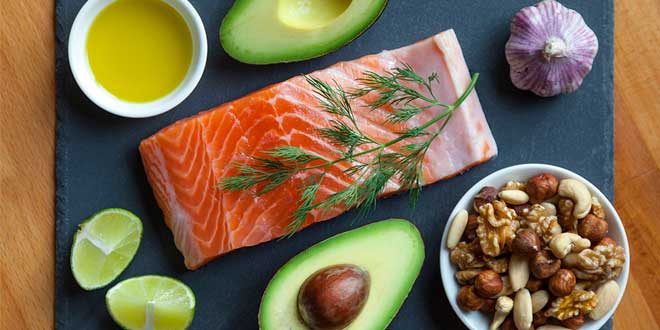
This is crucial for a weight loss diet to succeed
Difference Between Ketosis and Ketoacidosis
These two terms are often confused but they’re not the same
When we say the keto diet puts us in a state of nutritional ketosis, we mean the body is burning fat because it uses ketones as the main fuel.
This is very different from ketoacidosis, a dangerous condition found in diabetics where both glucose and ketone levels in the blood rise dangerously.
Related Posts
- Does Muscle Mass Decrease on the Keto Diet?
- Which Foods Are Allowed on the Keto Diet?