Fitness, Nutrition, Health and Sports Blog In the HSNstore Blog you will find tips about Fitness, sport in general, nutrition, and health – HSNstore.com

Surely when you’ve done a Ketogenic Diet and “entered” ketosis, you’ve wondered if there are supplements that can help you during this super restrictive phase with certain foods (all those high in carbs) and if so, which ones would be ideal
With this post, we’ll try to clear that up.
It’s true that getting into ketosis is pretty “simple” (I put it in quotes because not everyone can give up carbs), you just need to lower your total carb intake below 30-50 g per day.
Doing Ketosis for health
Sometimes ketosis is done for health goals, like improving cognitive function, which is a benefit of the ketogenic diet and gets even better if you take an Omega 3 oil supplement, or weight loss, which is boosted if you use supplements with medium-chain triglycerides (MCT).
Are supplements necessary in ketosis?
The first thing to understand is that when you enter ketosis, your body transforms by changing its basic metabolism
Here are the changes we go through:
- The main energy source before entering ketosis is by default glucose, which comes from the carbs we eat in our diet.
- When starting a very low-carb diet, that main energy source gets compromised.
- The body switches metabolism and starts using an alternative energy source: fat.
- Then ketogenesis begins: the gallbladder and liver release stored fats and, along with fat intake, convert these fats into ketones, which are the alternative energy fuel for our body.
- We go from being “machines” powered by carbs to powered by fat, a change that can cause your body to experience different issues until it fully adapts.
Problems when starting ketosis
Keto flu
Keto flu is usually caused by a lack of minerals during the transition to ketosis, since as cells deplete glycogen stores, water is lost (remember that for every gram of muscle glucose, 3-4 g of water is stored) and with it, some important electrolytes are dragged out.
Micronutrient gap
To enter ketosis, you have to follow a very low-carb diet, which means fruits and starchy veggies must be restricted as much as possible, and at that initial stage, the body might not be able to get vitamins and minerals from other sources until it fully adapts.
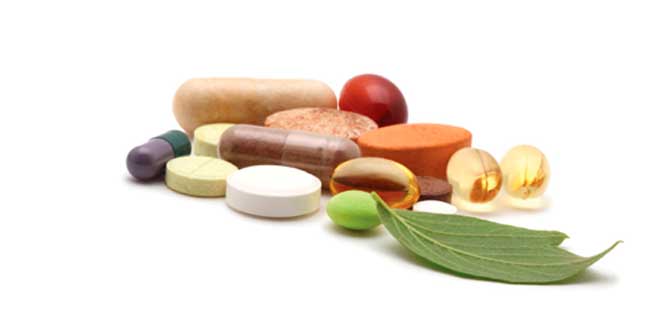
The best supplements to use in ketosis
Considering the above points, here are the supplements that can help you in ketosis:
Sodium
Keeping sodium levels balanced in the body is super important for nerve and muscle function. Sodium’s ability to retain water is also essential to maintain a balance of other electrolytes.
Magnesium
Magnesium deficiency is very common, especially in people eating low carbs, like on a ketogenic diet. The best way to know if you’re low on magnesium is to get a blood test, but muscle cramps or chronic fatigue are often signs of magnesium deficiency.
Calcium
Everyone thinks calcium’s only job is to keep bones strong, but it’s also responsible for proper blood clotting and muscle contraction.
Vitamin D
Vitamin D helps the body absorb calcium, magnesium, and other minerals, and is needed to maintain muscle strength and growth, bone density, healthy testosterone levels, and to support immune and cardiovascular health.
Medium-chain triglycerides (MCT)
MCTs are a type of fat the body can use for immediate energy instead of storing it as fat. But the best thing about them in ketogenic diets is that they help produce ketones, which are needed to maintain ketosis, and they’re a more efficient energy source than glucose.
Omega 3
Omega 3 helps maintain good cardiovascular and brain health, and there are three types of omega-3 fatty acids:
- EPA: eicosapentaenoic acid
- DHA: docosahexaenoic acid
- ALA: alpha-linolenic acid
Fish oil provides EPA and DHA, while ALA is found in plant foods like walnuts, vegetable oils, and chia seeds. Our body can convert ALA into EPA and DHA, but the conversion rate is very low, so it’s better to use supplements with EPA and DHA.
While the keto diet can naturally contain omega-3, many keto foods also have a high omega-6 content, which can cause inflammation if consumed in excess. Most people eat too much omega-6 and not enough omega-3, when ideally the ratio should be close to 1:1.
Benefits of Omega 3
Omega-3 is crucial for brain and heart health in many ways, so using omega-3 supplements can help:
- Fight inflammation in the body
- Ease symptoms of depression.
- Lower blood triglyceride levels (high triglycerides are linked to higher cardiovascular disease risk).
- Reduce body fat and BMI.
It’s true that if you eat wild, fatty, good-quality fish like sardines, salmon, and mackerel, tons of leafy greens every day, and grass-fed beef, your omega-3 intake would be more than enough, but that’s not usually the case.
L-Glutamine
The low-carb nature of the ketogenic diet reduces fruit and vegetable intake, which are rich sources of antioxidants important for fighting free radicals formed in the body, and L-glutamine is an amino acid that also acts as an antioxidant, so supplementing it can provide good extra support to fight cell damage.
Intense exercise can greatly reduce glutamine stores, so it’s an excellent option for anyone doing very intense workouts, which can naturally lower glutamine reserves.
Collagen
Collagen makes up 30% of the total protein in our body, helping hair, nails, and skin grow and stay healthy, and it can even heal intestinal permeability.
The problem with taking a collagen supplement regularly is that it can kick you out of ketosis.
Spirulina
Spirulina is a blue-green algae that contains all the amino acids our body needs, making it a super complete protein, plus it has potassium, iron, magnesium, and other nutrients, and also has antioxidant properties.
Chlorella
Chlorella is another type of green algae, very useful in the early stages of ketosis if you experience fatigue, as it contains the phytonutrient CGF (Chlorella Growth Factor) which has RNA and DNA that can help boost energy transport between cells.
Dandelion
The big increase in fat intake at the start of the ketogenic diet can cause digestive discomfort in some people, which can be countered by supplementing with dandelion that helps stimulate bile production in the gallbladder.
Dandelion promotes better digestion and absorption of fats
Turmeric
If you don’t use high-quality meats and dairy products in the ketogenic diet, inflammation can occur, so taking turmeric is interesting for its anti-inflammatory function.
References
- The Interplay between Magnesium and Testosterone in Modulating Physical Function in Men. Marcello Maggio, Francesca De Vita, Fulvio Lauretani, Antonio Nouvenne, Tiziana Meschi, Andrea Ticinesi, Ligia J. Dominguez, Mario Barbagallo, Elisabetta Dall’Aglio and Gian Paolo Ceda1 International Journal of Endocrinology. Volume 2014, Article ID 525249, 9 pages
- Dietary Reference Intakes: Calcium, Phosphorus, Magnesium, Vitamin D and Fluoride. Food and Nutrition Board. Institute of Medicine (IOM). Washington, DC: National Academy Press, 1997.
- The Relationship between Vitamin D and Muscle Size and Strength in Patients on Hemodialysis. Patricia L. Gordon, PhD,1,4 Giorgos K. Sakkas, PhD,2,3 Julie W. Doyle, MS,4 Tiffany Shubert, MS, PT,4,5 and Kirsten L. Johansen, MD2,6 J Ren Nutr. Author manuscript; available in PMC 2008 Nov 1.
- The importance of the ratio of omega-6/omega-3 essential fatty acids. The Center for Genetics, Nutrition and Health, Washington, DC 20009, USA. cgnh@bellatlantic.net. Biomed Pharmacother. 2002 Oct;56(8):365-79.
- n-3 fatty acids and serum lipoproteins: human studies. Harris WS1. Am J Clin Nutr. 1997 May;65(5 Suppl):1645S-1654S. doi: 10.1093/ajcn/65.5.1645S.
- Plasma triglyceride level is a risk factor for cardiovascular disease independent of high-density lipoprotein cholesterol level: a meta-analysis of population-based prospective studies. Hokanson JE1, Austin MA. J Cardiovasc Risk. 1996 Apr;3(2):213-9.
- Fish oil supplementation alters circulating eicosanoid concentrations in young healthy men. Zulyniak MA1, Perreault M, Gerling C, Spriet LL, Mutch DM. Metabolism. 2013 Aug;62(8):1107-13. doi: 10.1016/j.metabol.2013.02.004. Epub 2013 Mar 21.
- A Randomized Trial of a Low-Carbohydrate Diet for Obesity. Gary D. Foster, Ph.D., Holly R. Wyatt, M.D., James O. Hill, Ph.D., Brian G. McGuckin, Ed.M., Carrie Brill, B.S., B. Selma Mohammed, M.D., Ph.D., Philippe O. Szapary, M.D., Daniel J. Rader, M.D., Joel S. Edman, D.Sc., and Samuel Klein, M.D. The New England Journal of Medicine
- A systematic review and meta-analysis of the impact of Spirulina supplementation on plasma lipid concentrations. Serban MC1, Sahebkar A2, Dragan S3, Stoichescu-Hogea G3, Ursoniu S4, Andrica F5, Banach M6. Clin Nutr. 2016 Aug;35(4):842-51. doi: 10.1016/j.clnu.2015.09.007. Epub 2015 Sep 25.
- Studying the organization of DNA repair by single-cell and single-molecule imaging. Stephan Uphoffa and Achillefs N. Kapanidisb. DNA Repair (Amst). 2014 Aug; 20(100): 32–40.
Related Posts
- Forbidden foods in ketosis?
- Ketosis: Is muscle mass lost?
- High Fat, Low Carb Diet for Weight Loss