 Fitness, Nutrition, Health and Sports Blog In the HSNstore Blog you will find tips about Fitness, sport in general, nutrition, and health – HSNstore.com

Watch out for Miracle Diets!
We never learn! Every year it’s the same story. Summer arrives, the heat, and clothes cover less and show more… Insecurities and rush kick in. That’s when, in this weak moment, we get fooled by those miraculous express diets for the bikini.
Lose Weight Fast
How many people do you know who have tried a diet that seems like magic and makes them lose a lot of weight, only to see later how they regained the lost weight? Or even worse… they gained more weight than they had before starting the diet.
We all know how tough it can be to lose weight… We also know that with effort and hard work, you can achieve it and live free from that burden you carried.
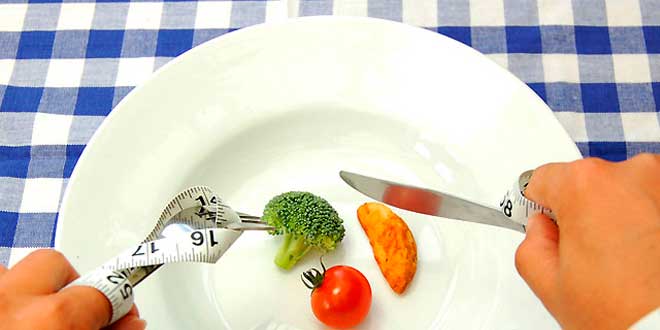
But are you aware of the metabolic damage you face if you follow an extreme diet?
Among this “metabolic damage”, women suffer a lot more, with cases like loss of menstruation…
What happens to your body on an extreme diet?
Being on a wrong, unbalanced, low-calorie diet for a long time can lead to this metabolic damage.
Once the damage is done, the body slows down. This means it’s harder to maintain your current weight. You enter a constant struggle because when metabolism slows, it’s very easy to gain weight.
If your body starts burning 500 kcal less per day, you’ll have to make an extra effort to prevent those 500 kcal from piling up and making you gain weight
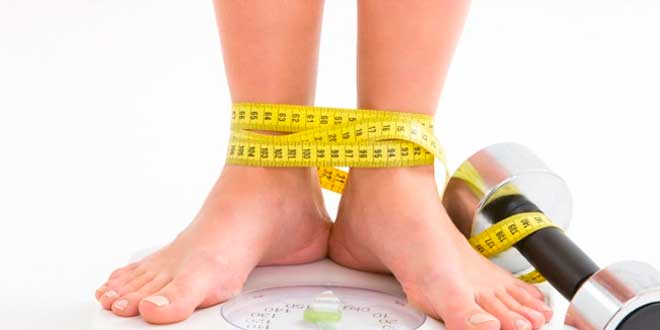
Whether by exercising even more or eating even less
Low leptin levels
Another downside of these extreme diets is the leptin level. This hormone controls hunger; if levels are low, hunger increases.
With this kind of diet, it’s easy to feel hungrier and have cravings
How to avoid a drop in basal metabolism?
Basal metabolism is the calories your body burns at rest to carry out its vital functions. After an extreme diet period, this metabolism often decreases.
Like with most things, prevention is the best cure. Don’t take the calorie factor lightly, and don’t get influenced by info you see online about quick weight loss diets.
Honestly, the words “diet” and “quick” in the same sentence don’t sound very convincing
Falling into the trap of drastically cutting calories and doing hours and hours of cardio will inevitably lead to problems.
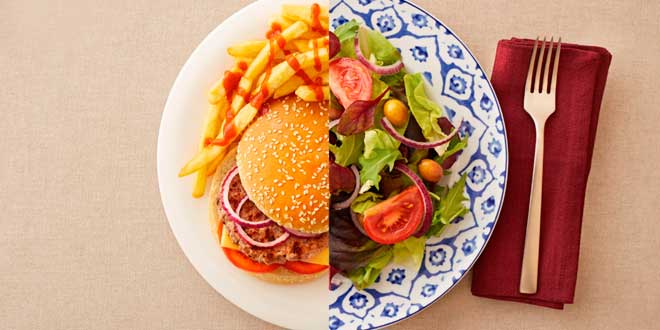
A diet should be a lifelong plan, sustainable, and allow you to maintain healthy habits. Forget about starting any diet you know will have an expiration date
8-Hour Diet
It’s promoted as a diet: simple and effective, letting you eat whatever you want. Sounds good, right?
The idea of losing weight without struggles or sacrifices because you can eat whatever you want is, at least, a great incentive to want to know more.
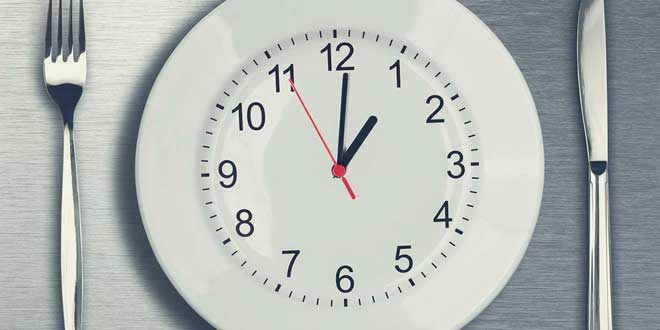
In this diet, for three days you can only eat within an 8-hour window. The other 16 hours your body fasts. Seen like this, it’s not a bad idea; it’s basically intermittent fasting but eat whatever you want?
That’s the catch in the diet’s wording.
They say “you can eat whatever you want, although refined carbs like sugar, bread, or pasta are discouraged.
But if you’re desperate to have them, you can as long as you combine them with an energy food, for example a fat burner (dairy, chicken, lentils, etc.) or with healthy foods (vegetables, whole grains, or oats).”
Montignac Diet
Its creator, Frenchman Michel Montignac in 1944, promotes it as ideal for people who don’t handle food quantity restrictions well. Again, this diet is praised as a very simple concept: eat everything, as long as you combine it properly.
This time the diet’s condition changes; it’s not about hours but the food combinations you mix in each meal, without quantity limits.
Its rule for losing weight: don’t mix carbohydrates and starches (bread, potatoes, pasta, rice, corn, cereals, flours, and legumes) with proteins (meats, fish, seafood, eggs, milk, yogurts, and cheeses) or fats in the same meal.
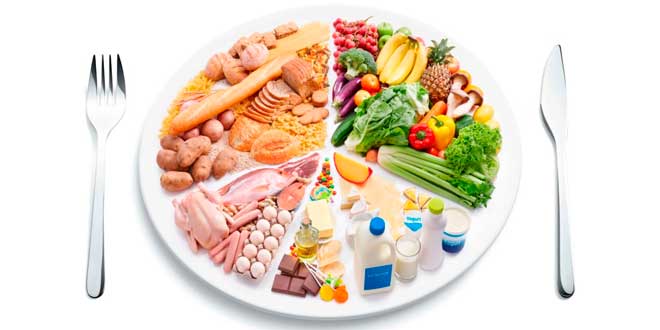
Only a small number of foods are forbidden, most are allowed as long as you follow the rule.
They also say it lets you lose between 1 and 2 kilos per week.
In reality, no matter how you mix foods, even if you only eat from one group, if you eat without limits how are you going to lose weight?
IIFYM Diet
It stands for “if it fits your macros”.
The idea is that with a prior study to know how many carbs, proteins, and fats you should consume daily, you can eat any type of food as long as you stay within those numbers.
However, this food flexibility shouldn’t be taken lightly…
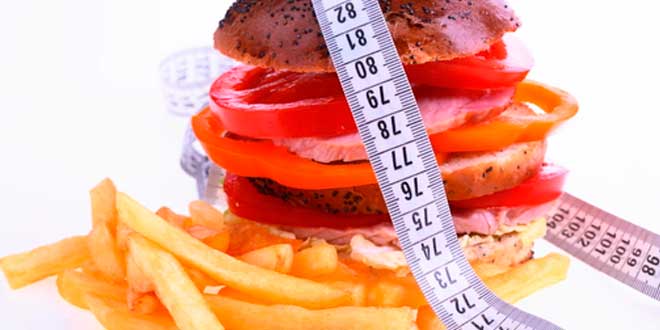
The mistake is that consuming ‘x’ amount of carbs regardless of their source won’t give you good health results, and that’s why anyone following it might have “free rein” to consume any type of these nutrients.
It’s not the same for your body to eat foods that are mainly refined sugar as it is to eat fruit or vegetables. The same goes for carbs and the other diet groups. The quality of the food you eat does matter.
Detox Diet
Another business with not much scientific basis.
This 7-day diet version is based on only consuming pre-made juices mainly from fruits and vegetables. The idea is that the body needs to purify because we poison it with food.
The reality is, the body has enough mechanisms to get rid of what it doesn’t need, and it doesn’t need a detox process

Going so many days without eating whole foods and chewing makes no sense beyond weight loss, regardless of the quality of the weight lost
With such low calorie intake, it’s normal you won’t be able to do even minimal physical activity, and when you finish these 7 days and return to normal eating, you’ll likely regain all the weight or more due to the bingeing caused during those days.
It’s hard to believe there’s a diet that doesn’t require any change in your eating habits and will get you far. Because we have to understand that a diet isn’t something you do for a few days, but something you try to do for life.
So, it’s important to find the formula that’s most complete and healthy.
Extreme diets: 3 tips to avoid them
Don’t rush
Keep in mind you’ll need time. If it’s not weight you gained in 1 month, don’t expect to lose it in 1 month. Give yourself the time you need because the most important thing isn’t the weight itself, but that you make a change to gain health.
Remember, our body doesn’t like sudden changes, especially related to weight
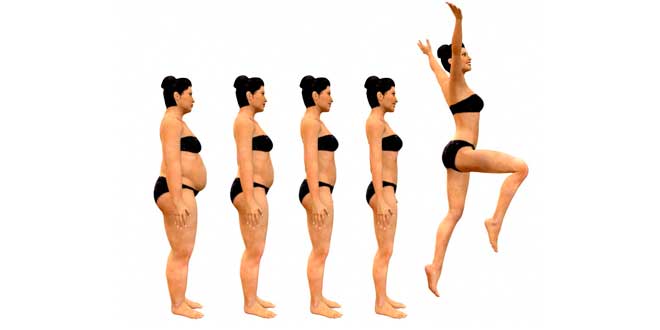
Better to go step by step, no rush but no pause!
Reduce calories progressively
DON’T drastically cut calories from your diet. Think long term. Start introducing healthy changes in your eating that last forever.
And don’t just follow a diet with an end date
It’s not about cutting out a nutrient, like carbs, or limiting them to a time window. It’s about adjusting calorie intake based on your expenditure.
Not every day do we “burn” the same, since we do different exercises, so energy consumption can be balanced this way: have high-calorie days matching harder sessions, and low-calorie days for lighter or rest days.
Less cardio and more weights
Exercise is key to staying strong and healthy, but don’t make the mistake of spending hours doing the typical “cardio.” It’s important to build muscle tone while increasing calorie burn through exercise.
Add strength training to your plan and you’ll see the difference

Though it may seem controversial, the real activity that keeps your metabolism fired up is training under tension, that is, training with weights or resistance
Types of Cardio
Cardio here helps create a bigger deficit. Also, within this activity, we should differentiate two types:
- Steady-State Cardio, where you work at a low intensity for a longer time. It’s a resistance activity supporting oxidative substrate.
- Interval Cardio, where you do high-intensity intervals followed by low-intensity recovery intervals. This type helps maintain muscle mass. It’s based on the glycolytic-ATP substrate.
Related Posts
- Paleo Diet: Everything You Need to Know
- Skipping the Diet on Vacation
- Myth: More Cardio to Lose Fat