Fitness, Nutrition, Health and Sports Blog In the HSNstore Blog you will find tips about Fitness, sport in general, nutrition, and health – HSNstore.com

Protein-rich diets, especially based on the popular Whey protein, are the subject of growing interest and debate. High-protein diets are often blamed for alleged kidney damage and other health problems.
- There are many myths surrounding high-protein diets. Several studies have disproved this.
- Some scientists argue that a diet rich in protein is highly recommended.
- Reducing protein intake does not prevent age-related kidney deterioration.
Can high protein intake really damage the kidneys?
The kidney performs the essential task of filtering the blood and removing toxins. Its ability to purify approximately 180 litres of blood per day makes it one of the most active and essential organs for general well-being.
Given their vital role, questions arise about how dietary factors, such as protein intake, may impact their health.
It does not alter renal functions
In this study, Poortmans JR evaluated the effect of an intake of 2.8g protein/kg body weight in individuals.
Although this figure considerably exceeds the daily recommendation of 0.8g/kg, it was found that, although there was an increase in certain markers such as uric acid, renal function remained significantly unchanged.
Limiting their consumption does not prevent senile renal decline.
In a detailed review, Walser proposed that limiting protein intake does not necessarily prevent age-related kidney decline.

On the other hand, he noted that in certain contexts, it may be beneficial to increase consumption.
There is no link between a protein diet and renal impairment in women.
In a longitudinal study, Knight EL assessed the relationship between protein intake and kidney health in 1624 women over a decade. Although no direct relationship was found between high protein intake and renal impairment in women with healthy kidneys, the need for caution with non-dairy animal protein in those with mild renal impairment was highlighted.
Conclusions
To sum up, while it is true that excessive protein intake may not be suitable for everyone, protein, including WHEY, has not been shown to cause kidney damage in people with healthy kidneys.
In addition, a high-protein diet may have protective effects against certain conditions such as hypertension. It is essential that people with pre-existing conditions consult health professionals before modifying their diet.
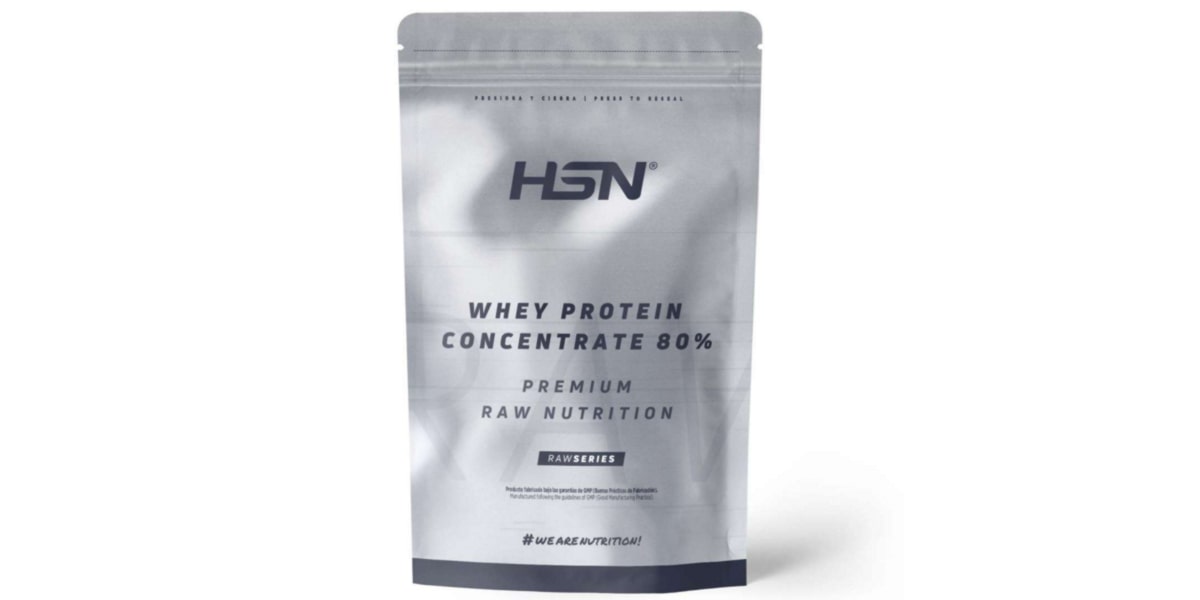
Whey protein concentrate (WHEY).
Sources
- Do regular high protein diets have potential health risks on kidney function in athletes? Poortmans JR1, Dellalieux O.
- Walser M. Effects of protein intake on renal function and on the development of renal disease. In The Role of Protein and Amino Acids in Sustaining and Enhancing Performance .
- Knight EL, Stampfer MJ, Hankinson SE, et al. The impact of protein intake on renal function decline in women with normal renal function or mild renal insufficiency.
- Reed D, McGee D, Yano K, Hankin J. Diet, blood pressure, and multicollinearity.
- Zhou BF, Wu XG, Tao SQ, Yang J, Cao TX, Zheng RP, Tian XZ, Lu CQ, Miao HY, Ye FM, et al. Dietary patterns in 10 groups and the relationship with blood pressure. Collaborative Study Group for Cardiovascular Diseases and Their Risk Factors. Chin Med J (Engl). 1989 Apr;102(4):257-61.
- Stamler JS, Caggiuala A, Grandist GA. Relationship of dietary variables to blood pressure (BP) findings of the Multiple Risk Factors Intervention Study (MRFIT).
Related Entries
- Whey protein, what is it and how can it benefit you?
- The false myths surrounding protein consumption
- Functions of the liver and kidneys in our body
- Protein functions in the body
- Get to know the different types of proteins