Fitness, Nutrition, Health and Sports Blog In the HSNstore Blog you will find tips about Fitness, sport in general, nutrition, and health – HSNstore.com

One of the most common questions, especially when starting out in the world of fitness, is whether it is necessary to maintain the same protein intake on days when you do not train. The short and straightforward answer is yes; in most cases, it is advisable—and essential—to maintain an adequate protein intake on rest days as well.
This question is very common and stems from what seems like a simple line of reasoning:
“If I don’t train, I don’t expend as much energy, so I don’t need as many nutrients.”
However, this reasoning is a mistake that can slow down your progress. The muscle-building process does not happen only in the gym, but during the hours and days following your workout.
Resistance or high-intensity training causes microtears in muscle fibers. Protein is the macronutrient responsible for repairing these “injuries” and, in the process, making your muscles grow stronger and larger. This repair and growth process, known as muscle protein synthesis, is not instantaneous. In fact, it can last between 24 and 48 hours after finishing your workout.
Therefore, if you drastically reduce your protein intake on your rest days, you are depriving your muscles of the “building blocks” they need to rebuild and strengthen themselves. This can lead to:
- Slower and poorer recovery: you’ll experience more muscle soreness, and your muscles won’t be ready for your next workout.
- Loss of muscle mass (catabolism): if you do not provide your body with the amino acids it needs through your diet, it may begin obtaining them from your own muscles, undoing the hard work you put in at the gym.
- Plateaued progress: without optimal recovery and muscle growth, it becomes much harder to improve your performance and body composition.
Protein requirements for recovery and muscle maintenance remain elevated.

How Much Protein Should I Consume on Rest Days?
The recommendations do not change significantly between training days and rest days. The amount of protein you need depends on your body weight, activity level, and goals (maintenance, muscle gain, or fat loss).
General recommendations:
- Active individuals (strength or endurance training): between 1.6 and 2.2 g of protein per kg of body weight per day.
- High-performance athletes or those in a cutting phase: up to 2.5 g/kg/day in some cases.
- Sedentary individuals: between 0.8 and 1.2 g/kg/day to meet basic requirements.
Maintaining these values on rest days promotes recovery and helps prevent muscle loss. To make the calculations easier, you can use our nutrition calculator.
Why Is Protein Still Important on Rest Days?
Although the physical effort takes place in the gym, the real “magic” of muscle growth happens during recovery. Reducing your protein intake on these days is counterproductive because it ignores the key physiological processes that are actively taking place. The main reason protein remains crucial is a process called Muscle Protein Synthesis (MPS).
The extended anabolic window: beyond the post-workout period.
1 Muscle Recovery
When you perform resistance training, you create microtears in your muscle fibers. This is not a bad thing; rather, it is the signal that triggers the body’s repair and growth response. This response is Muscle Protein Synthesis, a metabolic process in which your body uses amino acids (from the protein you consume) to repair damaged fibers and build new muscle tissue.
The key point is that this process does not occur within just one or two hours. Scientific research has shown that Muscle Protein Synthesis remains elevated for an extended period after intense exercise.
- Post-exercise elevation: MPS increases sharply after training and can remain significantly elevated for 24 to 48 hours.
- Peak and decline: it generally peaks around 24 hours before gradually returning to baseline.
- Key takeaway: protein synthesis is most efficient when you maintain a consistent protein intake throughout the week, not just on training days.
2 Catabolism
Muscle is a metabolically active tissue that, even at rest, continuously breaks down proteins (catabolism) and synthesizes new ones (anabolism). On rest days, your protein balance can become negative if you do not consume enough protein, which may result in a loss of lean muscle mass.
This means that throughout your entire rest day, your body remains actively repairing and building muscle.
If you do not provide your body with a steady and sufficient supply of amino acids through your diet, this process slows down or stops, compromising both your recovery and your muscle gains.
- Conclusion: even if you are not training, your muscles remain an “amino acid bank” that your body can draw upon. Maintaining an adequate protein intake is the key to protecting your muscle mass and ensuring that catabolism does not outweigh anabolism.
Exact Protein Intake Based on Your Goal
There is no single answer to the question of how much protein you should consume. The optimal amount depends directly on your primary goal: are you looking to build muscle, lose body fat, or simply maintain your current weight?
Each of these scenarios has different physiological demands that require adjustments to your protein intake.
| Goal | Protein Range (grams of protein × kg body weight) | Rationale |
| Build Muscle (Calorie Surplus) | 1.6 – 2.2 | The body requires a consistently high supply of amino acids to maintain a positive nitrogen balance, allowing muscle protein synthesis to exceed breakdown and promote net muscle growth. |
| Lose Body Fat (Calorie Deficit) | 1.8 – 2.7 | A high protein intake helps preserve muscle mass, increases satiety, and raises calorie expenditure through its greater thermic effect, reducing muscle catabolism during a calorie deficit. |
| Maintenance | 1.4 – 1.8 | Protein supports daily repair and tissue turnover, preserving muscle mass without the additional surplus needed to build new muscle tissue. |
How to use the table:
- Identify your goal.
- Multiply your body weight (kg) by the recommended range.
- Adjust the result according to your activity level, body fat percentage, and individual response (you can also use our nutrition calculator).
What Type of Protein Should You Take on Rest Days, and When?
On rest days, the most important factor is still meeting your total daily protein intake, rather than the exact timing of your protein consumption.
There is little benefit in obsessing over drinking a protein shake at a specific time if, by the end of the day, you are still 50 grams short of your target. Your body remains in a state of muscle repair and protein synthesis for 24–48 hours after training, meaning it requires a steady supply of amino acids throughout this entire period.
- Your number one priority on rest days: make sure your total protein intake is sufficient.
That said, while your total intake is the most important factor, distributing your protein intelligently throughout the day may provide additional benefits and further optimize recovery:
- Even distribution: spreading your protein intake across 3–5 meals throughout the day helps maintain a continuous supply of amino acids in the bloodstream, keeping muscle protein synthesis active.
- Before bed: consuming a source of protein before going to sleep provides your body with the nutrients it needs to continue repairing muscle tissue overnight.
Recommended Protein Sources
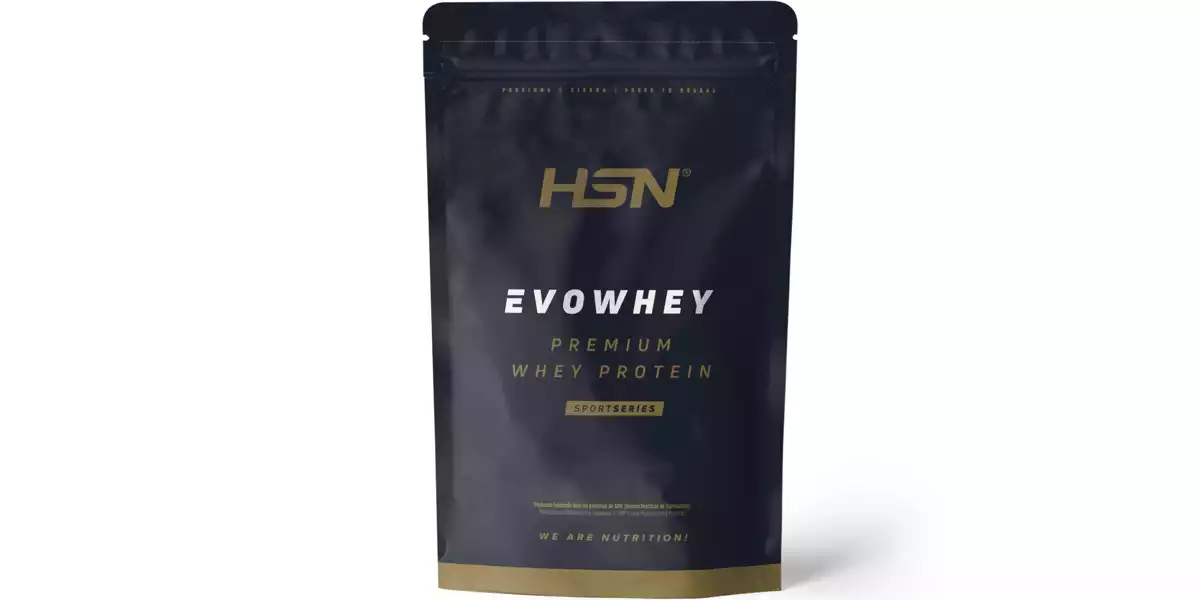
- Whey Protein: ideal for rapid protein intake thanks to its fast absorption rate and complete amino acid profile.
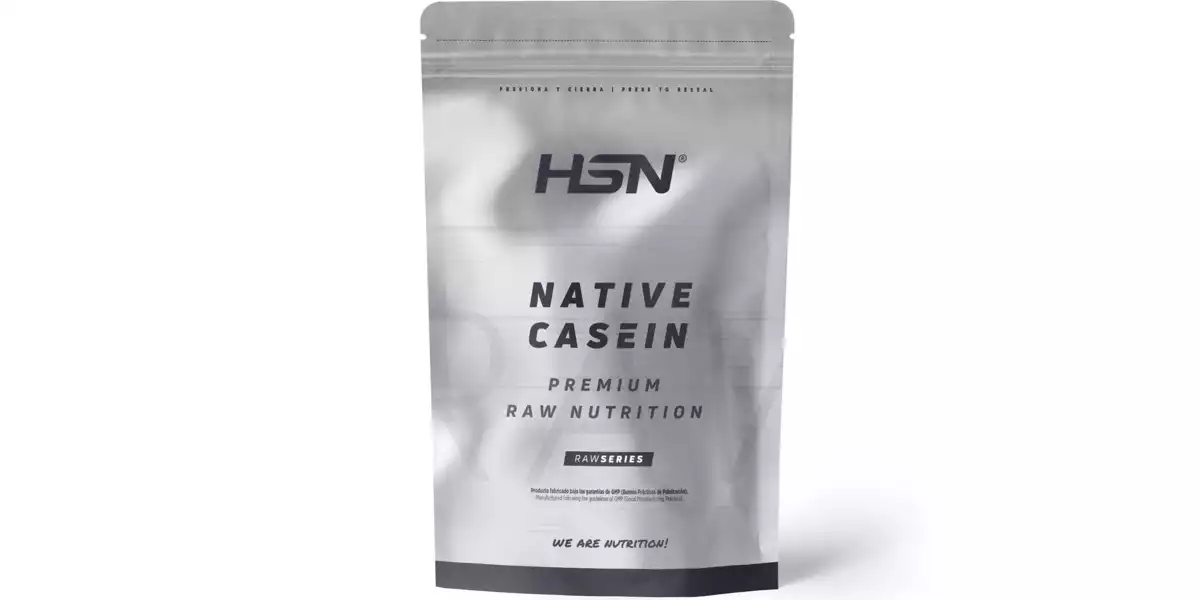
- Casein: an excellent option for long periods without food (such as overnight) thanks to its slow and sustained release of amino acids.

- Plant Proteins (pea, rice, soy): excellent alternatives for those who do not consume dairy. Combining different plant protein sources provides a complete amino acid profile.
Related Articles
- What Are Proteins?
- Should I Take Creatine or Protein Based on My Goals?
- Differences Between Animal and Plant Protein