Fitness, Nutrition, Health and Sports Blog In the HSNstore Blog you will find tips about Fitness, sport in general, nutrition, and health – HSNstore.com

Let’s gather the most common questions that most people who join the gym start to share. Sometimes, it seems like common sense goes out the window, and although for some of us the theory is crystal clear and these might seem obvious, nobody is born knowing everything, so it never hurts to lend a hand and clear up doubts
How can I lose fat fast?
The fastest way would be to go under the knife and get liposuction ? but if we’ve decided to get in shape, we’ll have to put in the work. Anything about speed in this fitness world is a synonym for a major fail in no time… Our body hates extreme changes, and if we think that drastically cutting calories will automatically make us lose weight, we’re a bit off. Progress has to be gradual.
- Switching from breakfasting on cookies and/or commercial juices and/or industrial pastries and/or similar stuff… to a truly nutritious meal is a big step. A tasty example of this is “pancakes” made with eggs, oat flour, a bit of whey…
- Swap fried foods for grilled and/or boiled ones. If instead of your breaded steak you grill it and add a touch of aromatic spices, it makes a huge difference…
- Cutting liquid calories is a nearly invisible action that quickly improves your body composition. Number one here is water; anything with added sugar isn’t ideal. There’s also some debate about “light drinks” and their ingredients…
- Make sure to get essential micronutrients in your diet, choosing the most nutritious food sources like oily fish, fresh veggies, nuts… In other words, Real Food.

The change lies in the obvious and common sense, you don’t need a ruler and protractor to fine-tune your diet to the millimeter, just some basic and simple rules, and before you know it, you’ll be doing simple things that will bring results in a reasonable amount of time
How can I gain weight fast?
Another hot topic: adding more volume to your body composition. Here we can see 2 clearly different cases:
- Thin person
- Person who clearly has several extra kg
Thin person
For the first case, the recommendation is to consume enough calories, which through training (stimulus) and proper rest, will gradually show changes.
Base your diet on more calorie-dense foods if you’re not big on eating large amounts, or if your system already “gets full” with your current meals. If you “overdo it” on high-fiber foods while eating big portions, it might mess with your bathroom routine… watch out for that. If needed, eating “less clean” foods like bread or white rice is fine in my opinion, because if you’re worried about the glycemic index, having other “macros” in the same meal will slow absorption.

As you can see, I’m more of a fan of IIFYM, and thinking not in days but in a longer time frame like weeks is more important on this hypertrophy journey
Person with higher % body fat
For the second case, I don’t think adding more mass is a good choice. Personally, I’d go the opposite way of the question’s title, which is losing weight, and by weight I mean fat. This strategy will bring a favorable metabolic change, since, for example, someone with a lower body fat percentage will always absorb nutrients better, or their insulin response will be more optimal. You don’t get this by adding more kg on a non-optimal base.

I’d reserve this topic for people with enough experience to set strategic bulking and cutting phases, but for the average user, I don’t see it.
What supplements should I take?
Protein
Protein or whey is a different story, since unless you haven’t followed my articles, you’ll know my take is that it’s just another protein source. Some keep tuna cans in their pantry, cheese in the fridge, chicken… well, that cool-labeled tub in your kitchen cabinet belongs to the same food group ?

The real question should be: do I really need supplements?, and to be clear and straight, for someone just starting out, I’d say not yet…
Getting used to the routine
A beginner should build the “behavior patterns” linked to the training habit, which is basically showing up, training (I’m not saying how here, but obviously it should be done properly and based on the person’s condition and goal), eating (nourishing), and resting (getting through the DOMS), so progress becomes noticeable little by little.
Diet
There will always come a time to set up a diet, which should come before managing supplements, to reach a sensible conclusion about what’s “needed” and if a product is worth it. As we progress, our level and intensity should increase according to the plan, otherwise we’re off track, and then the need for smart supplementation might arise.
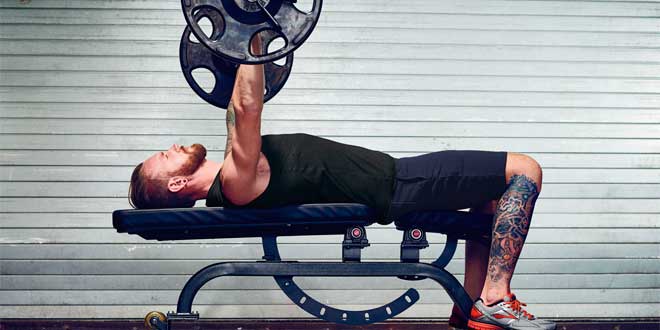
Depending on our activity, since several modalities can coexist in one person, like doing fitness or bodybuilding, biking on weekends, going to Zumba… The energy expenditure will be higher, as well as the need for nutrients like amino acids.
For cutting, more reps and less weight…?
One of the most common myths around here. It gets passed from newbie to newbie, either because the first heard it from a friend of a cousin’s neighbor…, or because “…that’s what you do in this phase…” Even though I said newbie, many more “experienced” folks still think this is the “ABC”. Here’s why it’s not:
To change body weight, the main factor is calories, nothing more, nothing less, not the type of routine you’re doing at the moment.

First off a note: to cut you need to “have something” to cut…
If you cut, you won’t gain muscle mass…
With that in mind, when starting a cutting phase we aim to lose fat, the reason we can’t see muscle separations and insertions… the goal is to maintain muscle mass. Sure, if we cut calories, we’ll lose weight, but the inefficient part is losing a lot of muscle mass. What do we do? Keep these two points:
- High protein
- Keep the stimulus
Eat “more” protein
The first part is pretty clear, and you might have an idea. If we cut calories, we cut energy substrates like fats and carbs, so the body will look for an energy source, and if needed, it might use amino acids… So, we’ll give it “extra” of this building material.
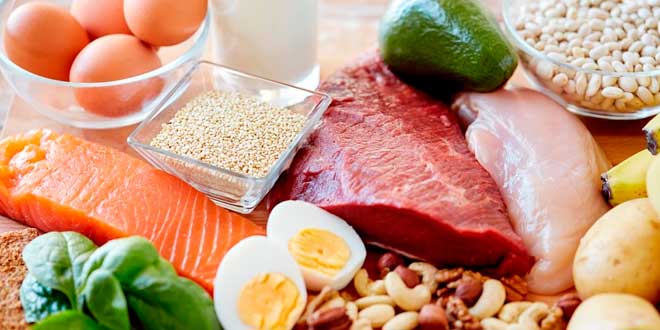
Train mainly “heavy”
The second point is what this section is about: doing multiple sets with moderate or light weights is basically cardio. This won’t provide any stimulus and the body will just keep burning calories. But if instead we keep a considerable load range, things change. We’re forcing the body to not break down muscle tissue because it’s still needed.
Do I have to train only the muscles I care about?
This can lead to the “chicken legs” syndrome that happens quite often in most gyms. Huge imbalances between upper body VS lower body. It can also happen within the same muscle group between antagonistic muscles, or just one part being more developed, something totally unattractive, and definitely not part of the “fitness beauty standards”.
One main reason for this nonsense is that “training chest and biceps is cooler”, then putting on a tight shirt and filling it out as you like… but what about the legs?
Now that I’m at the gym, do I have to change my whole lifestyle?
Since we’ve “signed up” for the gym, we’ll follow all the rules that come with it, from eating oats for breakfast to cutting carbs at a certain time… Not at all, this isn’t The Matrix… Training with weights is a sport, physical activity, conditioning, or whatever you want to call it, that improves our abilities and develops others.
From improving health markers to reducing unwanted fat
If you want to be a Bodybuilder
But what should be differentiated is the path a bodybuilder pursues versus what a regular user does. If your dream is to step on stage and compete in the fitness world, you’ll have to adopt all the behaviors needed to reach and maintain that lifestyle.
- Get up at the same time to avoid missing meals
- Sleep at least 8 hours. If you can, take naps
- Do fasted LIIS to boost fat burning
- Eat a lot of protein
- Set long bulking phases, don’t fear “getting bloated” and losing your six-pack
- Enjoy the calorie-cutting phases for cutting
- Choose the most boring food (rice, chicken) to avoid temptation and adapt your taste
- Learn to calculate your macros, don’t skip a single calorie
- Avoid any social events, no partying
- Water instead of soda
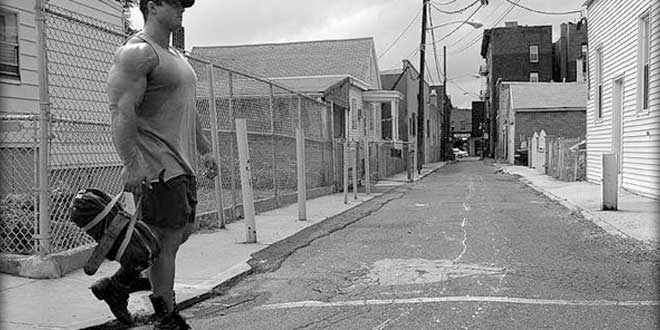
This means maintaining a lifestyle as close to a monk’s as possible
- Bringing a tupperware to the cinema
- Eating every last grain of rice on your plate
- Avoiding any physical activity outside your plan, not even a casual game with friends
- Not eating anything at any party or family event
- If you’re at the mall, stopping what you’re doing to go to the car for your tupperware
- Perfectly timing your meals, stopwatch in hand
- Training for aesthetics
- Diet is the main key to improvement
Are you ready?
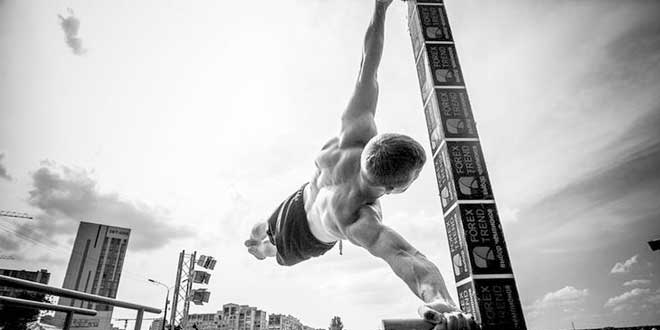
If your view of this world doesn’t match or you don’t want to do it, there’s life beyond the gym, you love sports, and you enjoy feeling motivated doing your favorite activity, habits can be quite different:
- Train HIIT
- Train fasted
- Train for performance
- Performance comes before diet
- Breakfast isn’t the most important meal
- Eat carbs at dinner
- Skip some meals
- Eat popcorn at the movies
- Practice other sports
- Sleep in
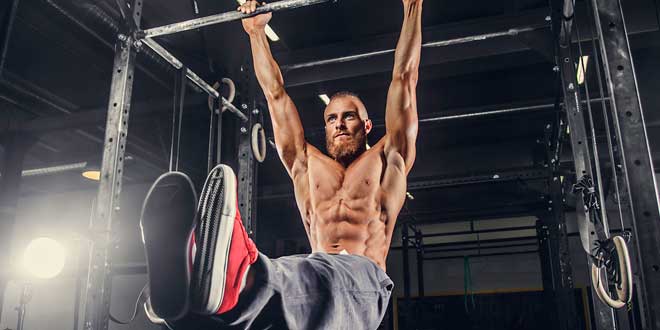
I’m not trying to criticize this lifestyle at all, just offering a descriptive view with a bit of irony, but if someone really wants to succeed in this sport, they’ll have to start considering it
Related Posts