Fitness, Nutrition, Health and Sports Blog In the HSNstore Blog you will find tips about Fitness, sport in general, nutrition, and health – HSNstore.com

Surely you’ve heard the classic saying “eat breakfast like a king, lunch like a prince, and dine like a pauper” a million times, or that breakfast is the most important meal of the day, but what you don’t know is that based on what we can see, breakfast is actually the worst meal of the day, and in this article I’ll try to clear up why.
What Is Breakfast
As the name suggests, breakfast is nothing more than the first meal after a fast, and if we check Wikipedia (although it’s not a great source to rely on) it says about breakfast that
It is the first meal consumed in the day, and it’s usually eaten in the morning. The name comes from the fact that you don’t eat while you sleep, so when you wake up in the morning you’re fasting, breaking that fast by having this meal (break-fast)

First Meal After the Fast
Actually, breakfast is the first meal after the overnight fast. In fact, in other languages it translates as the first meal of the morning, which is basically what everyone does. That is, if you skip that morning meal right after waking up and do a 16h fast (intermittent fasting), breakfast would be the meal or even the snack, since it’s the first meal you have. But here we’ll talk about what’s known as breakfast, which is just the first meal in the morning after waking up.

If you skip that morning meal right after waking up and do a 16h fast (intermittent fasting), breakfast would be the meal or even the snack, since it’s the first meal you have
Is Breakfast the Most Important Meal?
Flawed Logic
It’s been called the most important meal of the day only recently, because a somewhat flawed logic was applied thinking you should have a big meal first thing to fill energy stores, which you’d burn throughout the day, gradually decreasing meal sizes until a light, especially low-carb dinner, to avoid storing fat overnight.
This logic isn’t entirely correct.
Avoid Eating in the Morning
Eating breakfast without prior activity isn’t something humans have done for that long. If you look at recent hunter-gatherer societies, they don’t eat abundantly during the day. Even medieval European writings mention that eating early in the day led to gluttony and should be avoided. In fact, until the 15th century, breakfast was frowned upon because it implied you were too weak to wait until the first meal of the day.
Eating as a Reward
In ancient times, food was the reward after the effort to find more food. That is, first they had to work hard to gather or hunt the food they’d eat after physical activity, and the hungrier they were, the more diligently they’d work. If lucky, they’d celebrate with a good feast at the end of the day.
Breakfast’s Importance Is Overhyped
In the previous point I already mentioned Wikipedia isn’t a place where what’s written is based on scientific studies but rather most nutrition articles fall into old myths. Just look at how the breakfast entry continues:
Lack of Scientific Rigor
This has no scientific basis to back it up. In fact, if you’ve tried intermittent fasting or some form of fasting for a while (once adapted), and trained fasted, you’ll see you don’t lack performance, concentration, or get grumpy. Bad mood is usually a personality trait, not caused by skipping morning food.
It’s No Big Deal to Skip Breakfast
Even if you’ve been breakfasting all your life, you’re probably so used to it that you think something bad will happen if you don’t eat breakfast, like feeling dizzy, having energy crashes, or not performing well. But it’s just a habit you’ve given your body. I experienced this in the first weeks of training or working fasted, but once adapted I can do it or not without any problem.
Breakfast Today
Lack of Nutrients
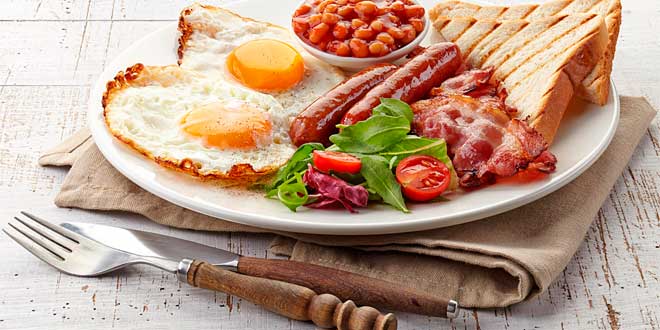
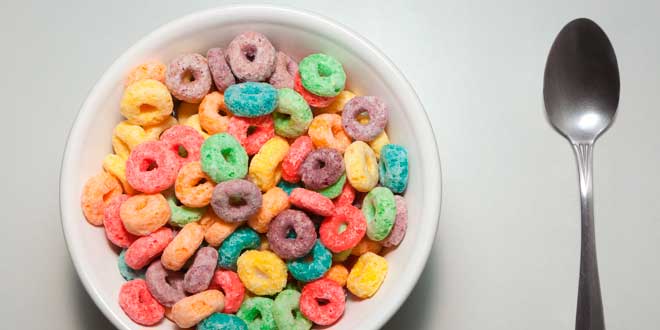
Usually, the most common breakfast today is completely unhealthy, where what we eat is very high in carbs and very low in fats and protein. Since the early 20th century, we’ve been used to eating all kinds of sugary products like cereals, cookies, pastries, churros, juices, or bread without limits, where protein and fat are usually limited to a glass of milk (often skimmed) with added sugar (like nesquik or colacao).
Carbs as the Main Dish
Overdoing carbs in a meal facilitates tryptophan entering the brain, which is a precursor to serotonin that participates in producing melatonin (the sleep hormone). So it’s not very smart to get out of bed and prepare your body to feel sleepy again. It might make sense if you’re going to bed soon, but that’s not the case for breakfast.
If You Eat Breakfast, Do It Right
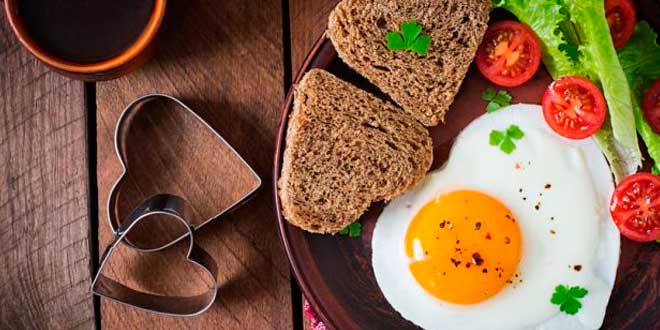
You’ve made it this far and now you’re wondering if you should eat breakfast or not. That depends mainly on your needs or preferences, but what’s clear is that you shouldn’t eat breakfast like people do nowadays. You shouldn’t eat pastries, cereals, cookies, churros, or other sugary products.
Try Intermittent Fasting
Skipping breakfast is as valid an option as eating it properly (IF or Intermittent Fasting 16/8 is a very healthy option2), and much better than eating processed sugary products. But many people need to have something in their stomach to start the day because they enjoy that meal. If that’s you, keep doing it but choose better products.
Protein for Breakfast
For a more optimal breakfast, you should include a good source of protein since it’s proven3 to reduce hunger much more during the morning than a carb-based breakfast. Also include a good amount of fats, as this lowers the overall meal’s glycemic index and improves cognitive performance compared to a high-GI meal4.

Avoid Juices
Carbs should come from natural foods (real food) like vegetables or whole fruit, since juices lose the fiber that fills you up and improves intestinal transit.
Eggs, the Best Breakfast Option
Doesn’t Raise Blood Cholesterol
Without a doubt, eggs are the best option for a nutritious and healthy breakfast, and there’s no need to fear cholesterol, since it’s known that dietary cholesterol doesn’t impact blood cholesterol5. Eggs can be combined in many ways with other foods like avocado, nuts, aged cheese, bacon, fish, etc.
Nutritional Value
Eggs are a powerful food, the best natural protein source by biological value and net protein utilization (only surpassed by protein supplements). They’re rich in vitamins (A, D, K, B2, B5, B12) and minerals (iron, phosphorus, potassium, selenium), provide choline, a key nutrient for the brain (and studies show only 10% of people reach the recommended amount), the yolk is a source of carotenoids, important nutrients for eye health, a source of Omega 3, and filling.
False Myths
Eggs are one of the most nutritious foods out there, if not the most, but have been demonized for years due to pharmaceutical industry misinformation about blood cholesterol levels. Sadly, many doctors still limit weekly egg intake, which has been proven totally wrong6.
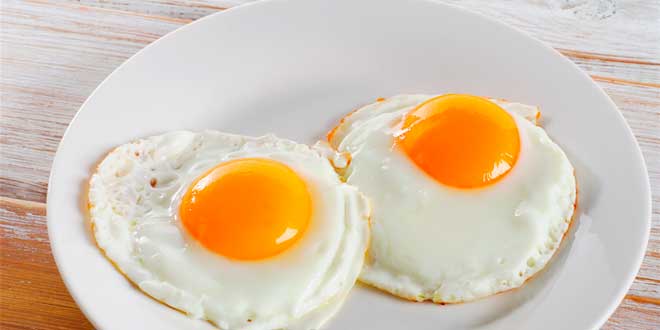
So start your day with a couple of eggs!
Sources
- Belief beyond the evidence: using the proposed effect of breakfast on obesity to show 2 practices that distort scientific evidence. Brown AW1, Bohan Brown MM, Allison DB. Am J Clin Nutr. 2013 Nov;98(5):1298-308. doi: 10.3945/ajcn.113.064410. Epub 2013 Sep 4.
- Effects of eight weeks of time-restricted feeding (16/8) on basal metabolism, maximal strength, body composition, inflammation, and cardiovascular risk factors in resistance-trained males. Tatiana Moro,1 Grant Tinsley,2 Antonino Bianco,3 Giuseppe Marcolin,1 Quirico Francesco Pacelli,1 Giuseppe Battaglia,3 Antonio Palma,3 Paulo Gentil,5 Marco Neri,4 and Antonio Paolicorresponding author1 J Transl Med. 2016; 14: 290.
Published online 2016 Oct 13. doi: 10.1186/s12967-016-1044-0 - Effect of a high-protein breakfast on the postprandial ghrelin response. Wendy AM Blom1, Anne Lluch1, Annette Stafleu1, Sophie Vinoy1, Jens J Holst1, Gertjan Schaafsma1, and Henk FJ Hendriks1 © 2006 American Society for Clinical Nutrition
- Breakfast glycaemic index and cognitive function in adolescent school children. Cooper SB1, Bandelow S, Nute ML, Morris JG, Nevill ME.Br J Nutr. 2012 Jun;107(12):1823-32. doi: 10.1017/S0007114511005022. Epub 2011 Sep 29.
- Dietary cholesterol provided by eggs and plasma lipoproteins in healthy populations. Fernandez ML1.Curr Opin Clin Nutr Metab Care. 2006 Jan;9(1):8-12. Fernandez ML1.
- Whole egg consumption improves lipoprotein profiles and insulin sensitivity to a greater extent than yolk-free egg substitute in individuals with metabolic syndrome. Blesso CN1, Andersen CJ, Barona J, Volek JS, Fernandez ML. Metabolism. 2013 Mar;62(3):400-10. doi: 10.1016/j.metabol.2012.08.014. Epub 2012 Sep 27.
Related Posts
- If you choose to eat breakfast, what protein do we recommend?
- How many meals should we eat a day?