Fitness, Nutrition, Health and Sports Blog In the HSNstore Blog you will find tips about Fitness, sport in general, nutrition, and health – HSNstore.com

Both niacin and niacinamide are two forms of vitamin B3. But, in some ways, they have different functions.
What is vitamin B3?
Vitamin B3 belongs to the group of water-soluble vitamins that make up the B complex, and we can find it in the forms of nicotinic acid, niacinamide, and inositol hexaniacinate. These substances are used by the body to form coenzymes that break down carbohydrates, fats, proteins, and alcohols and synthesize fatty acids and cholesterol. 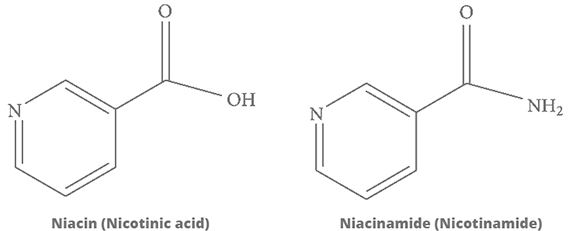
Vitamin B3 is an important nutrient since the body needs it for proper functioning.
Niacin, also known as nicotinic acid, or nicotinamide (its aminated version), is an essential nutrient called vitamin B3.
Both nicotinic acid and niacinamide are used in B3 deficiency and may also be helpful for depression, anxiety, and physical stress.
Functions of vitamin B3
Vitamin B3 is known for its effect on cognition and the brain: alertness, clarity, concentration, memory, mood, boosting energy levels, acting as a powerful antioxidant (neutralizing free radicals), as well as providing protection and maintenance of cardiovascular health: it lowers LDL cholesterol, raises HDL cholesterol, and regulates triglycerides.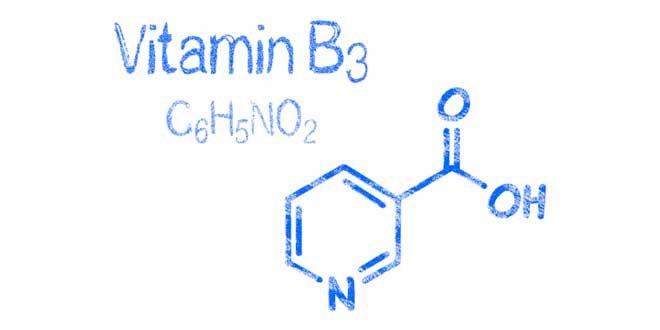
What are the sources of vitamin B3?
It is found in foods like yeast, meat, fish, milk, eggs, legumes, seeds, nuts, some fruits and green vegetables, and cereal grains.

Some foods, like corn, can release niacin when cooked. Before cooking, corn only contains bound and inaccessible niacin.
What are niacin and niacinamide good for?
Niacin is necessary for the metabolism of fats and sugars in the body and maintaining cellular health.
Niacin is a precursor of the coenzymes nicotinamide adenine dinucleotide (NAD) and nicotinamide adenine dinucleotide phosphate (NADP). NAD is needed to catabolize fats, carbohydrates, proteins, and alcohol. NAD is also involved in cell signaling and DNA repair. NAD also converts into NADH, which is the main electron carrier in transforming food from our diet into energy. This energy is stored as adenosine triphosphate (ATP).
For example, niacinamide is often used instead of nicotinic acid to correct niacin deficiency because niacinamide does not cause flushing.
Both nicotinic acid and niacinamide are available as dietary supplements in capsules and tablets.
Niacinamide is also used instead of nicotinic acid in topical cream formulations for skin care.
Forms of Vitamin B3
Nicotinic acid
It has vasodilator properties, which cause the expansion of the diameter of capillaries and blood vessels, allowing greater blood flow. This, in high doses of nicotinic acid, produces the “Flush Effect” or redness and itching of the skin. Although temporary (it stops after about 1 hour), it is not an allergic reaction and decreases as you keep taking it, but it can be annoying.

Thanks to this, niacin can be used by people with high blood pressure
Niacinamide
Niacinamide does not have vasodilator action (nor the Flush effect). Therefore, it does not produce the same response as nicotinic acid. However, it can be used as a treatment for osteoarthritis and type 1 diabetes.
Inositol Hexaniacinate
Inositol hexaniacinate is also part of the vitamin B3 family and can be found in some dietary supplements.

There may also be some evidence that niacinamide can preserve and improve neurocognitive functions and be an important nootropic
Treatments to fight depression and anxiety
NAD (Nicotinamide adenine dinucleotide) is a B3 coenzyme found in all living cells and is crucial for life itself. NAD can be obtained from the forms of vitamin B3 mentioned above or from the amino acid L-tryptophan. The latter is needed for the synthesis of the neurotransmitters serotonin and melatonin. For the body, the priority is to have NAD available, so in the absence of vitamin B3, it will use the L-tryptophan supply for this purpose before using it for anything else.
And that can have possible negative effects on mood, mental health, or cognitive functions, increasing symptoms of depression and anxiety.
Vitamin B3 and the other B complex vitamins
Vitamin B3 (Niacinamide) is part of the B vitamin complex.
There are eight B vitamins in total, including the following:
- B1 (thiamine)
- B2 (riboflavin)
- B5 (pantothenic acid)
- B6 (pyridoxine)
- B7 (biotin)
- B9 (folic acid)
- B12 (cobalamin)
These vitamins are water-soluble and are not stored in the body. The amount the body does not use immediately is excreted through urine.
Each B complex vitamin has its own structure and distinct function. Sometimes, several B vitamins work together to perform specific functions in the body.
Deficiency of certain B complex vitamins, like folic acid and vitamin B6, has been linked to degenerative diseases, such as perception difficulties, dementia, and Alzheimer’s.
Symptoms of niacin deficiency
In rare cases (mainly in developing countries), people may experience severe deficiency, leading to a condition known as pellagra (literally means raw skin).
The diagnosis of this condition can be summarized as: dermatitis, diarrhea, dementia, and in the most severe cases, death.

People with a poor diet, alcoholism problems, and those who develop carcinoid tumors could be at risk of niacin deficiency
Vitamin B3 for cholesterol
One of the most interesting properties of vitamin B3 in the form of nicotinic acid is being a treatment to help reduce high cholesterol levels. It has been shown that niacin reduces the risk of cardiovascular disease in patients with mixed dyslipidemia (elevated plasma cholesterol, triglycerides, or both). Along with this, it can also raise HDL cholesterol (good cholesterol).
On another note, niacin seems to be used to reduce clot formation due to platelet accumulation in arteries, as reflected in this study.
Vitamin B3 to treat osteoarthritis
Osteoarthritis is a form of arthritis that causes cartilage deterioration in the joint, and it occurs as we age. Osteoarthritis commonly affects the hands, feet, spine, and weight-bearing joints like hips and knees.

In recent research, niacinamide may be a treatment to ease osteoarthritis effects: improving joint flexibility and mobility, reducing inflammation, and lowering anti-inflammatory medication use.
Vitamin B3 for diabetes
Niacinamide has gained recognition as a nutrient to fight diabetes. It has been shown that niacinamide protects beta cells (responsible for insulin production) and may even regenerate them. This represents a treatment for preventing type I diabetes onset.
Besides helping patients with type 1 diabetes, niacinamide may also benefit those with type II diabetes. It reduces hypercoagulation and stimulates insulin and beta cell production in the body.
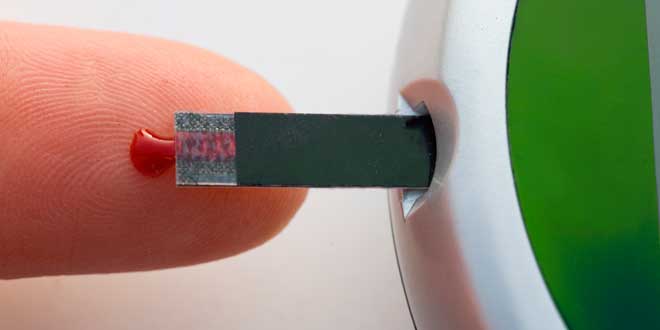
Niacinamide also has another important role in reducing glycated hemoglobin levels so blood sugar levels can be regulated
Taking vitamin B3
Having a vitamin B3 deficiency is uncommon. However, even a slight deficiency can negatively impact health. This may be due to digestive problems and nutrient absorption issues. People intolerant to gluten, with irritable bowel syndrome or Crohn’s disease, may be at risk of niacin deficiency. Other associated factors include excessive alcohol consumption, birth control pills, anorexia cases, or a vegan diet.
If you experience any of the following symptoms, you might need to increase niacin sources in your diet and, of course, consult your doctor:
- Sudden lack of energy
- Fatigue
- Episodes of anxiety, hyperactivity, depression
- Insomnia and irritability
Related Posts
- Benefits of vitamin B
- Vitamin B and sports