Fitness, Nutrition, Health and Sports Blog In the HSNstore Blog you will find tips about Fitness, sport in general, nutrition, and health – HSNstore.com

La sumo squat is a fundamental exercise for strengthening the lower body, especially the glutes and inner thigh muscles. However, as with any exercise, using proper technique is essential to achieve the expected results and prevent injuries.
How to Do a Sumo Squat
The sumo squat is performed with your feet positioned wider than shoulder-width apart, approximately 30–45 cm (12–18 inches) wider, and your toes turned outward to form a “V” shape.
- Push your hips back and lower yourself under control until your knees reach about a 90° angle. Then, press through your heels to return to the starting position while squeezing your glutes.
How to Perform a Sumo Squat Step by Step
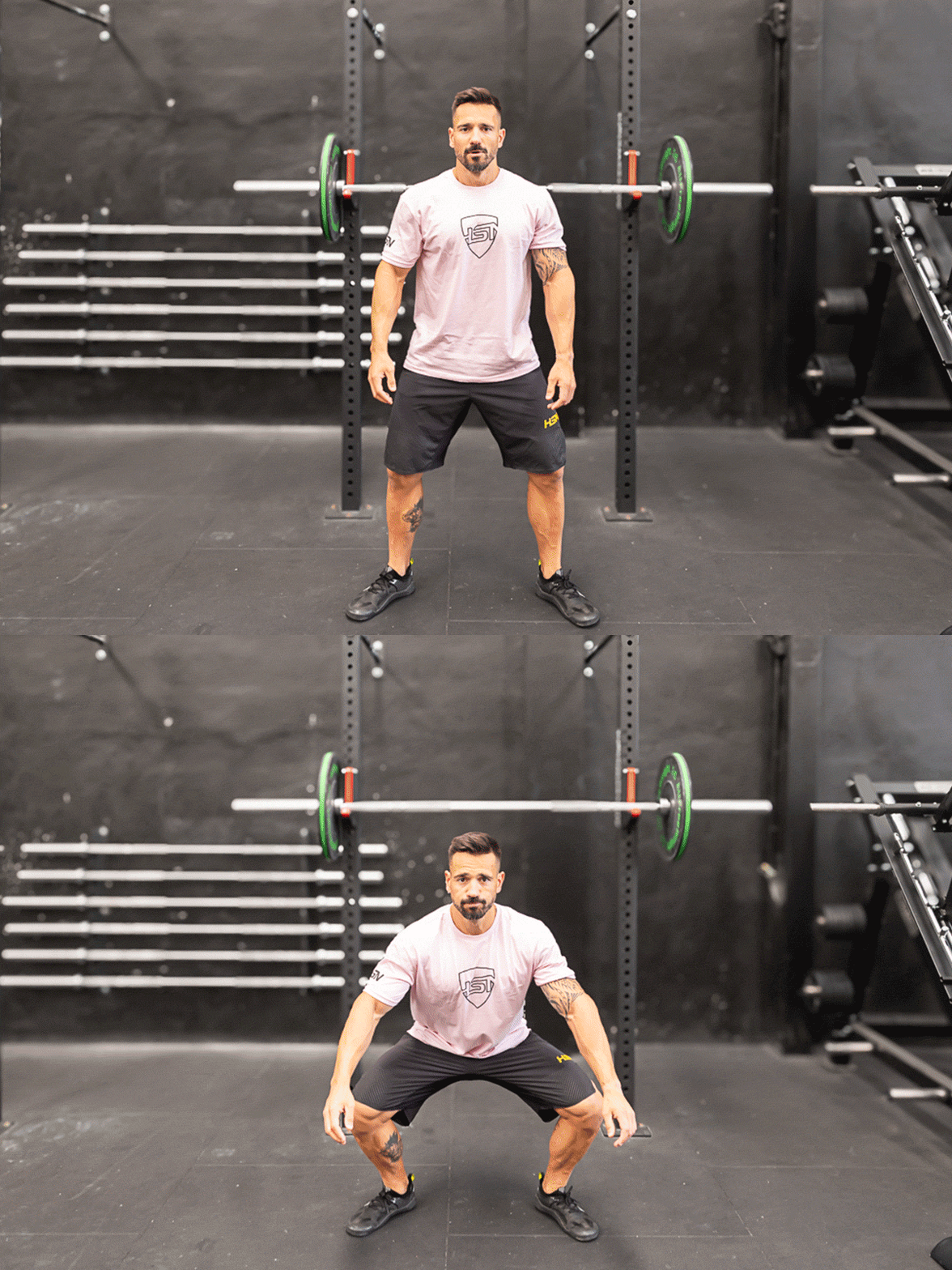
- Place your feet wider than shoulder-width apart (30–45 cm / 12–18 inches wider) and turn your toes outward to form a “V”. Keep your chest lifted and your hands in front of your chest or on your hips for balance. At this point, take a deep breath to prepare your body and engage your core.
- Push your hips back as if you were about to sit on an invisible chair, then lower yourself under control while inhaling slowly. Make sure your knees track in line with your toes and keep your spine neutral (avoid arching your back).
- At the lowest point of the movement, keep your knees at approximately a 90° angle. They do not need to move past your toes. Here, you can briefly hold your breath (1–2 seconds) to maintain core tension, but avoid holding it for too long.
- Press through your heels and squeeze your glutes as you stand up, exhaling in a controlled manner as you return to the starting position. Maintain control throughout the movement and avoid locking your knees at the top.
- Once you’re standing, finish exhaling and prepare for your next inhale before repeating the movement. Keep a steady rhythm, coordinating your breathing with the exercise: inhale on the way down and exhale on the way up.
✍️ Sets and reps: 3–4 sets of 10–20 repetitions with 30–60 seconds of rest between sets.
Sumo Squat Variations to Build More Strength
Here are some great variations of this exercise, perfect for both home and gym workouts. Remember that all of them start from the basic sumo stance explained in step 1 above. From there, simply follow these instructions:
1. Dumbbell Sumo Squat
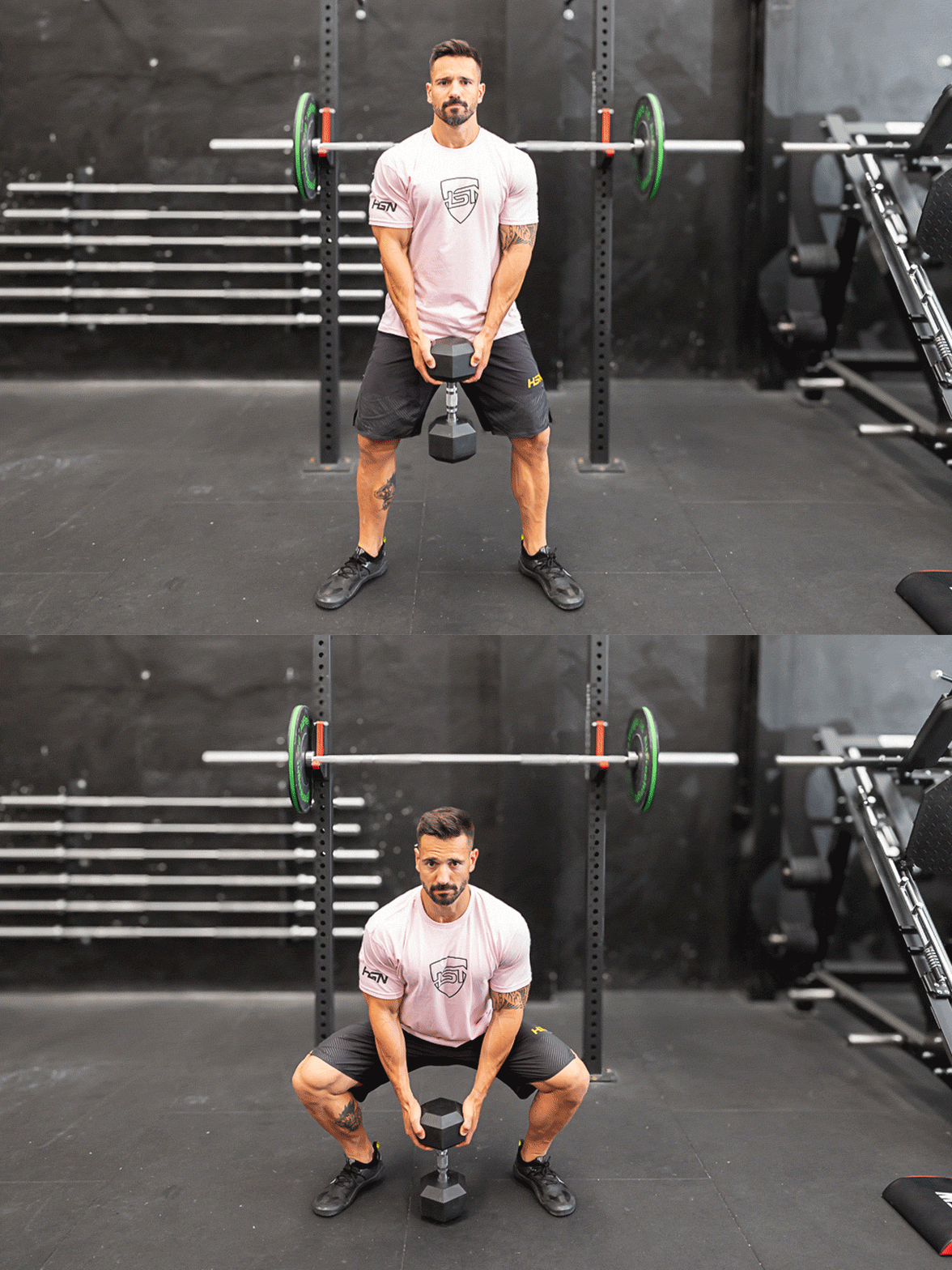
- Hold a dumbbell with both hands, keeping it at chest height or hanging between your legs.
- Lower yourself under control while inhaling until your thighs are parallel to the floor. Make sure your knees do not move past your toes.
- Briefly hold your breath (1–2 seconds) at the bottom position.
- Push through your heels to stand up, exhaling as you rise. Squeeze your glutes at the top of the movement.
HSN Recommendation: Choose a weight that allows you to maintain proper form. If you notice your back arching, reduce the load.
2. Banded Sumo Squat
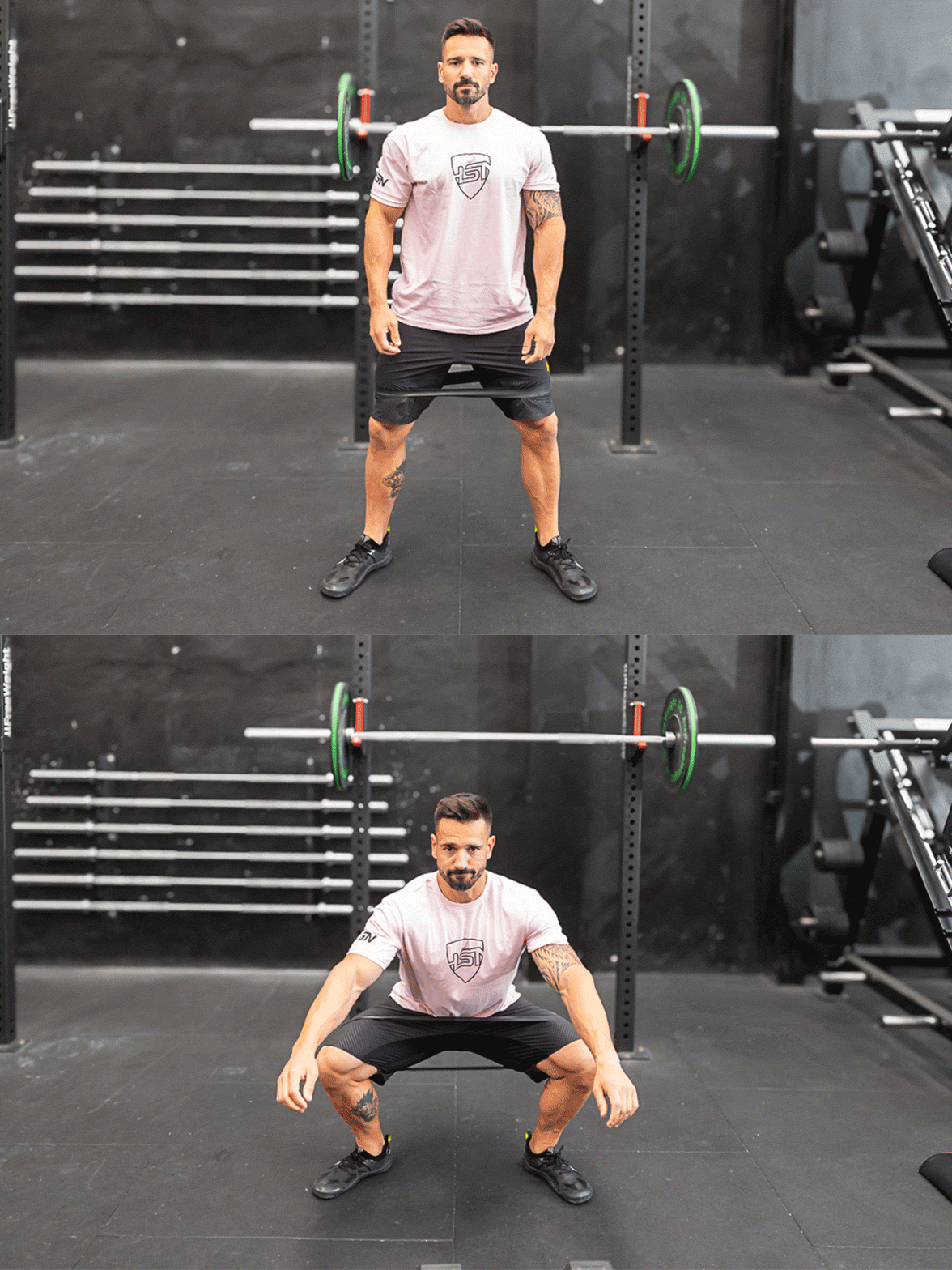
- Place a resistance band just above your knees.
- Lower yourself under control while inhaling, feeling the resistance from the band. Keep your knees aligned with your toes.
- At the bottom position, maintain tension on the band and briefly hold your breath (1–2 seconds).
- Stand up while exhaling, keeping constant tension on the band.
HSN Recommendation: We love this variation because the band helps reinforce proper knee alignment, but make sure it is positioned correctly.
3. Jump Sumo Squat
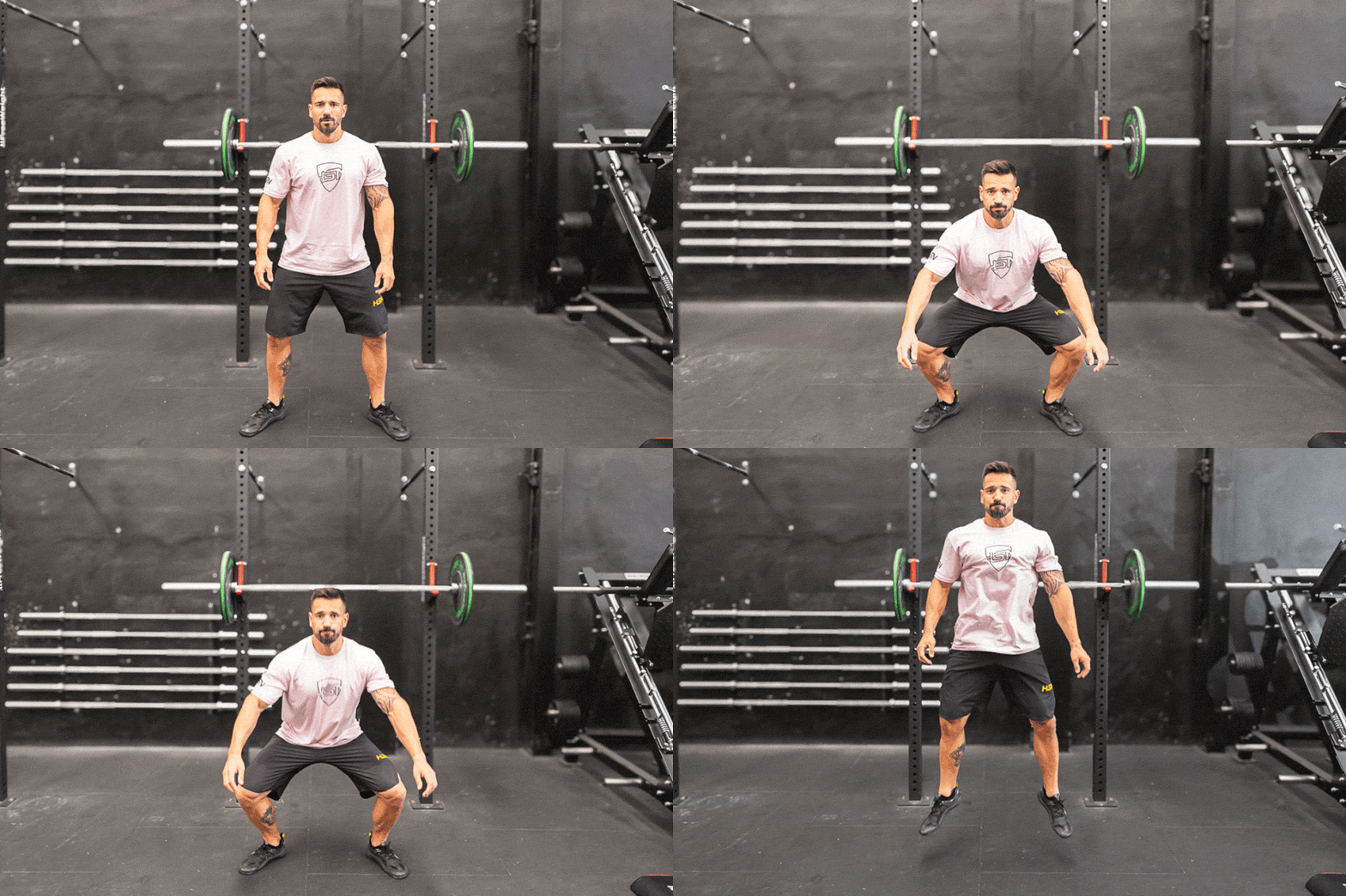
- Lower yourself into the squat position under control while inhaling.
- As you rise, explode upward into a jump, exhaling forcefully while fully extending your legs.
- Land softly, bending your knees to absorb the impact.
HSN Recommendation: This is a high-impact exercise, so make sure to land with your knees aligned and your feet firmly planted to reduce the risk of injury.
4. Isometric Sumo Squat
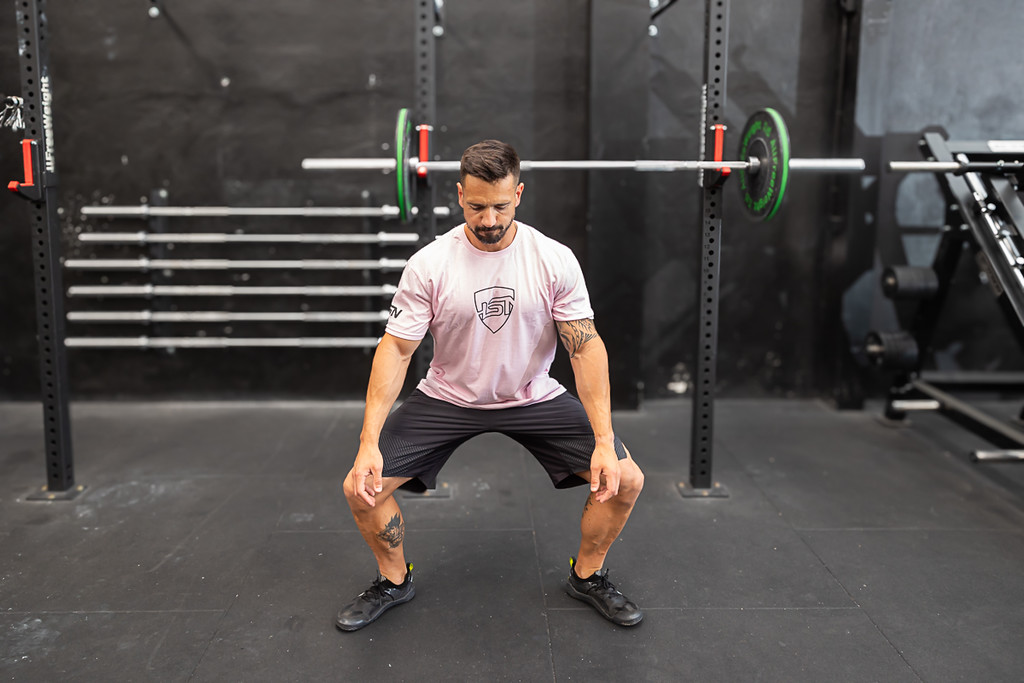
- Lower yourself under control to the bottom position of the squat while inhaling. Make sure your knees do not move past your toes.
- Hold the bottom position for 20–30 seconds, breathing steadily and under control (inhale and exhale through your nose).
- Stand up slowly while exhaling as you return to the starting position.
- Recover your breathing and prepare for the next repetition.
HSN Recommendation: This exercise is excellent for improving muscular endurance. If you’re a beginner, start with shorter intervals (10–15 seconds) and gradually increase the duration.
To build muscle, doing the same thing over and over isn’t enough. The key is progressive overload. Once you’ve mastered the technique, gradually increase the weight (by 5–10%) as well as the number of repetitions. This continually challenges your muscles, which is essential for stimulating growth and preventing plateaus.
Tips to Improve Your Sumo Squat and Prevent Injuries
Follow these simple tips to perfect your sumo squat:
- As you lower yourself, focus on feeling your inner thigh muscles working. This improves muscle activation and stability.
- Stand sideways in front of a mirror to check that your back stays straight and your knees remain properly aligned.
- Try lowering in 4 seconds and rising in 2 seconds. This increases time under tension and improves strength.
- Place a small ball or a rolled-up towel between your knees to reinforce proper alignment and activate your adductors.
- Pause for 2–3 seconds at the bottom of the squat before standing up. This removes momentum and increases the difficulty.
- Spend 5 minutes performing dynamic hip stretches before your workout to improve your range of motion.
- Imagine you’re “spreading the floor apart” with your heels as you stand up. This enhances glute activation and reduces stress on your knees.
- Use your phone to record yourself and check that you maintain proper form throughout the movement.
Related Posts
- How to Do Squats Properly
- Bulgarian Squat vs. Traditional Squat
- Why Does Knee Valgus Occur During Squats?