Fitness, Nutrition, Health and Sports Blog In the HSNstore Blog you will find tips about Fitness, sport in general, nutrition, and health – HSNstore.com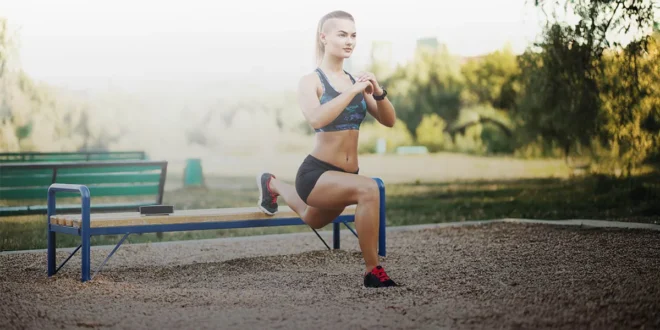

Unilateral exercises are regularly included in strength programs as complementary exercises to bilateral ones, aiming to increase load volume or provide stimulus variation.
Improvements in strength and power through bilateral exercises like the squat are well supported, which is why they’re often chosen as the primary exercises for this purpose. When looking for transfer to any sport, where most actions are performed unilaterally, or for transfer towards these types of movements, unilateral work should be prioritized (at least matching training load compared to bilateral exercises).
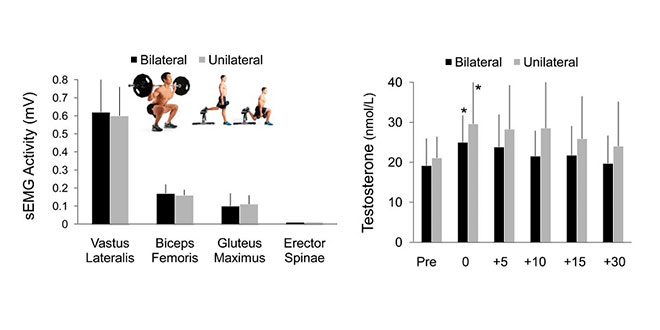
But that’s not all — performing unilateral exercises has also proven effective in boosting strength, showing similar muscle activity to bilateral exercises, and even better anabolic hormonal levels.
Bulgarian squat
The Bulgarian squat is one of those exercises you don’t often see performed in the gym, neither regularly nor with the intensity equivalent to traditional squats, but from which we’d get very similar benefits, and maybe even more transferable ones than traditional squats provide.
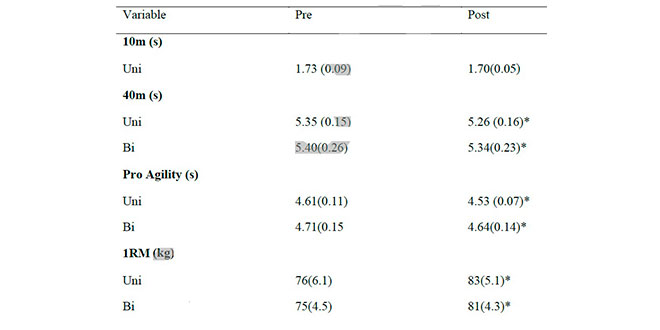
Recently, for example, a study was published on American football players showing no differences in improvements in sprint and agility performance after following a 5-week unilateral or bilateral training protocol.
Additionally, it could offer extra benefits for variables not evaluated, including heterolateral compensation and injury prevention given the prevalence of unilateral movements in any sport. This advantage is linked to greater activation of knee sensory receptors (Pacinian, Ruffini, Golgi corpuscles) and dynamic and static stabilizers (ligaments, joint capsules, or especially the popliteus muscle). If you don’t usually do this kind of exercise, you might experience the instability sensations related to these structures.
Does the Bulgarian squat hypertrophy the same as the traditional squat?
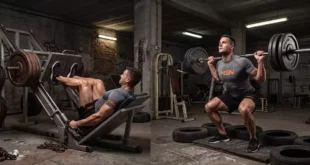
As we showed in the first image, the anabolic response when loads are matched is similar, or even superior, with the Bulgarian squat. Matching means using half the weight in the Bulgarian squat compared to the traditional squat (back squat), which is really tricky when the 1RM in the squat is high (e.g., 150-170 kg); that’s why people think the Bulgarian squat doesn’t generate the same hypertrophic response as the traditional one.
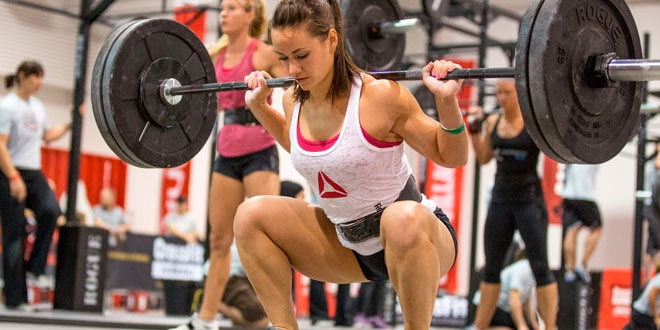
Remember that load intensity (%1RM) is the most decisive factor in hypertrophy, accompanied by metabolic stress. The problem I find, from experience, is that the Bulgarian squat generally isn’t performed with the same equivalent intensity as traditional squats.
If that condition is met, this exercise, along with some front squats, could be established as the basic exercises for a knee-dominant session (the torso tends to be more upright than in back squats) without needing to do traditional squats.
If you use this exercise, it’s very important that the back leg doesn’t go so far back that the hip flexors start tilting the pelvis forward. Sometimes, using a fixed rear support (e.g., bench, box) can cause this error due to limited freedom of movement.
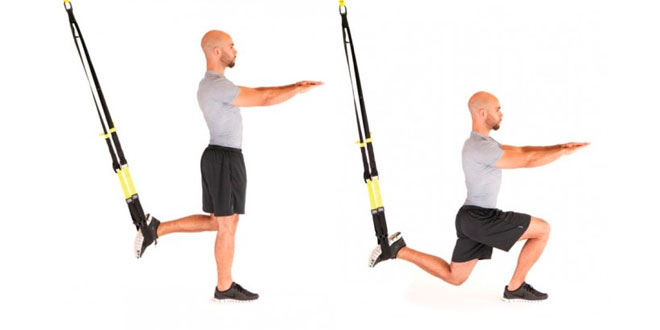
Suspension support is a recommended solution (personally, I feel more comfortable with this support) to fix this
Sources
- Bompa, T. O. (2003). Periodization. Theory and methodology of training. Editorial Hispano Europea.
- DeForest, B. A., Cantrell, G. S., & Schilling, B. K. (2014). Muscle Activity in Single-vs. Double-Leg Squats. International Journal of Exercise Science, 7(4), 6.
- Jones, M. T., Ambegaonkar, J. P., Nindl, B. C., Smith, J. A., & Headley, S. A. (2012). Effects of unilateral and bilateral lower-body heavy resistance exercise on muscle activity and testosterone responses. The Journal of Strength & Conditioning Research, 26(4), 1094-1100.
- Speirs, D. E., Bennett, M., Finn, C. V., & Turner, A. P. (2015). Unilateral vs Bilateral Squat training for Strength, Sprints and Agility in Academy Rugby Players. Journal of Strength and Conditioning Research.
Related posts