Fitness, Nutrition, Health and Sports Blog In the HSNstore Blog you will find tips about Fitness, sport in general, nutrition, and health – HSNstore.com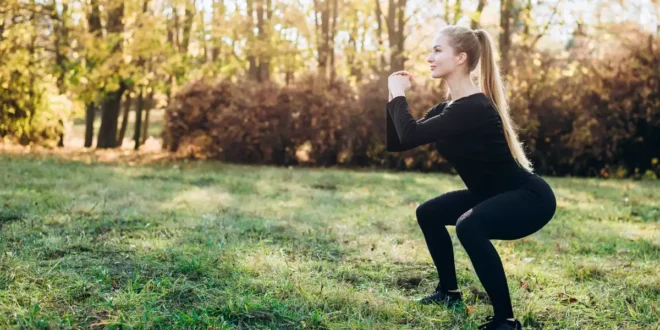

Squats are like a multi-tool to get you in shape. I’ve been seeing for years how this move makes a huge difference when done right.
It’s not just about going down and up, so here’s the technique to nail the perfect basic squat. Take note of the step-by-step to work those quads and glutes:

- Place your feet hip-width apart, toes slightly turned out. Take a deep breath before you start descending to oxygenate your body and prep your core (abs and lower back).
- Bend your hips and knees like you’re sitting on an invisible chair. Keep your chest up and eyes forward. Hold your breath (slightly) or exhale gently as you go down (this helps keep intra-abdominal pressure and stability).
- Go as low as your mobility allows (ideally, thighs parallel to the floor). If you pause briefly, hold your breath or exhale a bit to get ready for the way up.
- Push through your heels, activating your glutes as you return to the starting position and exhale strongly on the way up.
Reps and sets
| Level | Sets | Reps | Tips |
| Beginners | 2-3 | 8-12 | Focus on technique before adding weight |
| Advanced | 4-6 | 6-12 | Add extra load |
Squat variations
Breathing in these exercises: always inhale on the way down, exhale on the way up.
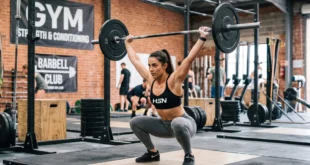
1. Front squat
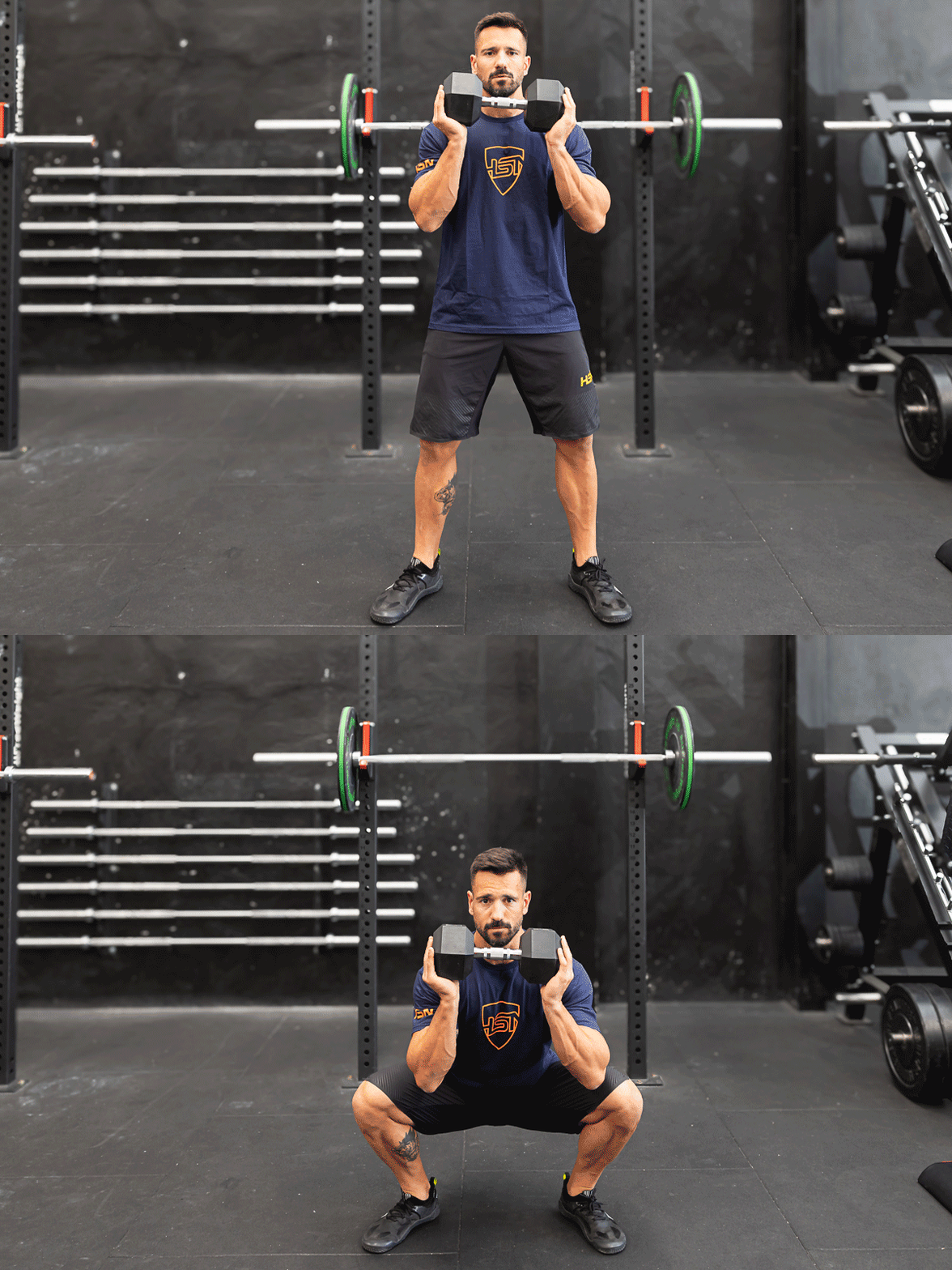
- Rest the load on the front of your shoulders, just below the collarbone.
- Place your feet shoulder-width apart, toes slightly turned out.
- Keep your torso as upright as possible throughout the movement.
- Lower until your thighs are parallel to the floor or a bit lower, making sure your knees don’t go past your toes.
- Push up through your heels, keeping your core engaged.
2. Bulgarian split squat

- Stand facing a bench or other elevated surface.
- Extend one leg back and rest the top of your foot on the surface.
- The front leg should be far enough forward so your knee doesn’t go past your toes when you lower down.
- Lower your body until the front thigh is parallel to the floor.
- Keep your torso upright and avoid leaning too far forward.
- Push up through the heel of your front leg.
3. Sumo squat

- If you’re using a barbell, place it on your traps like in a traditional squat.
- If you’re using dumbbells or kettlebells, hold them with both hands in front of your body.
- Set your feet wider than shoulder-width, toes pointing out at a 45-degree angle.
- Lower down keeping your knees aligned with your feet, until you feel tension in your adductors.
- Push up through your heels, keeping your chest up.
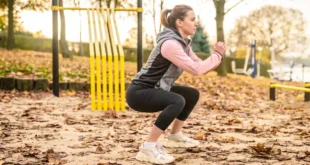
4. Squat with resistance band
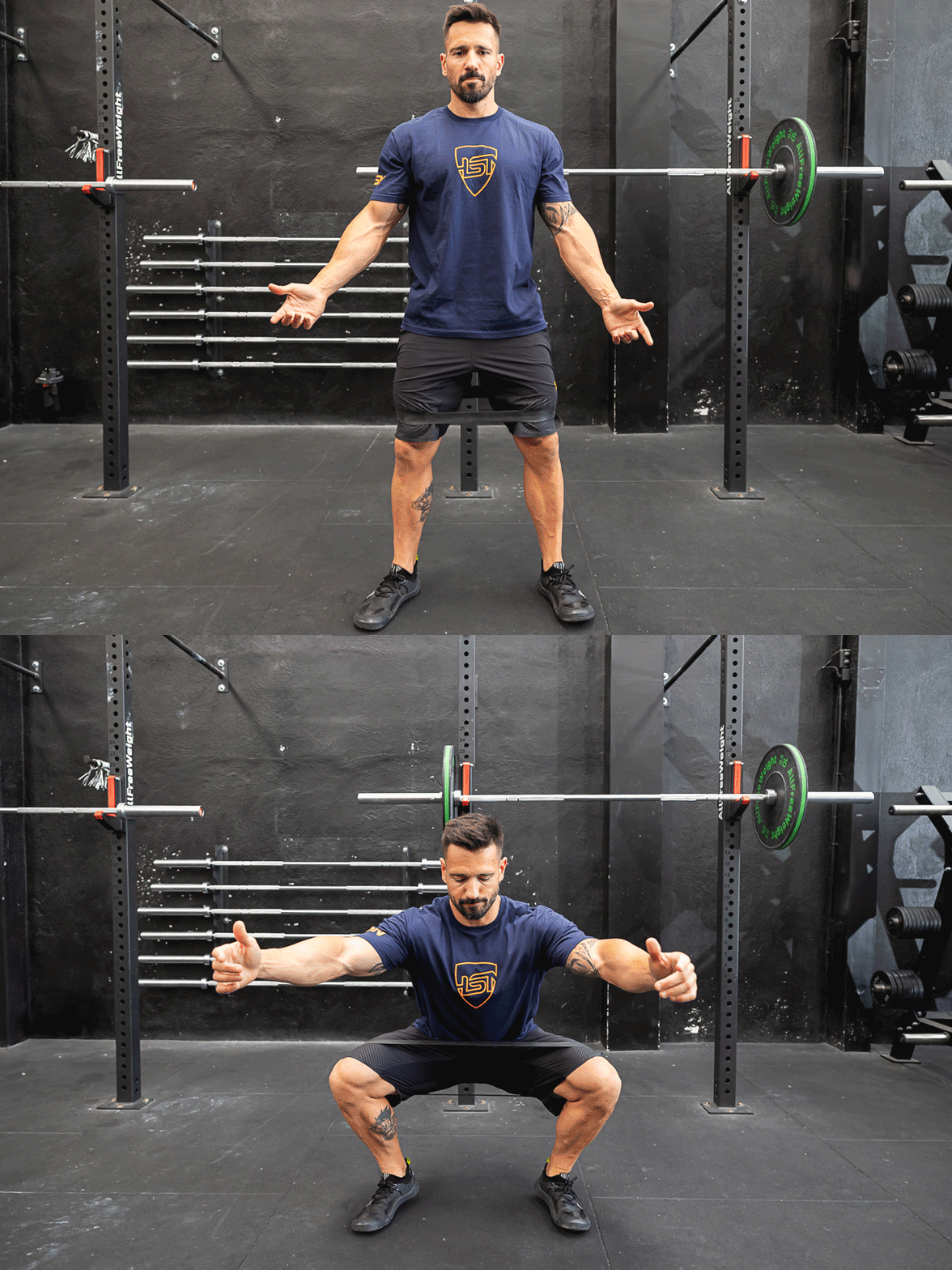
- Place a resistance band around your thighs, just above your knees, and stand with your legs shoulder-width apart.
- Perform a traditional squat, making sure to keep the band tight. This forces you to keep your knees aligned with your feet.
- Push through your heels to return to the starting position, feeling your glutes activate with each rep.
5. Sissy squat
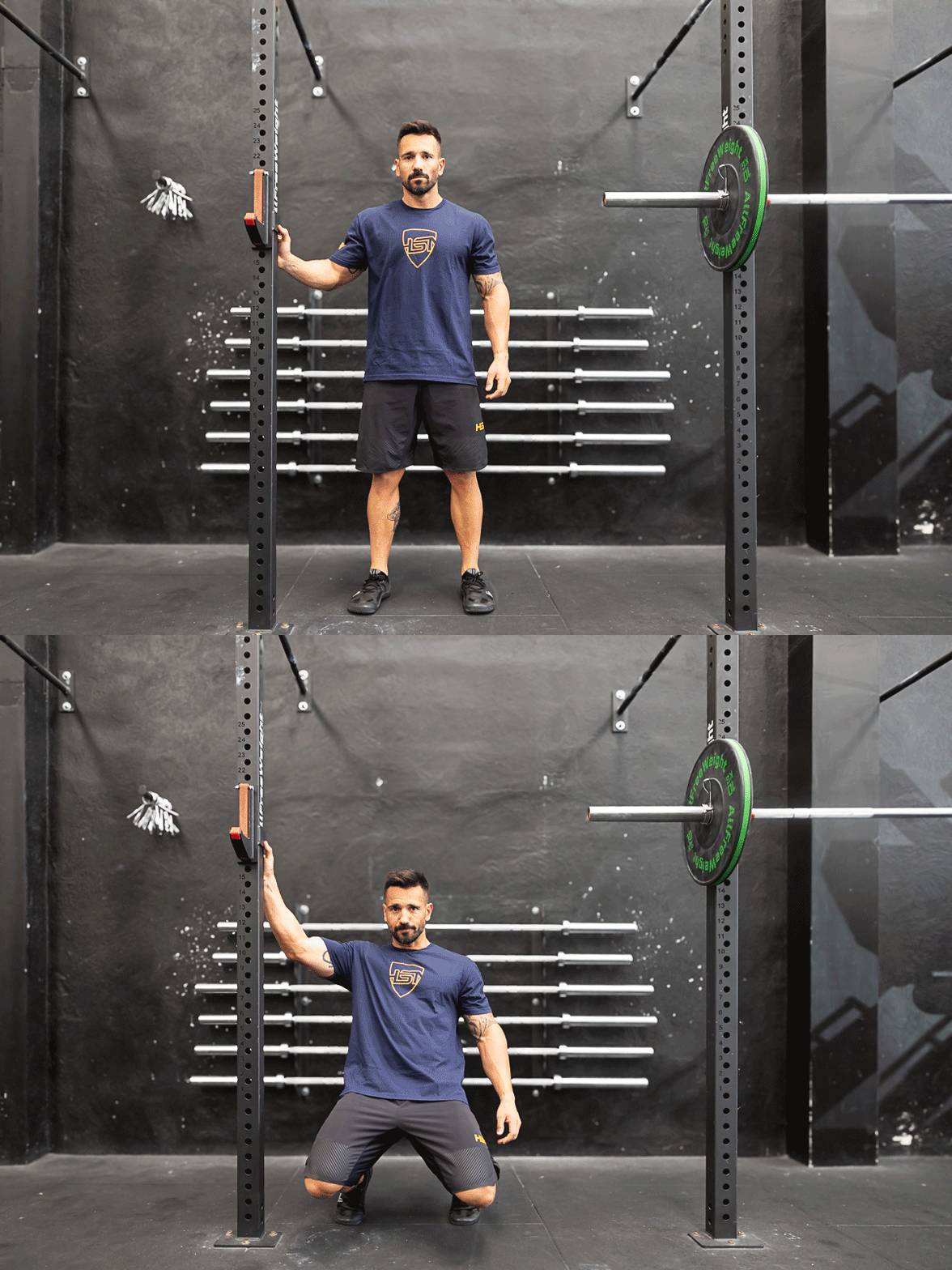
- Stand with your feet together and hands on your hips or holding onto something for balance.
- Lean your torso back as you descend, keeping your knees aligned with your toes. Go as low as your control allows.
- Return to the starting position, maintaining control and tension in your quads.
6. Isometric squat
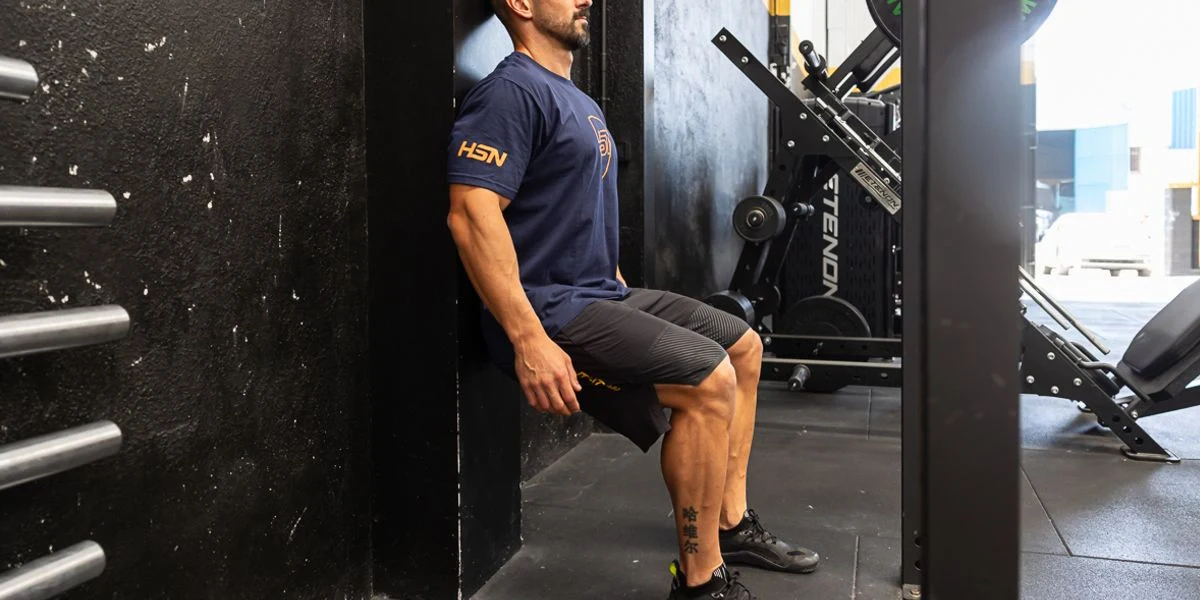
- Get into the low squat position, with thighs parallel to the floor and knees bent at 90°.
- Hold this position for 30 seconds or more, keeping your core active and back straight.
- Return to standing.
Don’t forget these tips
- Keep your whole body under tension.
- Best stance (foot width): roughly biacromial width, meaning shoulder width.
- Keep the three points of the foot arch to push and distribute force properly.
- Knees should bend in line with the direction your feet point.
- Activate the pelvitrochanteric muscles: “break the floor” by trying to externally rotate your feet once planted to activate the muscles that externally rotate the hip and stay more stable in deep squat positions.
- Descent speed: maintain control, the faster the better.
- Squat depth: the more range of motion, the bigger the gains in all aspects (strength, hypertrophy, mobility, coordination…)
References
- Hartmann, H., Wirth, K., & Klusemann, M. (2013). Analysis of the load on the knee joint and vertebral column with changes in squatting depth and weight load. Sports medicine (Auckland, N.Z.), 43(10), 993–1008.
- Nuckols, G. (2020). How to Squat: The Definitive Guide • Stronger by Science.
Related posts
- When to use wraps in squats?
- Why does valgus happen in squats?
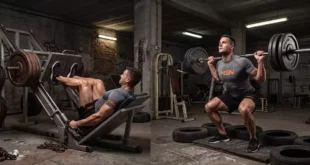
- Free Squats VS Smith Machine
- Experienced users can use the Valsalva technique when handling heavy loads.