 Fitness, Nutrition, Health and Sports Blog In the HSNstore Blog you will find tips about Fitness, sport in general, nutrition, and health – HSNstore.com
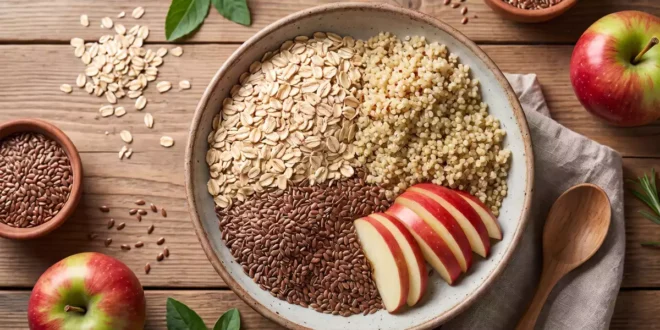

High-fiber foods are essential for maintaining a balanced diet and supporting the normal functioning of the digestive system.
Fruits, vegetables, legumes, whole grains, and seeds are some of the main sources of dietary fiber. But which foods contain the most fiber, and how much do we need each day?
What is dietary fiber and what does it do?
Dietary fiber consists of plant-derived components that are not digested by enzymes in the small intestine.
Unlike other carbohydrates, fiber reaches the large intestine either completely or partially, where some of its components can be fermented by the gut microbiota.
Its main functions include:
- Intestinal transit: certain types of fiber help increase stool bulk and facilitate bowel movements.
- Gut microbiota: some fermentable fibers serve as substrates for intestinal microorganisms.
- Satiety: high-fiber foods may help prolong feelings of fullness.
- Cholesterol and glucose: certain fibers, such as beta-glucans from oats and barley, have recognized physiological properties under specific conditions of consumption.
Types of fiber: soluble and insoluble
Dietary fiber is commonly classified into two main groups:
| Soluble fiber | Insoluble fiber |
| Dissolves or disperses in water. Some types form gels and can be fermented. | Does not dissolve in water, and some types help increase stool bulk. |
| Examples: pectins, beta-glucans, and psyllium. | Examples: cellulose, lignin, and certain hemicelluloses. |
| Sources: oats, fruits, legumes, and seeds. | Sources: wheat bran, whole grains, and vegetables. |
Both types of fiber are important and are often found together in plant-based foods.
Top 10 high-fiber foods
Here are some foods you can include in your diet to increase your daily fiber intake.
| Food | Fiber per 100 g |
| Chia seeds | 34 g |
| Flaxseeds | 27 g |
| Almonds | 12.5 g |
| Rolled oats | 10 g |
| Raspberries | 6.5 g |
| Avocado | 6.7 g |
| Cooked lentils | 7.9 g |
| Cooked chickpeas | 7.6 g |
| Artichokes | 5.4 g |
| Apple with skin | 2.4 g |
Approximate values per 100 g of food in the stated form. Values may vary depending on the variety, preparation method, and nutritional composition data source. This table presents a selection of foods rather than a strict ranking from highest to lowest fiber content.
To achieve a varied fiber intake, it is advisable to combine different plant-based sources throughout the day.
How much fiber should you eat per day?
The European Food Safety Authority (EFSA) establishes an adequate intake of 25 g of fiber per day for adults, although some dietary recommendations suggest aiming for approximately 30 g daily.
To increase your fiber intake, you can:
- Include fruits and vegetables in your daily diet.
- Eat legumes several times a week.
- Choose whole grains instead of refined grain products.
- Add seeds and nuts to breakfast and other meals.
- Gradually increase your fiber intake and maintain adequate hydration.
What happens if you eat too little or too much fiber?
A low-fiber diet may be associated with reduced stool bulk and difficulties maintaining regular bowel movements.
On the other hand, suddenly increasing your fiber intake can cause gas, abdominal bloating, or digestive discomfort, particularly in people who are not accustomed to eating much fiber.
For this reason, it is advisable to increase fiber intake gradually, adjusting the amount according to individual tolerance.Fiber supplements
Although food should be the main source of dietary fiber, supplements are available that allow certain types of fiber to be added to the diet.
Some of the best-known options include psyllium, apple fiber, and inulin, each with different characteristics in terms of solubility, viscosity, and fermentability.
- Explore our selection of high-fiber foods from HSN.
Frequently asked questions about high-fiber foods
Which foods contain the most fiber?
Foods with particularly high fiber concentrations include chia seeds, flaxseeds, nuts, legumes, and certain whole grains.
Which fruit contains the most fiber?
Raspberries, avocados, pears, and apples with their skin are good options for increasing dietary fiber intake through fruit.
Is soluble or insoluble fiber better?
Neither is inherently better. Both have different properties and are part of a balanced diet.
Can you eat fiber every day?
Yes. In fact, eating high-fiber foods daily is recommended, with quantities adjusted to individual needs and tolerance.
Related Articles
- How can you improve your gut flora?
- Do you know the properties of apple fiber?
- What is the best fiber supplement?