Fitness, Nutrition, Health and Sports Blog In the HSNstore Blog you will find tips about Fitness, sport in general, nutrition, and health – HSNstore.com

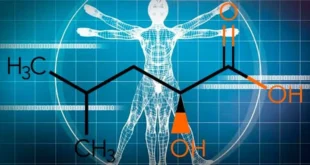
A fitness diet, or one aimed at maximising the synthesis of new tissues, should prioritise the best sources that offer the optimal balance of elements driving growth processes, namely the Amino Acids.
Amino acids are the building blocks that provide basic functions essential for all processes associated with the concept of “construction.” As we know, proteins are composed of chains of amino acids linked together, and depending on the types that combine, they encode different forms of this protein nutrient.
Often, there is a greater focus on maintaining dietary guidelines that include foods offering a balanced spectrum of nutrients (both macronutrients and micronutrients), which is undeniably important. However, it often goes unnoticed that, when our goal is to achieve proper recovery and muscle growth, the amino acid profile of
protein-rich foods becomes critical.
The body uses amino acids not only for structural functions (building and repairing tissues) but also assigns them essential physiological roles within the organism, such as digesting food, maintaining the nervous system, forming and enabling enzyme functions, or transporting molecules like oxygen throughout the body.
The Fitness Lifestyle helps us understand and identify the types of food, thereby obtaining the maximum benefit from their contribution to our diet.
Complete Proteins
Complete proteins refer to foods that provide all the amino acids necessary to support both our health and the regeneration and development of muscle, with particular emphasis on Essential Amino Acids or EAAs. As the name suggests, our bodies cannot synthesise them, so their intake becomes essential through diet or via sports supplementation.
Regarding where to find complete proteins, they are primarily obtained from animal-based foods. However, it is entirely possible to achieve an excellent balance of amino acids from plant-based foods. In these cases, the content of certain amino acids tends to include a limiting amino acid, meaning they may lack or be deficient in a specific amino acid in their aminogram. This is why combining plant-based proteins is often recommended.
Types of Amino Acids
Not all amino acids serve the same purpose. Certain groups share common characteristics depending on their function. Others, however, are required to synthesise other types of amino acids.
Proteinogenic Amino Acids
This group comprises amino acids used for protein synthesis. There are 20 types of these amino acids, classified into three groups:
- Essential: Our genetic code does not include the ‘instructions’ to synthesise these amino acids, so obtaining them externally is crucial. This is an important factor when assessing the aminogram of protein-rich foods.
- Non-Essential: As the name suggests, these can be synthesised without requiring dietary intake, provided certain conditions are met, such as the presence of sufficient essential amino acids, enzymes, and the absence of certain health issues.
- Conditionally Essential: These fall in between the other two groups. While our bodies have the mechanisms to synthesise them, certain situations can impair or limit their production, failing to meet the necessary demand. Such cases include trauma, stress periods, injuries, wounds, or infections. In these scenarios, non-essential amino acids become “conditional” and require external supplementation. A well-known example is Glutamine, particularly among athletes and fitness enthusiasts who engage in high-volume and high-intensity training.
The word proteinogenic means the construction or creation of proteins.
Amino Acid Table
| Essential | Non-Essential | Conditionally Essential |
| Leucine | Alanine | Arginine |
| Isoleucine | Aspartic Acid | Glutamine |
| Valine | Glutamic Acid | Cysteine |
| Lysine | Serine | Glycine |
| Methionine | Asparagine | Proline |
| Phenylalanine | Tyrosine | |
| Histidine | ||
| Threonine | ||
| Tryptophan |
Table with the 20 proteinogenic amino acids
Non-Proteinogenic Amino Acids
Non-proteinogenic amino acids belong to a separate group that shares a similar structure with amino acids but do not form any type of protein, as they are not encoded within the genetic information of any organism. They are referred to as ‘non-natural’ or ‘non-protein’ amino acids, with roles as auxiliary agents in reactions within the body, neurotransmitters, and more.
Examples of these amino acids include Citrulline, DOPA, Ornithine, GABA, Beta-Alanine, among others.
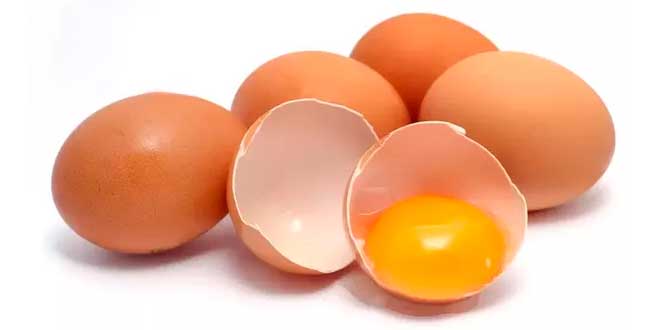
The egg is possibly one of the most nutritionally complete foods, with a high concentration of micronutrients, as well as providing essential proteins and fats.
Protein-Rich Foods with the Highest Amino Acid Content
Below are the amino acid profiles of the main protein-rich foods most commonly consumed by the fitness community and by a large portion of the population.
This includes both animal-based and plant-based protein sources, as follows:
Animal-Based Sources
- Eggs
- Chicken
- Turkey
- Beef
- Salmon
- Tuna
- Soy
- Peas
- Oats
- Brown Rice
- Quinoa
- Beans
I consider it a useful reference to determine which option suits us best, based on both its protein and amino acid content, particularly focusing on the essential ones, and specifically, the BCAAs.
This way, we can establish a foundation to assess dietary contributions and the potential benefits of certain amino acid supplements, which can facilitate the intake of these nutrients under specific circumstances and according to individual requirements.
- Turkey with 4560mg
- Tuna with 4118mg
- Chicken with 4096mg
The total amount of Essential Amino Acids per 100g provided by these foods is:
- Turkey with 10693mg
- Tuna with 9908mg
- Chicken with 9575mg
On the plant-based side, the top three are:
- Beans with 3809mg, including 8551mg of Essential Amino Acids
- Oats with 2915mg, including 6037mg of Essential Amino Acids
- Soya with 2072mg, including 4611mg of Essential Amino Acids
Regarding the total protein content per 100g, animal-based foods average around 20%, while plant-based options tend to be slightly lower, averaging between 10-15%.

Combining different vegan protein sources is a strategy to ensure a complete amino acid profile in our diet
Comparison with Whey Protein Isolate
Let’s examine the amino acid content provided by this product. While not categorised within the previous group, it is evident that this is another source of protein. Moreover, thanks to its nutritional richness and a range of properties, it can become a staple in our diet, whether we are athletes or not.
Whey Protein Isolate 92%
In this case, let’s use a 30g serving as a reference to approximate the protein value of the previously mentioned sources.
- Protein content = 27.6g
- Total BCAAs per 30g = 6870mg
- Total EAAs per 30g = 14820mg
Comparison with Soy Protein Isolate
To also include a comparison for vegan foods, we’ll use isolated protein derived from soya.
Soy Protein Isolate
We also use a 30g scoop measurement:
- Protein content = 23.6g
- Total BCAAs per 30g = 4026mg
- Total EAAs per 30g = 8741mg
Aminogram of Protein Foods
Aminogram of Egg per 100g
Protein content = 12.5g
Essential Non-Essential Conditionally Essential Leucine 1088mg Alanine 736mg Arginine 821mg Isoleucine 672mg Aspartic Acid 1330mg Tyrosine 500mg Valine 859mg Glutamic Acid 1676mg Cysteine 272mg Lysine 914mg Serine 973mg Glycine 432mg Methionine 380mg Proline 513mg Phenylalanine 681mg Histidine 309mg Threonine 556mg Tryptophan 167mg - Aminogram of Chicken (Breast)
Protein content = 23g
Essential Non-Essential Conditionally Essential Leucine 1732mg Alanine 1260mg Arginine 1393mg Isoleucine 1219mg Aspartic Acid 2058mg Tyrosine 779mg Valine 1145mg Glutamic Acid 3458mg Cysteine 296mg Lysine 1962mg Serine 794mg Glycine 1134mg Methionine 639mg Proline 949mg Phenylalanine 916mg Histidine 717mg Threonine 975mg Tryptophan 270mg - Aminogram of Turkey (Breast)
Protein content = 25g
Essential Non-Essential Conditionally Essential Leucine 1960mg Alanine 1523mg Arginine 1716mg Isoleucine 1279mg Aspartic Acid 2389mg Tyrosine 972mg Valine 1307mg Glutamic Acid 4015mg Cysteine 256mg Lysine 2318mg Serine 1094mg Glycine 1220mg Methionine 712mg Proline 1023mg Phenylalanine 976mg Histidine 768mg Threonine 1094mg Tryptophan 279mg - Aminogram of Beef per 100g
Protein content = 20g
Essential Non-Essential Conditionally Essential Leucine 1637mg Alanine 1250mg Arginine 1309mg Isoleucine 931mg Aspartic Acid 1893mg Tyrosine 696mg Valine 1008mg Glutamic Acid 3112mg Cysteine 232mg Lysine 1724mg Serine 792mg Glycine 1130mg Methionine 530mg Proline 915mg Phenylalanine 809mg Histidine 709mg Threonine 905mg Tryptophan 232mg - Aminogram of Salmon
Protein content = 21g
Essential Non-Essential Conditionally Essential Leucine 1615mg Alanine 1271mg Arginine 1221mg Isoleucine 968mg Aspartic Acid 2025mg Tyrosine 759mg Valine 1107mg Glutamic Acid 2830mg Cysteine 219mg Lysine 1870mg Serine 896mg Glycine 960mg Methionine 626mg Proline 721mg Phenylalanine 845mg Histidine 549mg Threonine 860mg Tryptophan 209mg - Aminogram of Tuna
Protein content = 23g
Essential Non-Essential Conditionally Essential Leucine 1900mg Alanine 1414mg Arginine 1399mg Isoleucine 1077mg Aspartic Acid 2394mg Tyrosine 789mg Valine 1204mg Glutamic Acid 3489mg Cysteine 251mg Lysine 2147mg Serine 954mg Glycine 1122mg Methionine 692mg Proline 827mg Phenylalanine 913mg Histidine 688mg Threonine 1025mg Tryptophan 262mg - Aminogram of Soy (per 100g)
Protein content = 13g
Essential Non-Essential Conditionally Essential Leucine 926mg Alanine 582mg Arginine 1042mg Isoleucine 570mg Aspartic Acid 1508mg Tyrosine 464mg Valine 576mg Glutamic Acid 2433mg Cysteine 118mg Lysine 775mg Serine 721mg Glycine 539mg Methionine 157mg Proline 607mg Phenylalanine 586mg Histidine 348mg Threonine 516mg Tryptophan 157mg - Aminogram of Peas (per 100g)
Protein content = 5.4g
Essential Non-Essential Conditionally Essential Leucine 323mg Alanine 240mg Arginine 428mg Isoleucine 195mg Aspartic Acid 496mg Tyrosine 114mg Valine 235mg Glutamic Acid 741mg Cysteine 32mg Lysine 317mg Serine 181mg Glycine 184mg Methionine 82mg Proline 173mg Phenylalanine 200mg Histidine 107mg Threonine 203mg Tryptophan 37mg - Aminogram of Brown Rice (per 100g)
Protein content = 7.9g
Essential Non-Essential Conditionally Essential Leucine 657mg Alanine 463mg Arginine 602mg Isoleucine 336mg Aspartic Acid 743mg Tyrosine 298mg Valine 466mg Glutamic Acid 1618mg Cysteine 96mg Lysine 303mg Serine 411mg Glycine 391mg Methionine 179mg Proline 372mg Phenylalanine 410mg Histidine 202mg Threonine 291mg Tryptophan 101mg - Aminogram of Quinoa (per 100g)
Protein content = 14g
Essential Non-Essential Conditionally Essential Leucine 840mg Alanine 588mg Arginine 1091mg Isoleucine 504mg Aspartic Acid 1134mg Tyrosine 267mg Valine 594mg Glutamic Acid 1865mg Cysteine 203mg Lysine 766mg Serine 567mg Glycine 694mg Methionine 309mg Proline 773mg Phenylalanine 593mg Histidine 407mg Threonine 421mg Tryptophan 167mg - Aminogram of Oats (Flakes) (per 100g)
Protein content = 15g
Essential Non-Essential Conditionally Essential Leucine 1284mg Alanine 881mg Arginine 1192mg Isoleucine 694mg Aspartic Acid 1448mg Tyrosine 573mg Valine 937mg Glutamic Acid 3712mg Cysteine 408mg Lysine 701mg Serine 750mg Glycine 841mg Methionine 312mg Proline 934mg Phenylalanine 895mg Histidine 405mg Threonine 575mg Tryptophan 234mg - Aminogram of Beans (per 100g)
Protein content = 22g
Essential Non-Essential Conditionally Essential Leucine 1725mg Alanine 905mg Arginine 1337mg Isoleucine 954mg Aspartic Acid 2613mg Tyrosine 608mg Valine 1130mg Glutamic Acid 3294mg Cysteine 235mg Lysine 1483mg Serine 1175mg Glycine 843mg Methionine 325mg Proline 916mg Phenylalanine 1168mg Histidine 601mg Threonine 909mg Tryptophan 256mg
Sources
http://nutritiondata.self.com
Related Posts
- How Essential Amino Acids Can Improve Your Performance.
- Is It Better to Take Proteins or Amino Acids?
- What Is Protein Synthesis and How to Improve It?
- All About BCAAs.
- Benefits of Glutamine.
- Properties of Arginine.
- What Are the Effects of a High-Protein Diet?