Fitness, Nutrition, Health and Sports Blog In the HSNstore Blog you will find tips about Fitness, sport in general, nutrition, and health – HSNstore.com

Do you want to get the most out of your protein and glutamine supplements? You’re in the right place. In this post, we’ll discuss how taking glutamine and protein effectively can make a significant difference in your training.

What is the appropriate dosage?
The optimal dosage of supplements varies depending on your weight and the type of training you do. The recommended amounts are:
Protein Dosage
As a general rule, it is recommended that adults consume between 0.8 and 1 gram of protein per kilogram of body weight per day to maintain basic nutrition.
- Example for a 70 kg person: 70 kg×1.6 g/kg = 112 grams of protein per day.
Glutamine Dosage
For those involved in intense training or strenuous physical activities, such as weightlifting or prolonged endurance training, the dose can increase.
Some experts suggest that these individuals could benefit from taking up to 20 grams of glutamine per day, divided into several doses.
- For a 70 kg person, the daily dose is approximately 5 grams.
When is the best time to take glutamine and protein together?
- Post-Workout: consuming them immediately after exercise helps muscle recovery and protein synthesis.
- Before Bed: taking glutamine and protein before bedtime can support muscle recovery and growth during sleep, when the body repairs itself.
- Between Meals: using these supplements between meals can help maintain stable levels of amino acids in the blood, which is beneficial for muscle growth and repair.
- Pre-Workout: for long or intense workouts, taking glutamine and protein before can help increase endurance and reduce muscle damage.
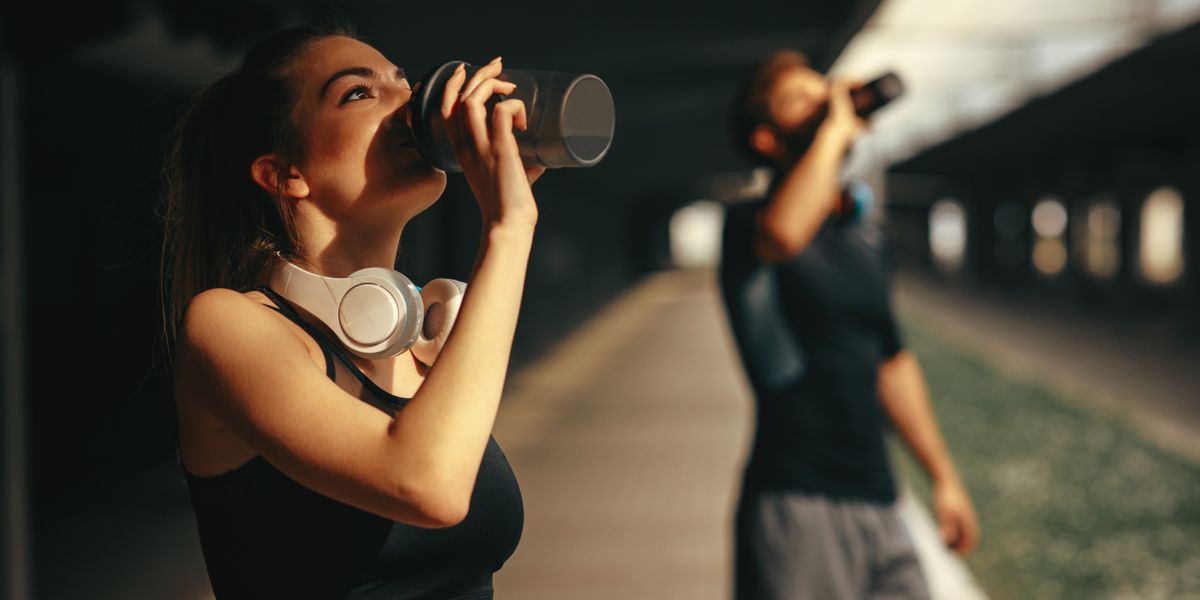
What is the purpose of taking proteins with glutamine?
Taking proteins with glutamine is an effective strategy to improve muscle recovery, increase protein synthesis, and strengthen the immune system.
Is this combination safe?
The combination of creatine and glutamine, when administered in the correct doses, is recognized for its safety and efficacy. Both supplements have been widely supported by scientific research confirming their usefulness and safety in use.
It is important to adhere to the recommended dosage guidelines and personalize them according to your individual needs.
This ensures that you maximize their benefits while maintaining safe and beneficial use.
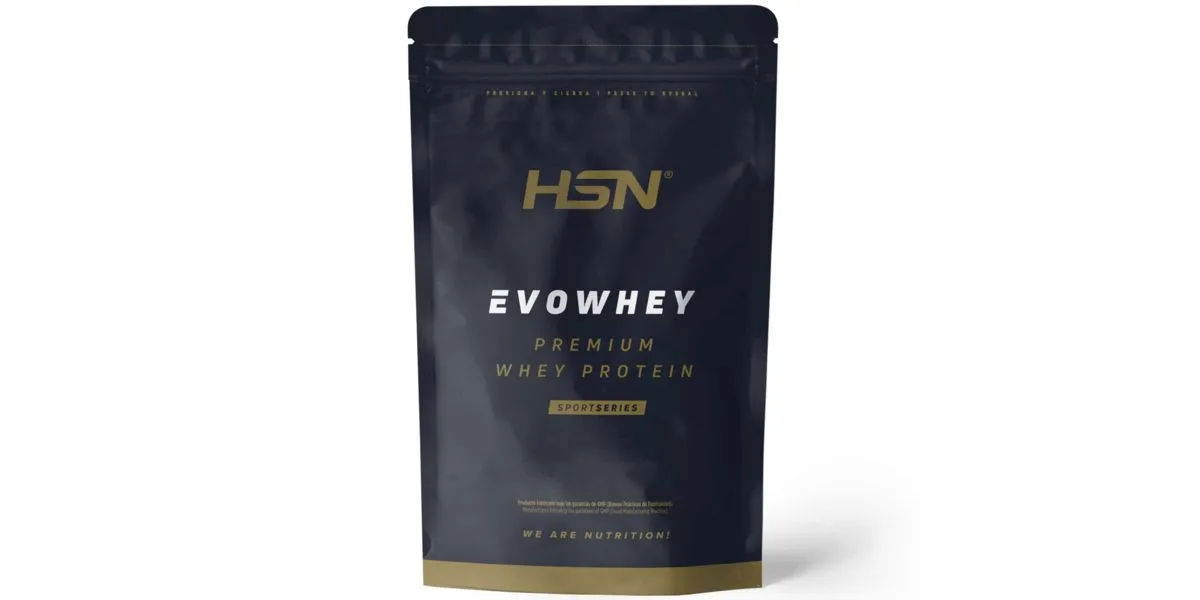
Evowhey Protein by SportSeries
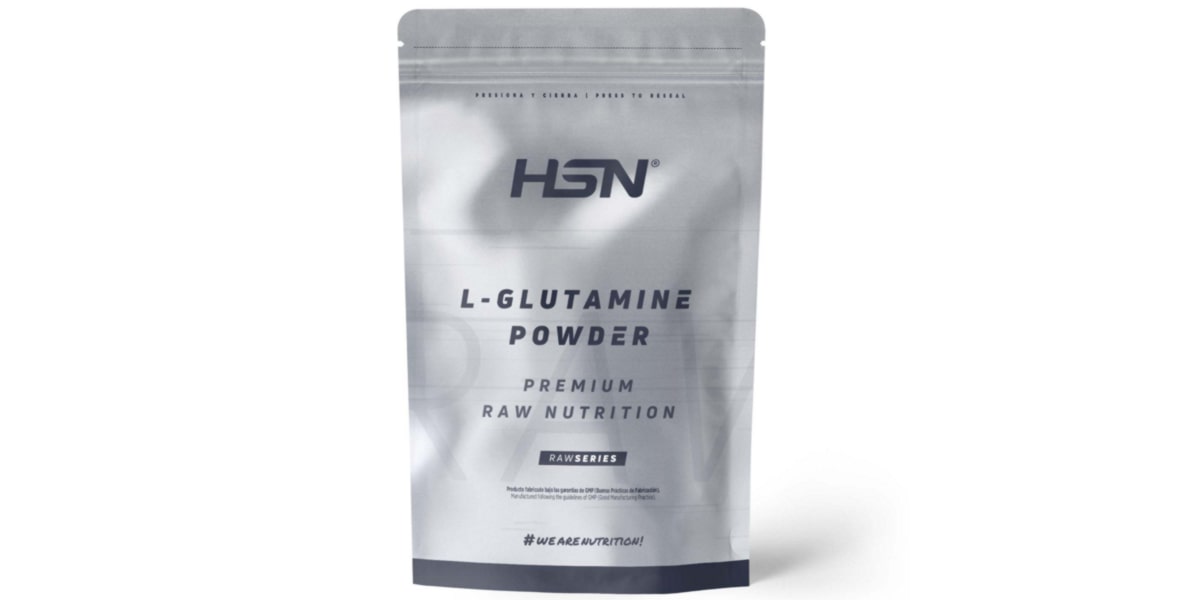
L-Glutamine powder by RawSeries
How to enhance this combination?
- With Creatine: adding creatine to the mix can enhance strength and training capacity by increasing energy production in muscles. Ideal for intensifying workouts and improving muscle recovery.
- With BCAAs: integrating BCAAs (branched-chain amino acids) helps reduce fatigue during exercise and promotes protein synthesis. It is perfect for faster recovery and for protecting muscle tissue during and after intense workouts.
You might be interested in these combinations:
References
- Gleeson, M. (2008). Dosing and efficacy of glutamine supplementation in human exercise and sport training. The Journal of Nutrition, 138(10), 2045S-2049S. https://academic.oup.com/jn/article/138/10/2045S/4670126
- Effects of glutamine supplementation on muscle function and stress responses in a mouse model of spinal cord injury.
- MacLean D.A., Graham T.E. and Saltin B(1994).Branched-chain amino acids augment ammonia metabolism while attenuating protein breakdown during exercise. American Journal of Physiology 267, E1010-1022.
- Fern E.B., Bielinski R.N. and Schutz Y(1991). Effects of exaggerated amino acid and protein supply in man. Experientia 47, 168-172.
- Lemon P.W.R(1995). Do athletes need more dietary protein and amino acids?. International Journal of Sports Nutrition 5, S39-S61.
Related Posts
- How to Take Glutamine Effectively
- Improve Your Performance with the Combination of Creatine and Glutamine