 Fitness, Nutrition, Health and Sports Blog In the HSNstore Blog you will find tips about Fitness, sport in general, nutrition, and health – HSNstore.com


After reading about the benefits and properties of tryptophan, you’ll get why this amino acid has to become part of your nutrition plan from now on. In fact, we bet its name won’t be missing from your fridge list as soon as you notice your reserves running low.
If you’ve been going back and forth on the idea of supplementing with a nutrient that helps you sleep well, boost your mood, control your appetite, and recharge your batteries to the max, you’re the perfect match and you’ve come to play, so you’ll give it your all to enjoy its many benefits. Are you ready?

Promotes healthy sleep
Ready to take on the challenge of never counting sheep again? Sleeping well is one of the cornerstones of your health, and for that, you need to work on keeping your sleep cycles healthy.
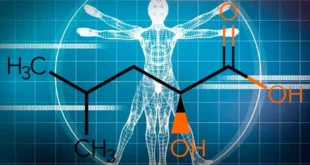
The key lies in serotonin production and tryptophan turns into serotonin, the neurotransmitter that promotes happiness and overall well-being. This, in turn, leads to relaxation.
Without enough serotonin, your body can’t produce melatonin, which regulates sleep cycles, and insomnia will soon crash your bed. Take tryptophan supplements if you don’t want constant awakenings to become your new nighttime buddies.

Boosts mood
If there’s a nutrient that screams “Hakuna Matata”, it’s tryptophan. “Live and be happy” seems to be the motto of this amazing supplement, whose optimal levels are linked to a stable mood. By the way, combined with others like vitamin B6, magnesium, melatonin, or 5-HTP, it’s unbeatable.
To make matters worse, low serotonin levels have also been linked to increased cravings for carbs and sleep problems, which simultaneously raise the chances of depression and other emotional well-being issues. In short, if you don’t fix it, you’re stuck in a “vicious cycle.”
Tryptophan is a great cognitive booster
Without proper, effective rest, your brain just won’t perform. You’ve probably experienced it: after a sleepless night, the next day it’s way harder to tackle any cognitive task like studying, working on a project, or joining a meeting.
You’re likely caught in a kind of “mental fog” that clouds your thinking or makes it tougher than usual to respond to expected demands.
This is easy to explain since serotonin’s role in cognition has been repeatedly studied and, therefore, almost fully understood. That’s why it’s known that low serotonin levels are linked to cognitive decline, especially memory.
As if that weren’t enough, experts have suggested researching serotonin receptors to improve cognitive ability in depression and Alzheimer’s.

Improves memory
Tryptophan plays a full role in cognitive performance. First off, it’s the chemical precursor to serotonin. We just mentioned that low cognitive performance is linked to memory decline. So, sensu contrario, we can confidently say that adequate levels of this amino acid boost memory.
And memory capacity isn’t trivial. In fact, it’s essential for people’s physical and emotional development. After all, if we couldn’t remember, every day would be like a “new birth.” That’s why researchers place huge importance on finding a formula to end the so-called “malady of forgetfulness,” aka Alzheimer’s.
Controls appetite
Although the debate about whether tryptophan helps with weight loss continues, there’s unanimous agreement that maintaining a healthy serotonin production helps prevent anxiety attacks and cravings.
The result? Whether tryptophan directly affects weight loss or not, your figure will be the big winner and your look will start racking up plenty of “likes.”

Tryptophan and sports performance, is there chemistry?
We confirm it: there’s chemistry—and good chemistry at that! Maybe it’s not one of tryptophan’s most famous properties, but that doesn’t make it any less important. Boosting physical and sports performance should be reason enough per se to put tryptophan among the top-selling supplements.
A benefit that’s been studied nonstop over recent decades but not everyone has known how to take advantage of. “Squeeze” the most out of tryptophan in foods and supplements to boost your neural drive, leading to increased physical performance during exercise.
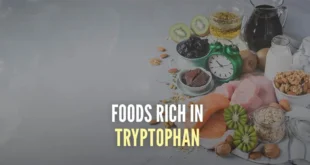
Check out the list and amounts of foods with tryptophan here – https://www.hsnstore.eu/blog/nutrition/amino-acids/tryptophan/foods/
Surprised by tryptophan’s benefits? Trust its key role in forming serotonin, the neurotransmitter linked to calm, pleasure, and good mood. Say hello to happiness!