Fitness, Nutrition, Health and Sports Blog In the HSNstore Blog you will find tips about Fitness, sport in general, nutrition, and health – HSNstore.com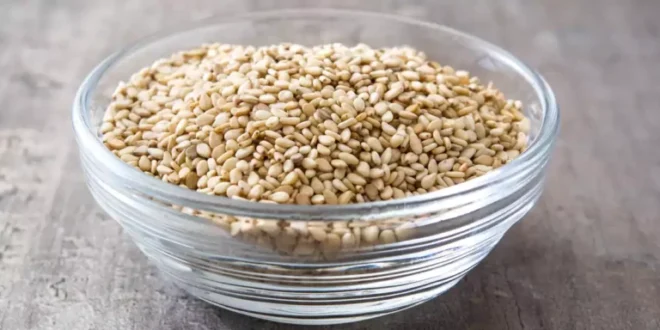

Sesamum indicum, commonly known as sesame, is an oilseed plant whose seeds have been valued since ancient times for their culinary uses and outstanding nutritional and medicinal properties. Native to Africa and India, its cultivation has spread across the globe, becoming a staple ingredient in many cuisines, from the Mediterranean to Asia.
These tiny seeds are a true nutritional treasure, packed with healthy fats, protein, fibre, vitamins and minerals. Their versatility means they can be added to a wide variety of dishes, bringing their characteristic flavour and texture along with a host of health benefits.
Although sesame is often referred to generically, there are actually three main varieties, each differing in colour, flavour and, to some extent, nutritional profile:
- White sesame: the most common and widely used in Western cooking. It’s typically sold hulled (dehulled), which gives it a milder flavour and less crunchy texture. It’s the main ingredient in tahini, a staple paste in Middle Eastern cuisine used to make dishes like hummus.
- Golden or whole sesame: this variety retains its hull, giving it a darker colour and a more intense, nutty flavour than the white version. Since it’s unhulled, it contains more fibre and minerals, particularly calcium.
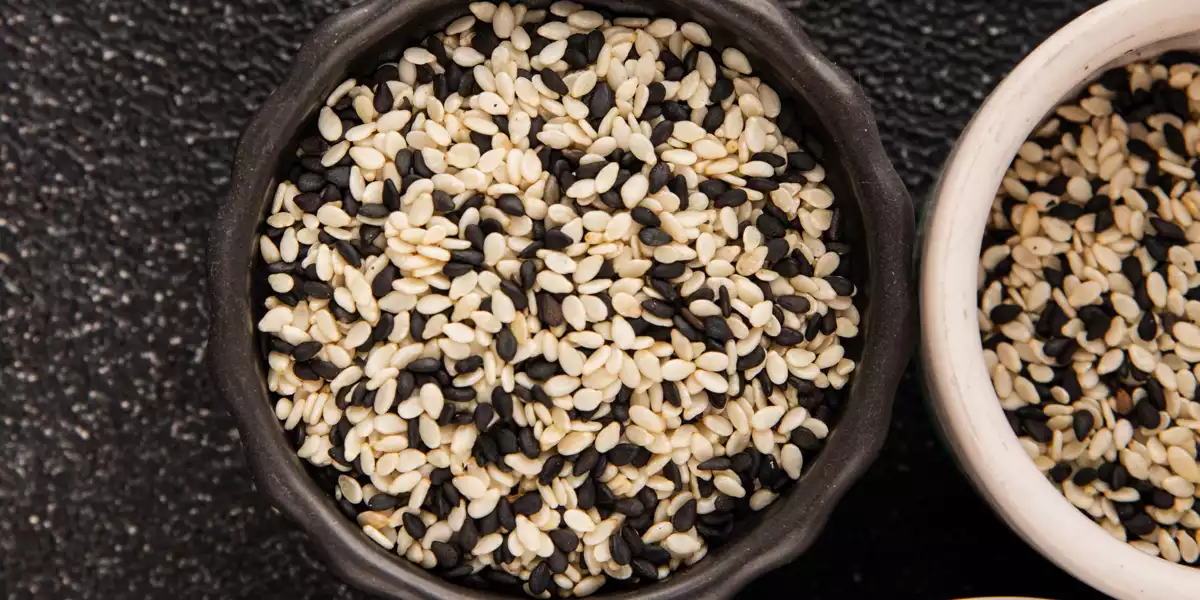
- Black sesame: highly valued in Asian cuisine, black sesame has the boldest flavour and a deep aroma. Like golden sesame, it’s consumed with its hull. It’s particularly rich in antioxidants, attributed to the dark pigments in its coating, such as anthocyanins. It’s also considered an excellent source of calcium and iron.
Nutritional profile
Sesame seeds are an excellent source of healthy fats, protein, vitamins and minerals. Here are some of their main nutritional components:
- Healthy fatty acids: they are high in unsaturated fats, especially omega-6 fatty acids, which support cardiovascular health.
- Protein: a good source of plant-based protein, with an essential amino acid profile.
- Minerals: rich in calcium, iron, magnesium, phosphorus and zinc, making them ideal for supporting bone health, the immune system and muscle function.
- Fibre: help improve digestion due to their fibre content, which supports regular bowel movements.
- Antioxidants: contain sesamin, sesamolin and sesamol — compounds with antioxidant and anti-inflammatory effects that may help reduce the risk of chronic diseases.

1 Supports cardiovascular health
Sesame seeds are a fantastic ally for your heart. Rich in unsaturated fats, mainly polyunsaturated (omega-6) and monounsaturated (omega-9) fatty acids, they help maintain healthy cholesterol levels. These fatty acids are known to reduce LDL (‘bad’) cholesterol — a key risk factor in atherosclerosis and other heart conditions.
Sesame also contains unique plant compounds called lignans, such as sesamin and sesamol. These powerful antioxidants have been shown in studies to:
- Inhibit the absorption and synthesis of cholesterol in the body.
- Protect LDL cholesterol from oxidation, a crucial step in plaque formation in arteries.
- Help lower blood pressure due to their vasodilating effect.
2 Improves gut health
Sesame seeds are an excellent source of fibre, making them great for digestive health. Their fibre content helps regulate bowel movements and prevent constipation, promoting efficient digestion and a healthy gut microbiota.
The fibre in sesame seeds:
- Increases stool bulk, making it easier to pass and reducing the risk of constipation.
- Feeds the beneficial bacteria in your gut, supporting a healthy balance of microbiota, which in turn aids digestion and nutrient absorption.
- Promotes a greater feeling of fullness, which can help with weight management.
3 Strengthens bone health
Sesame seeds are a superb plant-based source of essential minerals for bone health. Notably, they contain a significant amount of calcium, even more per gram than many dairy products. Whole sesame (with hull) is especially rich in this mineral.
Besides calcium, sesame also provides a good amount of phosphorus — another mineral crucial for forming the structure of bones and teeth. Adequate intake of both minerals is key to maintaining bone density and preventing conditions like osteoporosis.
This makes sesame seeds an ideal food for:
- People following vegan or vegetarian diets looking for plant-based sources of calcium.
- Those with lactose intolerance or who avoid dairy products.
- Women during menopause, when the risk of bone loss increases.
4 Fights oxidative stress
Sesame seeds have strong antioxidant properties. Key antioxidant compounds include:
- Phytosterols: plant compounds that help block cholesterol absorption.
- Phenolic compounds: such as lignans (sesamin and sesamol) and vitamin E (as tocopherol), which neutralise free radicals.
This antioxidant capacity directly benefits skin health, helping to keep it firm, healthy and protected from premature ageing:
- Protect the skin from sun damage and pollution.
- Maintain skin elasticity and firmness by protecting collagen and elastin.
- Support cell repair and regeneration, promoting a brighter, healthier complexion.
How to maximise nutrient absorption
Some methods — like roasting, soaking or lightly grinding the seeds — can significantly boost the bioavailability of beneficial compounds, while also reducing antinutrients that interfere with mineral absorption.
1 Roasting sesame seeds
Heating the seeds helps make their healthy fats easier to digest and absorb. Heat also helps release lignans like sesamin and sesamol, found in the seed’s membrane. Roasting also enhances flavour and texture, making them more enjoyable to eat.
2 Soaking sesame seeds
Soaking can reduce phytic acid content — an antinutrient found in seeds, grains and legumes. Phytates bind to minerals like calcium, iron, magnesium and zinc, forming complexes the body can’t absorb easily. Soaking breaks some of these down, making essential minerals more bioavailable for bone, heart and muscle health.
3 Lightly grinding sesame seeds
Whole sesame seeds have a tough outer layer that can be hard to digest. Lightly grinding them, using a coffee grinder or food processor, helps release more nutrients, such as lignans and unsaturated fats, and improves digestion. Grinding also increases mineral and antioxidant absorption by breaking down cell walls, making nutrients more accessible.
How to add sesame seeds to your daily routine
Adding sesame’s benefits to your diet is easier and tastier than you might think. Their versatility makes them a go-to ingredient, from breakfast to dinner, adding crunch, a unique flavour and a nutritional boost to any dish.
At HSN we offer you 3 top varieties to enjoy all their benefits:
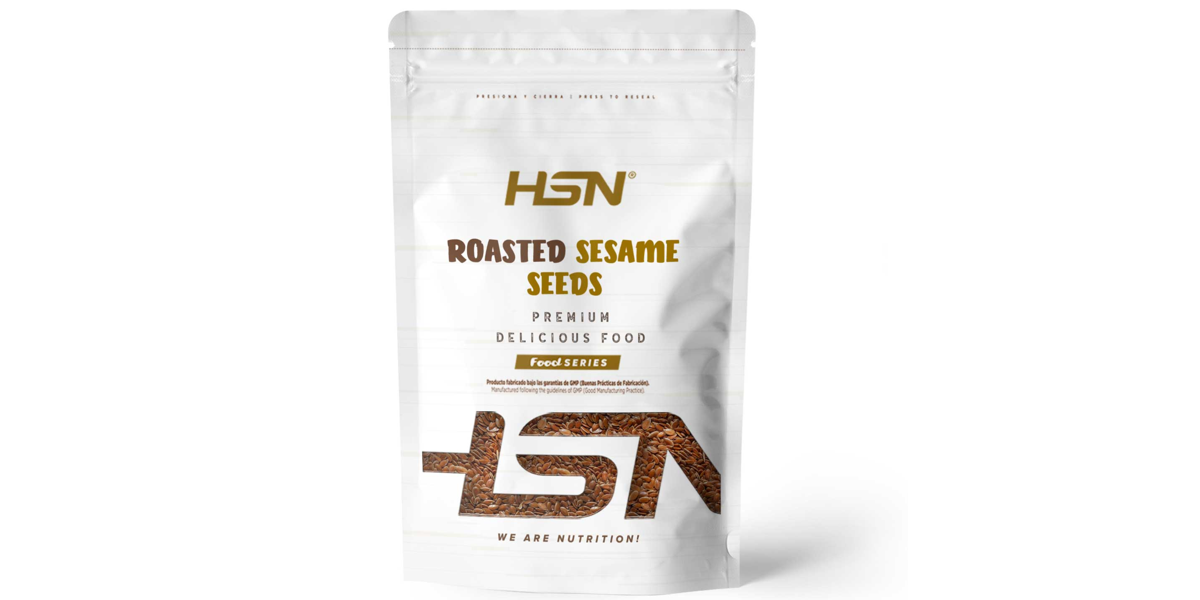
1 Roasted unhulled sesame seeds
To add crunch and flavour to stir-fries, salads or creamy soups, our Unpeeled Roasted Sesame Seeds are the perfect choice — ready to use straight from the pack.
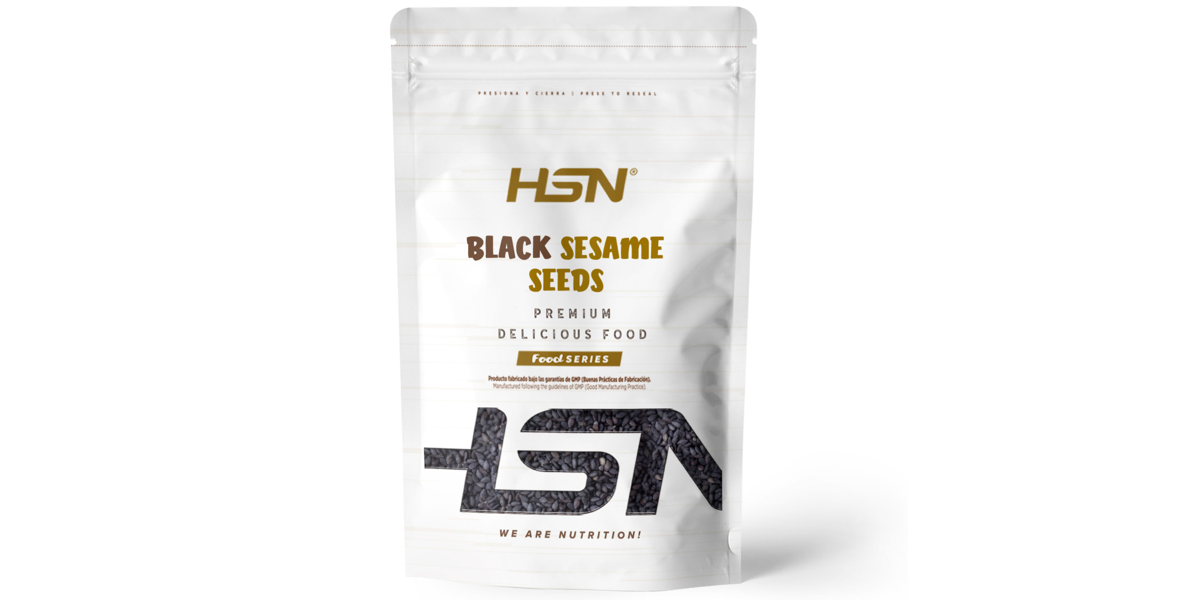
2 Black unhulled sesame seeds
If you’re looking for a bold flavour and stunning visual contrast in dishes like rice, sushi or desserts, try our Unpeeled Black Sesame Seeds — renowned for their intense profile and antioxidant content.
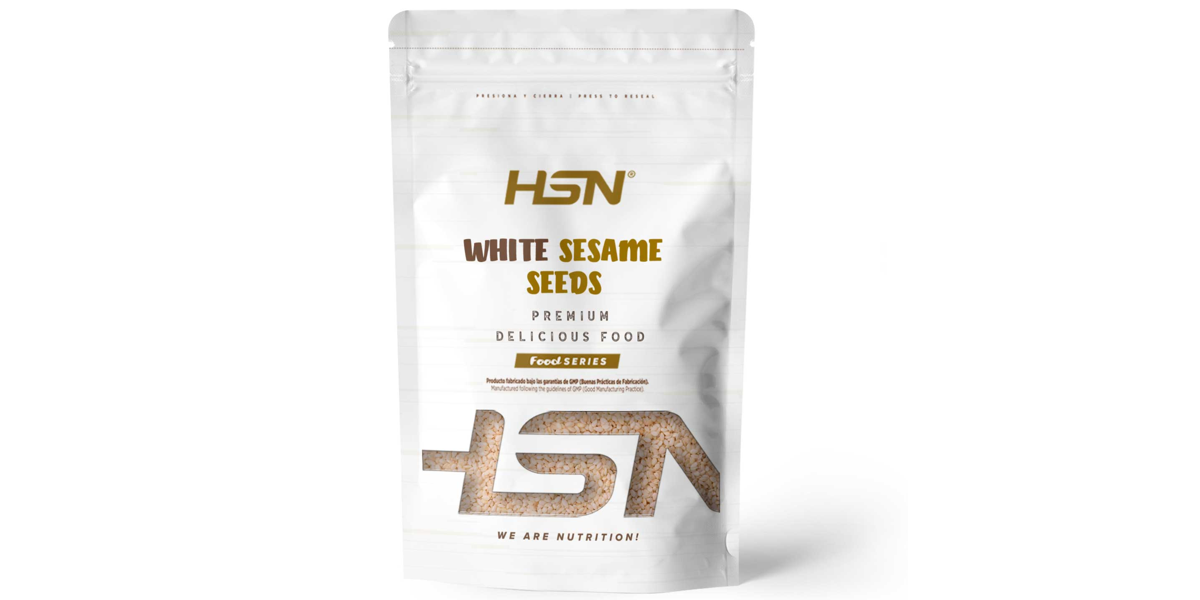
3 Peeled white sesame seeds
Perfect for milder recipes like homemade tahini, bread or pastry toppings, our Peeled White Sesame Seeds are the most delicate and versatile variety.
Here are some tasty ways to enjoy their benefits every day:
- At breakfast: sprinkle ground sesame seeds over yoghurts, oat bowls, kefir or fruit salads. You can also add them to protein shakes for a fibre and healthy fat boost.
- As a salad or veggie topping: lightly toast the seeds and mix them into your favourite vinaigrette or simply sprinkle over salads, steamed, grilled or roasted vegetables (especially broccoli and green beans!).
- To enrich main meals: add them to Asian-style stir-fries with chicken, tofu or prawns. They’re the perfect finishing touch for noodle or rice dishes and taste great on top of creamy soups like courgette or pumpkin.
- For bread and baked goods: mix them into dough or use them as a topping for homemade bread, crackers or pizza bases for a gourmet look and flavour.
- Gomasio — a healthy seasoning: make your own gomasio by toasting sesame seeds and grinding them with a little sea salt. It’s a nutritious alternative to table salt for seasoning all kinds of dishes.
Related posts