Fitness, Nutrition, Health and Sports Blog In the HSNstore Blog you will find tips about Fitness, sport in general, nutrition, and health – HSNstore.com

In today’s world, constant interaction with technology—such as smartphones and tablets—right up until bedtime can significantly contribute to stress and lack of rest.
This fast-paced, repetitive, and stress-filled lifestyle can lead to an increase in cortisol levels, the stress hormone, negatively affecting our long-term health. Common symptoms include mental fatigue, irritability, and drowsiness.
Below, HSN provides you with a list of supplements and/or vitamins to combat fatigue and boost performance, whether at work during the day or in the gym.
- Vitamin B1 (Thiamine).
- Vitamin B2 (Riboflavin).
- Vitamin B3 (Niacin).
- Vitamin B6.
- Vitamin B12.
- Vitamin C.
- Vitamin D.
- Vitamin E.
1. Vitamin B1
Vitamin B1, also known as thiamine, is essential for multiple functions in the human body, particularly in energy metabolism and maintaining a healthy nervous system.
| Main Properties | Deficiency Symptoms | Recommended Intake by Age Group | Foods & Thiamine Content |
|
|
|
|
Vitamin B1 Supplements
There are many multivitamin products on the market. EssentialSeries’ B-50 Complex is a food supplement in tablet form, containing various forms of all known B vitamins, along with Inositol, Para-aminobenzoic Acid and Choline Bitartrate.

B-50 Complex by EssentialSeries
2. Vitamin B2 (Riboflavin)
Vitamin B2 is essential for energy production and maintaining healthy skin and eyes. It helps break down food into energy, contributing to reduced fatigue and tiredness.
| Main Properties | Deficiency Symptoms | Recommended Intake by Age Group | Foods & Riboflavin Content |
|
|
|
|
Vitamin B2 Supplements
HSN’s vitamin B2 supplements provide an effective solution to ensure adequate intake and prevent deficiencies.
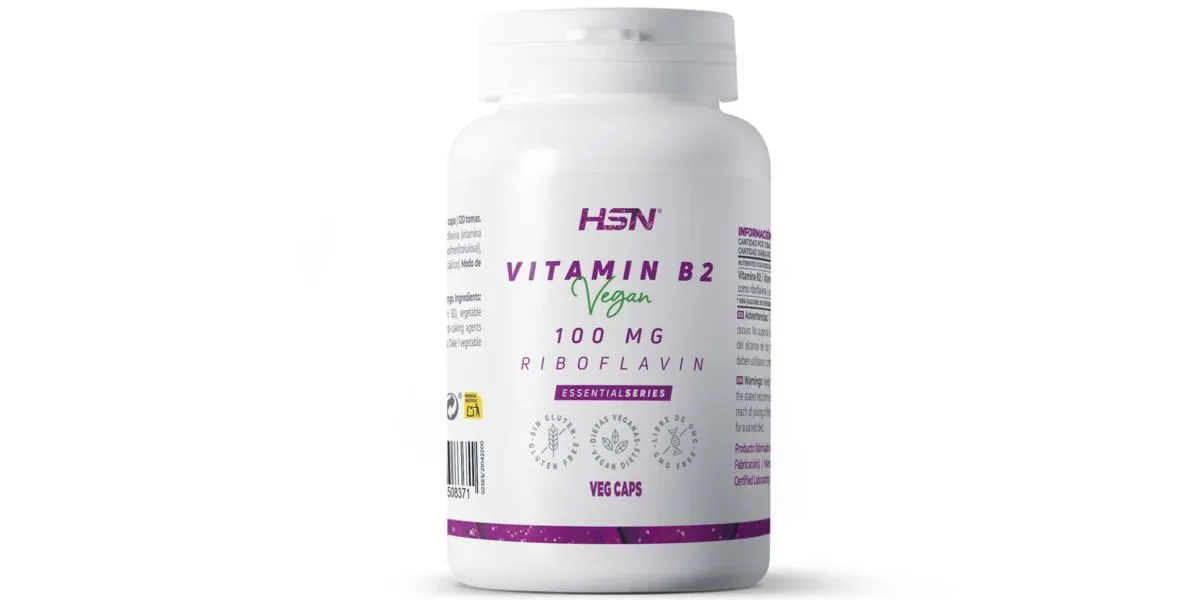
Vitamin B2 (Riboflavin) 100mg by EssentialSeries
3. Vitamin B3
Niacin supports overall energy metabolism and is essential for the nervous and digestive systems. By helping convert food into energy, niacin is a valuable tool for fighting fatigue and maintaining energy levels throughout the day.
| Main Properties | Deficiency Symptoms | Recommended Intake by Age Group | Foods & Niacin Content |
|
|
|
|
Vitamin B3 Supplements
Supplementing with vitamin B3 can be particularly useful for individuals with niacin-deficient diets or those with increased needs, such as athletes and people under chronic stress.

Vitamin B3 Nicotinamide 500mg by EssentialSeries
4. Vitamin B6
Vitamin B6 is essential for amino acid metabolism and the production of neurotransmitters that regulate energy levels and mood. It plays a key role in preventing fatigue and improving mental performance.
| Main Properties | Deficiency Symptoms | Recommended Intake by Age Group | Foods & Vitamin B6 Content |
|
|
|
|
Vitamin B6 Supplements
Vitamin B6 supplementation is particularly beneficial for individuals with restrictive diets, pregnant women, or those with conditions that affect nutrient absorption, helping to combat fatigue.

Ultra B-Complex by EssentialSeries
5. Vitamin B12
Vitamin B12 is vital for energy production and red blood cell formation, making it essential for combating fatigue. It also plays a crucial role in neurological function and preventing anaemia.
| Main Properties | Deficiency Symptoms | Recommended Intake by Age Group | Foods & Vitamin B12 Content |
|
|
|
|
Vitamin B12 Supplements
Vitamin B12 supplements are essential for maintaining a healthy nervous system and supporting red blood cell formation, helping to prevent anaemia and fight fatigue.
Vitamin B12 (Cyanocobalamin) 1000mcg by EssentialSeries
6. Vitamin C
Vitamin C can be a powerful ally against adrenal fatigue, a physiological condition triggered by prolonged stress. This condition can lead to symptoms such as discomfort, exhaustion, apathy, and drowsiness, significantly impacting overall well-being.
| Main Properties | Deficiency Symptoms | Recommended Intake by Age Group | Foods & Vitamin C Content |
|
|
|
|
Vitamin C Supplements
Vitamin C supplements can be particularly useful during periods of physical stress or when food intake is insufficient. They help strengthen the immune system and support efficient energy recovery.
Vitamin C 1000mg by EssentialSeries
7. Vitamin D
Vitamin D is essential for calcium and phosphorus absorption, which are crucial for maintaining energy levels and bone health. It also supports the immune system and can help improve mood and combat fatigue.
| Main Properties | Deficiency Symptoms | Recommended Intake by Age Group | Foods & Vitamin D Content |
|
|
|
|
Vitamin D Supplements
Vitamin D supplements are recommended to enhance resistance to fatigue, especially for individuals with limited sun exposure or during the winter months.
Vitamin D3 2000IU by EssentialSeries
8. Vitamin E
Vitamin E is known for its antioxidant properties, protecting cells from oxidative stress and helping to reduce fatigue and tiredness.
| Main Properties | Deficiency Symptoms | Recommended Intake by Age Group | Foods & Vitamin E Content |
|
|
|
|
Vitamin E Supplements
Vitamin E supplements are beneficial for combating fatigue, especially for individuals with diets low in vitamin E sources, contributing to overall health and well-being.
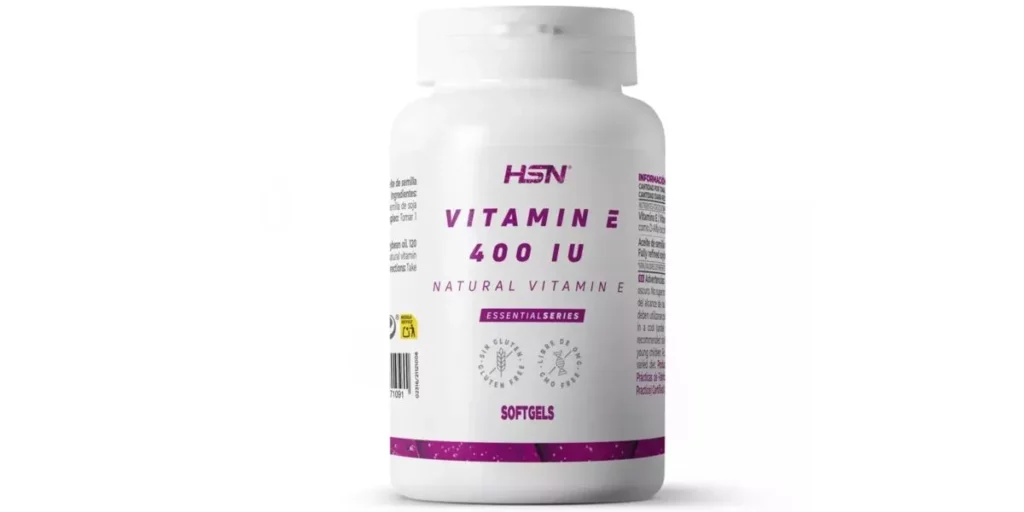
Vitamin E 400IU by EssentialSeries
Conclusions
Finally, it’s important to remember that these supplements should complement a well-balanced diet tailored to the individual’s needs, ensuring an appropriate caloric and macronutrient balance. Regular physical activity should also be adapted accordingly.
Of course, ensuring optimal rest is essential. If necessary, sacrificing a training session to improve rest should be considered, always listening to your body’s signals.
Related Posts
- Overtraining Syndrome
- The Importance of Vitamin C for Athletes
- The Importance of Vitamin B for Athletes
- Understanding Relative Energy Deficiency Syndrome in Sport