 Fitness, Nutrition, Health and Sports Blog In the HSNstore Blog you will find tips about Fitness, sport in general, nutrition, and health – HSNstore.com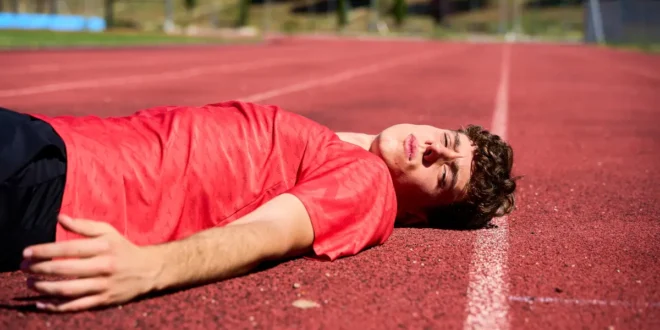

RED-S (Relative Energy Deficiency in Sport) is a condition where an athlete’s health is compromised as a result of expending more energy than is consumed. This means there is a prolonged energy imbalance in which the athlete does not consume enough calories to meet the demands of their daily activities and training.
Eating disorders, low energy availability, increased injury risk, reduced performance, and negative health consequences for the athlete may arise.
In 1992, the ‘Female Athlete Triad’ was defined, describing a state where female athletes suffered from amenorrhea, loss of bone mineral density, and eating disorders. Later, in 2007, the concept of ‘Low Energy Availability’ (LEA) was introduced for all genders. In this situation, athletes experienced persistent fatigue due to low energy availability and consequently, negative effects on performance. In 2014, the International Olympic Committee (IOC) published a consensus statement introducing the new concept of Relative Energy Deficiency in Sport (henceforth RED-S) in the “British Journal of Sports Medicine.” The IOC presented this expanded model of Relative Energy Deficiency in Sport (RED-S) as a syndrome of: “Impaired physiological functioning, including but not limited to metabolic rate, menstrual function, bone health, immunity, protein synthesis, and cardiovascular health”, stemming from LEA (Low Energy Availability). In the short term, the body can adapt to a situation of low energy availability, known as “adaptive LEA.” However, it cannot cope with prolonged and frequent deficits caused by a permanent imbalance, which can result in RED-S, as stated in the IOC declaration.
How many athletes actually suffer from and are aware of this syndrome?
The estimated prevalence of this syndrome varies across sports, ranging between 15-80%. Regarding athletes’ awareness of this energy deficiency and its consequences, a study conducted among marathon runners found that only 7% had heard of RED-S, yet nearly half (44%) were at high risk of developing it.
Causes of relative energy deficiency syndrome in athletes
This energy imbalance can be caused by various factors:
- Restrictive diets, intentional or unintentional, with insufficient caloric intake to meet basic physiological needs and training requirements. Most studies find low carbohydrate availability, with a significant reduction in intake (around 25-60%), leading to negative effects on bone formation biomarkers, the immune system, and iron metabolism.
- Very high-intensity training and energy demands without adequate rest and recovery times, potentially leading to overtraining.
- Eating disorders and disordered eating behaviours.
- High levels of mental and psychological stress, causing imbalances in hormones and the nervous system.
- Unintentional malnutrition caused by factors such as increased training loads, poor nutritional education, limited eating windows, poorly managed injuries, or environmental changes disrupting usual eating patterns.
- Inappropriate exercise behaviours, such as muscle dysmorphia.
Effects of relative energy deficiency syndrome
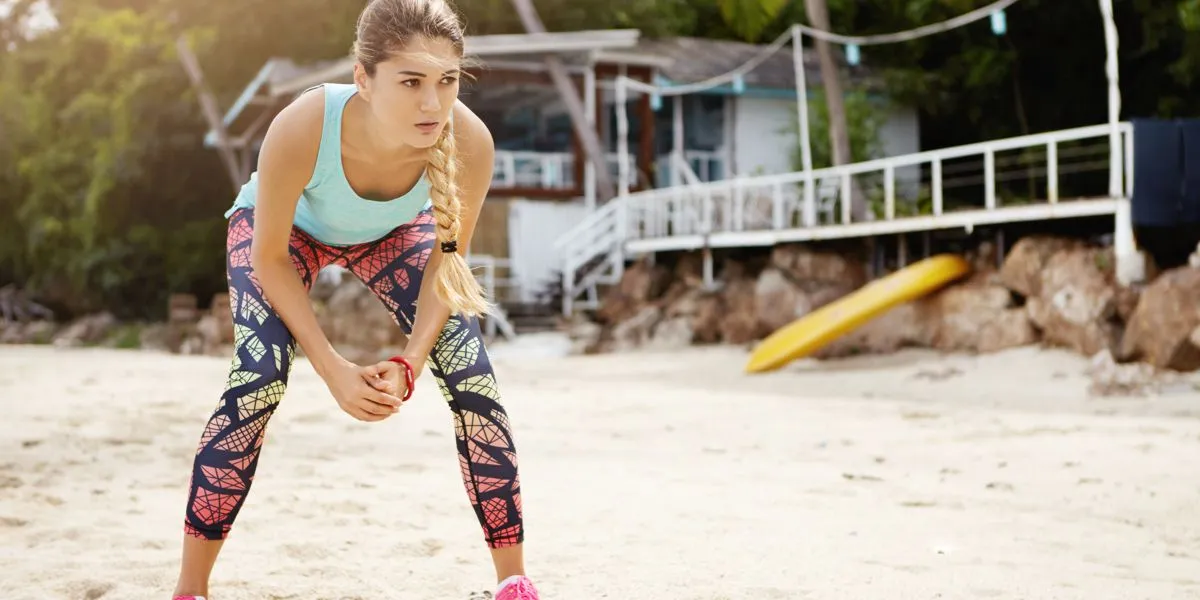
The relative energy deficiency syndrome affects all genders, with the main cause being an imbalance between energy intake and daily energy expenditure from normal physiological activities and training. Although, at specific times, such imbalance may be intentionally sought through planning and control (i.e., adaptively), long-term maintenance of this energy imbalance triggers a cascade of negative effects on the body, affecting the endocrine-hormonal, cognitive, musculoskeletal systems, and leading to severe emotional and psychological consequences.
Health effects
- Hormonal and endocrine disorders affecting the hypothalamic-pituitary axis and target organs.
- Loss of menstruation.
- Decreased bone mass and increased risk of stress fractures.
- Erectile dysfunction and reduced libido.
- Cramping, bloating, and abdominal pain.
- Urinary incontinence.
- Reduced oxygen transport capacity.
- Cognitive impairment: memory loss, poor decision-making, and lack of concentration.
- Abnormal heart rhythms and blood flow.
- Glucose and lipid metabolism disorders.
- Weakened immune function.
Performance effects
Direct impacts on performance include:
- Reduced performance levels.
- Lack of motivation.
- Increased injuries and muscle pain.
- Longer recovery times between sessions.
- Slower reaction times.
- Decreased endurance capacity.
- Reduced muscle strength.
- Increased resting heart rate.
Symptoms and warning signs of RED-S
athletes, coaches, and nutritionists must work together to monitor and analyse all changes occurring throughout training cycles to prevent reaching this state of imbalance. Athletes with low energy availability often exhibit the following symptoms spontaneously:
- Weight and fat mass loss.
- Persistent fatigue.
- Loss of appetite.
- Muscle pain and poor recovery.
- Hormonal issues.
This highlights the crucial importance of awareness and supervision by coaches and family members.

What to do if you have been diagnosed with RED-S?
If diagnosed with RED-S, the first step is to analyse the cause and work collaboratively with healthcare professionals, a nutritionist, and your coach. Training loads should be adjusted, and energy levels restored until all physiological values and biomarkers return to normal.
The primary goal should be to restore optimal physical and mental health.
- Dvořáková, Kristýna et al. “A literature review of biomarkers used for diagnosis of relative energy deficiency in sport.” Frontiers in sports and active living vol. 6 1375740. 12 Jul. 2024, doi:10.3389/fspor.2024.1375740
- Kuikman, Megan A. MSc; Burke, Louise M. PhD, APD. Low Energy Availability in Athletes: Understanding Undereating and Its Concerns. Nutrition Today 58(2):p 51-57, 3/4 2023. | DOI: 10.1097/NT.0000000000000603
- Lodge, Melissa T et al. “Knowledge of the Female Athlete Triad and Relative Energy Deficiency in Sport Among Female Cross-Country Athletes and Support Staff.” Journal of athletic training vol. 57,4 (2022): 385-392. doi:10.4085/1062-6050-0175.21
- Mountjoy M, Ackerman KE, Bailey DM, et al. 2023 International Olympic Committee’s (IOC) consensus statement on Relative Energy Deficiency in Sport (REDs). British Journal of Sports Medicine 2023;57:1073-1098.
- Stellingwerff T, Mountjoy M, McCluskey WT, et al. Review of the scientific rationale, development, and validation of the International Olympic Committee Relative Energy Deficiency in Sport Clinical Assessment Tool: V.2 (IOC REDs CAT2)—by a subgroup of the IOC consensus on REDs. British Journal of Sports Medicine 2023;57:1109-1121.
Related posts