Fitness, Nutrition, Health and Sports Blog In the HSNstore Blog you will find tips about Fitness, sport in general, nutrition, and health – HSNstore.com

Recovery is a term widely used in the sports world, both in the field of fitness and in other sports that are also quite demanding. Everyone talks about it, but few actually do certain habits that can substantially improve this period.
Recommendations for Accelerating Recovery

Why is Recovery Important?
Recovery after physical exercise is essential for the repair of muscle tissue, as well as for strength gain. It is a key concept for any sport.
It will be much more critical, if we talk about training in which we combine several factors, such as strength and endurance training

It is not only contemplated on a physical level, but there is also a strong psychological connotation.
Recovery Types
Muscle Recovery
It relates to how our muscles recover from fatigue. This involves muscle damage, neural fatigue, and energy depletion. Intense training causes micro-tears in the muscle fibres and also fatigue of the nerves connected to the muscle. Energy depletion consists of a decrease in the levels of energy stored in the muscle (glycogen), which can take a few hours or even days to restore.
Systematic Recovery
The Nervous System, the Muscular System, and the Brain are involved. It affects mood, energy level, state of mind… It also influences sleep, stress, and of course exercise itself. When the micro-rupture is generated, it causes local inflammation, generating a response to it, by means of the “inflammatory messengers”, the cytokines. Cytokines travel throughout the body, informing the brain of the inflammatory presence, and generating the consequent “time to stop” signals.
The more work done by the muscles, the greater the damage and therefore the greater the inflammation.
Optimal Recovery to Avoid Overtraining
The exhaustion of the nervous system, due to inadequate recovery, can produce a symptomatology known as overtraining syndrome.
To a large extent, to avoid such a negative process, it will be necessary to plan our routine, clearly marking when we should rest and recover.
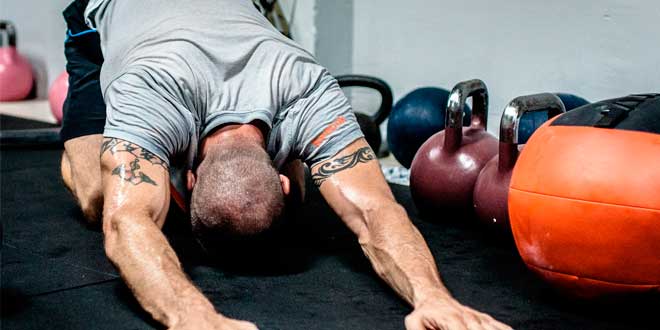
Therefore, every time we train we are given an opportunity to make progress, and we should not waste it. Train wisely, rest, recover and assimilate the training.
Why is Post-Training Important?
If diet and nutrition is a key factor, in my opinion, eating the necessary nutrients in the post-workout will be very beneficial to meet two objectives:
- Beginning of optimal recovery
- Establish an environment conducive to muscle recovery and development.
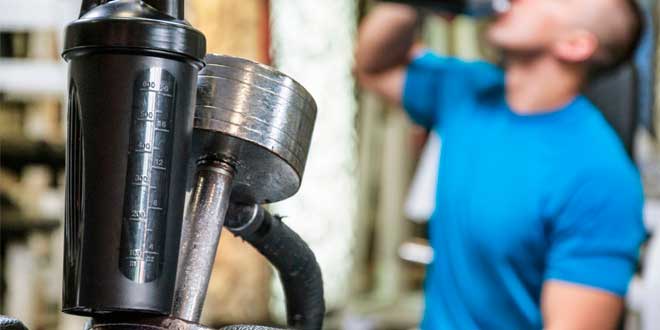
Sports supplementation can help to improve the recovery phase.
- Dehydration
- Muscle tissue damage
- Depletion of energy reserves
Importance of Nutrition in Recovery
Any active person, especially an athlete, should pay attention to their diet.
Proteins
It is especially important to supplement daily protein intake, as it provides amino acids that are involved in essential tasks, from those that promote the preservation and growth of muscle mass, support numerous systems and structures, to the synthesis of hormones and enzymes.
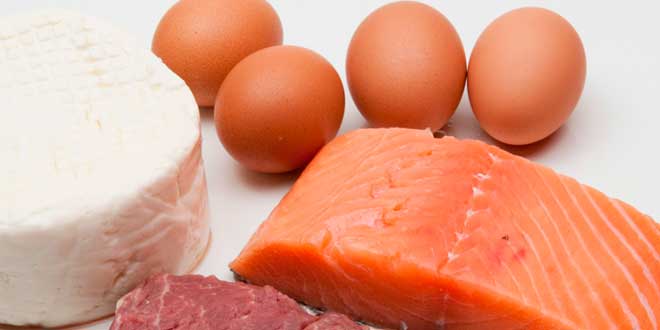
Protein sources
Carbohydrates
These are essential elements if we are looking for maximum recovery and we want to maintain performance. If our activity is quite demanding at a glycolytic level, even if it is a “non-training” day, we should provide carbohydrates.
Spreading them throughout the day would be a good option. On training days, we can increase intake by introducing a liquid intake after training.

Complex carbohydrates, fresh fruits and vegetables are recommended because of their micronutrient and antioxidant content.
Fats
They are extremely important because of their calorie content, but even more so because of their hormonal influence. There are essential fatty acids, specifically omega 3, which provide a series of benefits, such as their natural anti-inflammatory properties.
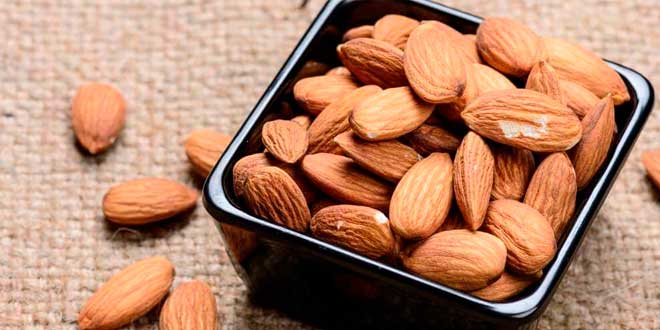
We must not forget that seeds and nuts provide us with a large amount of trace elements.
On the other hand, losing the fear of saturated fats
Supplements for Recovery After Training
Liquid Food
After training, energy stores are depleted. It is necessary to replenish these “stores” if our aim is to recover properly and stay energised for the rest of the day. Our body needs to recharge, repair tissues, start protein synthesis, etc., all of which requires energy intake. It is not a question of having a large meal, far from it, as the body will not be too keen on digesting a lot of food either.
Refill Energy Reservoirs
Short and very intense training, such as the kind associated with weight training, can lead to a large depletion of energy reserves, in particular muscle glycogen. A very feasible time to replenish them is precisely in the post-training period.
High glycaemic index foods can be a great help, as they will provide energy quickly. Even going a little deeper, adding a variety of carbohydrate sources of different absorption rates is a great resource.
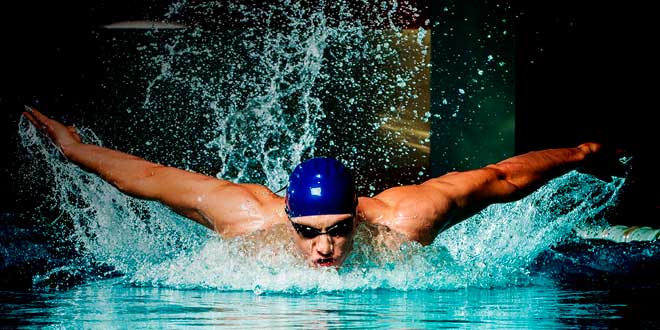
However, it is necessary to make sure that while we are doing our sporting activity, and depending on the intensity, it will be totally feasible to opt for a sports drink to hydrate ourselves.
Protein to Accelerate the Muscle Recovery Process
Along with carbohydrates, used for the energy part, adding a source of fast-absorbing protein after the end of our workout, will be a great help in mitigating the damage caused to our muscle fibres.
Among the protein sources, whey may be our first choice.
A protein source with a high amount of branched amino acids (leucine, valine and isoleucine) would be most recommended. The protein will incorporate the building blocks (amino acids) needed for this time of high demand.
Rehydration
When you finish your training, one of the most critical points, if not the most critical, is to drink water. Water plays a vital role in our organism, being present in numerous physiological processes, chemical reactions, lubrication, excretion, filtration, temperature regulation, etc.
Replenishment will therefore be the number 1 option. A strategy: for every 500g lost, drink 600-700ml of water.
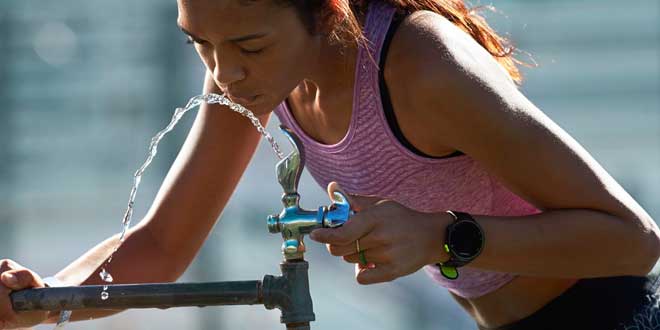
Not only will you need to hydrate at the end, but you may well still be quite thirsty an hour or two after exercise. To check your optimal hydration level, you could look at the colour of your urine, where a slightly yellow or almost transparent appearance would be ideal.
Electrolytes
As well as losing energy, when we train we excrete water and mineral salts through sweat, both of which are extremely important for the correct performance of our system and can also cause a loss of performance.
Electrolytes refer to sodium, chloride, potassium, calcium and magnesium, which are present at the cellular level and in the bloodstream..
The purpose of electrolytes will be to assist with the correct functioning of electrical impulses, muscle contractions, and the regulation of fluid levels in our body. Electrolyte replenishment will take place through food and/or fruit juices, for example. However, providing at the right time, what the body demands, will always be an optimal strategy.
Muscle energy
We are referring in particular to the one that provides support to feed the muscle tissue when we make efforts that involve a lot of energy in a short period of time, that is, we are referring to the phosphagen system.
Creatine is the main element that contributes to keeping these deposits high in order to supply all these explosive and/or powerful activities: sprints, jumping, weight lifting….
Reduce Acidity
Anaerobic glycolysis is the dominant energy source during high-intensity exercise. As exercise progresses, an accumulation of hydrogen ions occurs, decreasing muscle contractile capacity as well as altering pH, and accelerating the sensation of fatigue.
By supplying Beta Alanine, which acts as a “lactate buffer”, the concentration of muscle carnosine can be increased. By supplying beta alanine after exercise, we help to reduce acidosis.
Tips for Improving Recovery
Warm Down
It means progressively reducing the level of activity (without stopping) after exercise. Continue jogging or walking for 5-10 minutes after the end of the training session.
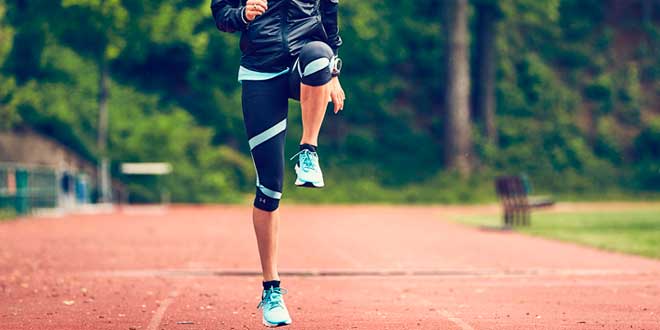
This helps to remove accumulated lactate from the muscles, and can reduce muscle stiffness.
Rest
Rest is one of the most important, if not the most important, aspect of recovery not to be overlooked.
Your body is wise, and has an amazing capacity to “care for itself”.

Often, it shows us certain symptoms and signals so that we release the accelerator of the training and take enough time after the end of the training session to return to another sports session.
Active Recovery
We will improve the blood supply to the areas damaged as a result of previous exercise, promoting repair if possible thanks to the inflow of nutrients efficiently transported by the bloodstream to the cells.
The idea is to opt for lighter, much lower intensity activities instead of quite demanding sessions.

On the other hand, the excretion of metabolic waste products is also increased. Walking, cycling… or even changing sporting activities.
Massages
This decongests the muscles and improves blood circulation throughout the body. The blood transports oxygen to the muscles, which increases the uptake of oxygen by the tissues.
There is no greater pleasure after a good training session than having (receiving) a massage.
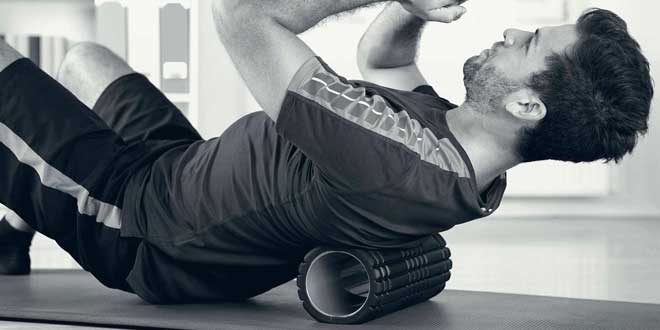
On the other hand, it also reduces muscle pain or helps to release tension. We can use various tools, such as a foam roller
Stretching
After finishing the training, and within the framework of the “cool down”, stretching is a good decision, which will allow us to relax, calm our heart rate and return to basal state.

Stretching will reduce muscle tension, extend the range of motion of joints, improve muscle coordination, increase blood circulation, which will be mostly deposited in the trained muscles.
Water contrast
Cold baths, ice massage and water contrast therapy (alternating hot and cold water), produce faster recoveries, reduce muscle pain and prevent certain injuries.
Many athletes opt for this strategy to promote recovery and relaxation.

The theory behind these methods is that repeated dilation and contraction of the blood vessels helps to remove waste products from the tissues.
Planning
An effective method to promote optimal recovery would be to look precisely at the training plan. So, if we plan in advance, with intelligence, a sports routine in which the premises of rest and optimal recovery are respected, as well as avoiding high volume and high intensity, adjusting them to our level and physical condition.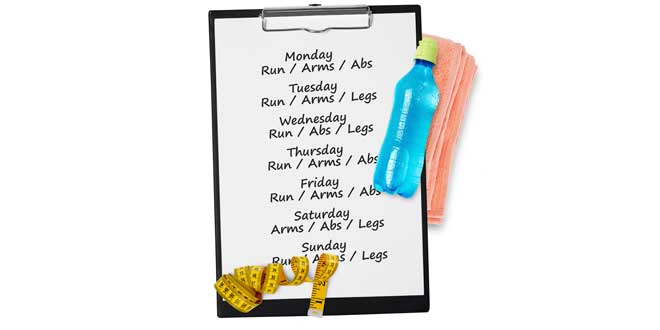
With this we can achieve great results, and above all, without suffering from any symptoms that lead to overtraining syndrome.
Listen to Your Body
The most important thing you can do to contribute to the rapid recovery process is simply to listen to your body. If you feel tired, or if you feel that your performance is not the most conducive to a sports session, the best option is to rest that day.
In doing so, we will allow our body to rest and rest, giving it room to recover.
If you feel strong enough the day after training, in this case, there is nothing to stop you from slowing down and doing another quality workout. If you pay attention, it will be your body that will guide you, and lead you on the path of intensity to apply to your workouts.
What is the most important Factor for Recovering Better?
Apart from eating the necessary calories, depending on wear and tear, providing sufficient protein, amino acids, carbohydrates and essential fatty acids, it is necessary to pay close attention to something so simple and yet so powerful that no one should miss out on, namely sleep.

Quality Sleep
You can sleep, but this does not imply true rest. Before going to bed, make sure that you have switched off the television or mobile phone for a certain period of time, and that your last activity is, for example, reading a book or listening to relaxing music. This will help to reduce the stress of the day, gradually inducing a deep and restful sleep.
REM phase
When we sleep, specifically during the REM (“Rapid Eye Movement”) phase, numerous internal processes are set in motion that aim to recover, regenerate and restore the organism, from the muscular tissues to the rest of the nervous system. It is during this phase that hormone secretion takes place, referring to testosterone and growth hormone, con los consiguientes beneficios, with the consequent benefits necessary for our evolution.
Related Entries
- How Does Alcohol Affect Muscle Recovery?
- Advanced Post-Training Supplementation Protocol
- Choose your Workout Routine
- What is your Motivation to Train?