Fitness, Nutrition, Health and Sports Blog In the HSNstore Blog you will find tips about Fitness, sport in general, nutrition, and health – HSNstore.com

The causes behind appetite loss are varied and can be physiological, emotional, or pathological in nature:
| Cause Type | Description | Examples |
| Physiological | Seasonal manifestations that generally do not lead to severe consequences. | Food indigestion, intoxications, medication intake, viral or bacterial infections. |
| Emotional | Associated with psychological changes affecting mood. | Depression, stress, anxiety. |
| Pathological | Chronic or severe illnesses that can significantly reduce appetite over time. | Anorexia, bulimia, various types of cancer, chronic obstructive pulmonary disease, liver failure, heart conditions, hypothyroidism. |
Regardless of the cause of appetite loss, it is essential to encourage natural food intake. Vitamins are a healthy way to enhance nutritional intake and support the optimal functioning of the body. Below, we highlight the best vitamins to boost appetite in adults.
- Vitamin B1
- Vitamin B12
- Zinc
- Hydrochloric Acid
- Omega 3
Vitamin B1
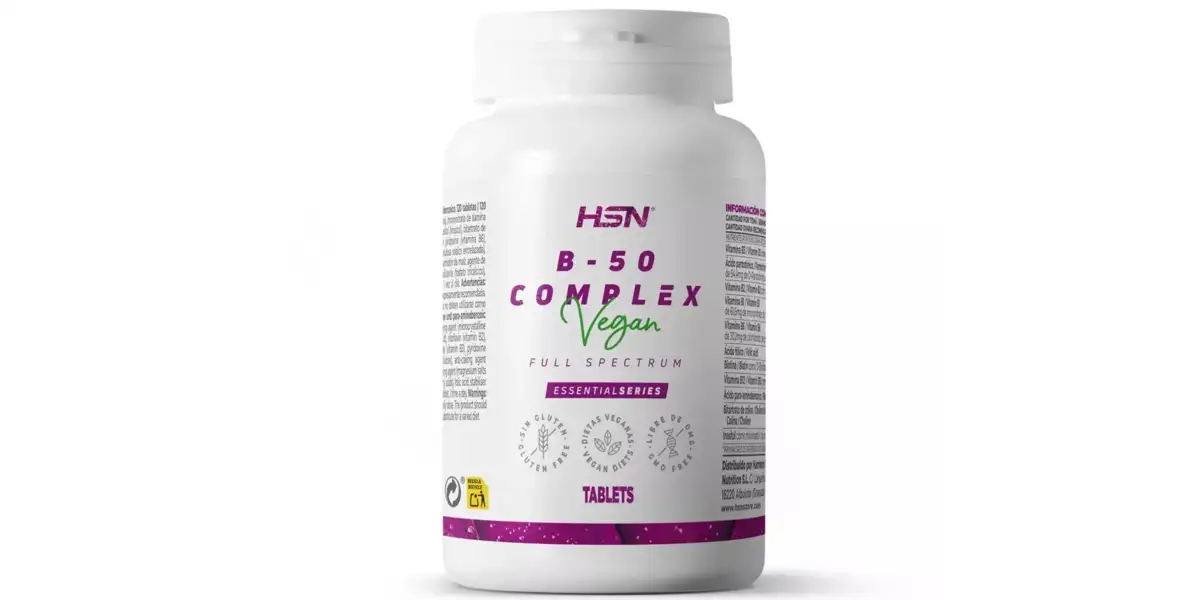
You can find Vitamin B1 in B-Complex by EssentialSeries.
Vitamin B1 (thiamine) helps body cells convert carbohydrates into energy.
This vitamin is found in a variety of foods, such as pork, fish, legumes, seeds, nuts, whole grains, and fortified cereals. The required dose can also be supplemented with food supplements.
Vitamin B12
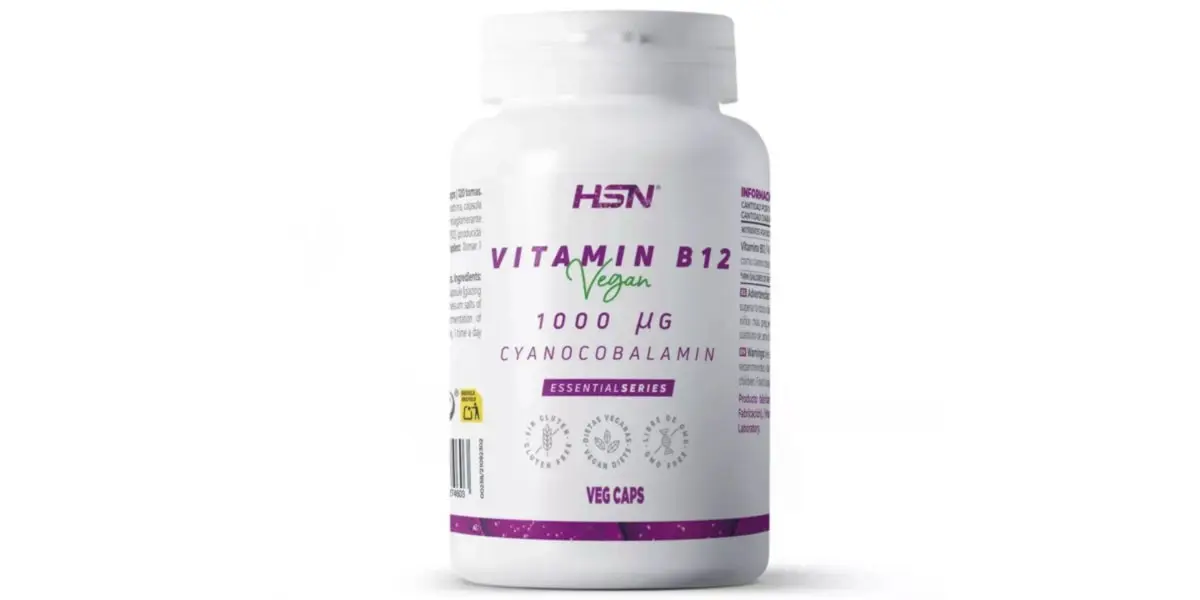
Vitamin B12 (cyanocobalamin) by EssentialSeries.
Vitamin B12 (cyanocobalamin) is essential for protein and fat metabolism, helping maintain a healthy appetite.
Foods rich in vitamin B12 include animal products: red or chicken meat, eggs, fish, and seafood.
Zinc
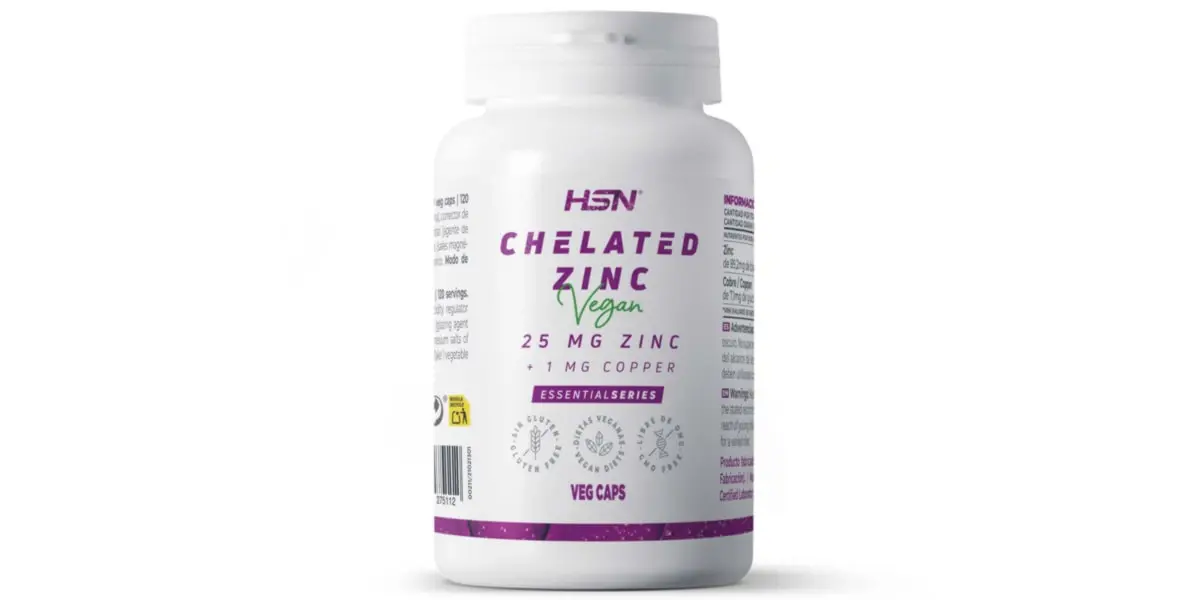
Zinc Bisglycinate by EssentialSeries.
Zinc plays a key role in boosting appetite, as this micronutrient helps strengthen the immune system.
Zinc is found in foods such as cashews, chicken, pork chops, wheat bran, or pumpkin seeds. A zinc supplement or a multivitamin containing it is recommended for adults.
Hydrochloric Acid
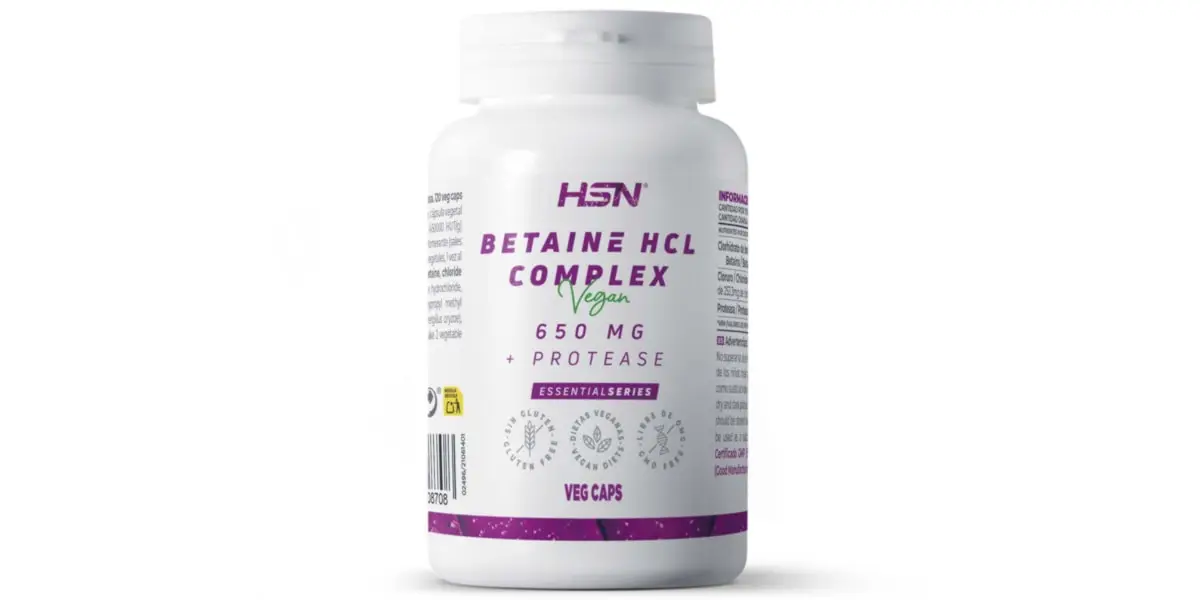
Hydrochloric acid helps break down food in the stomach and facilitates the absorption of essential nutrients.
You can stimulate its production naturally by drinking lime juice early in the morning.
Omega 3
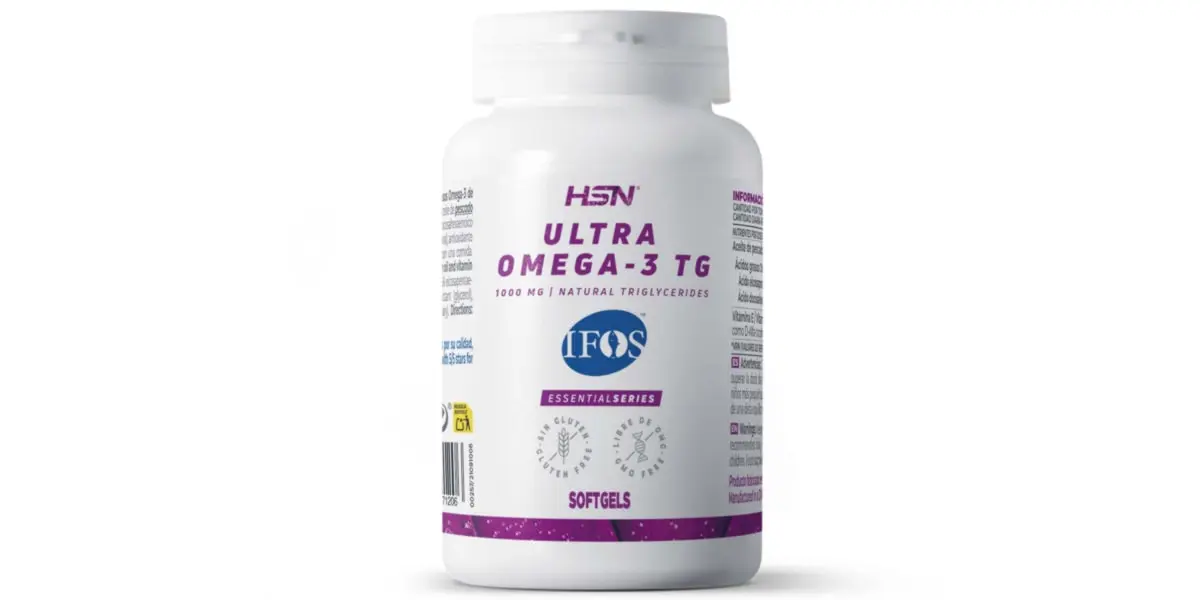
Ultra Omega-3 by EssentialSeries.
Omega 3 can improve digestion and reduce bloating, which often suppresses appetite.
The best source of omega 3 is fatty fish such as salmon, herring, or mackerel. It can also be found in smaller amounts in plant-based sources like chia seeds, walnuts, and flaxseeds.
Tips to Stimulate Appetite in Adults
The most effective way to boost appetite is through a combination of vitamin intake and lifestyle changes that encourage healthy eating habits.
Here are some practical tips:
- Eat smaller meals: Instead of three large meals, try having five smaller portions a day. Large meals can feel overwhelming when appetite is low, making digestion harder.
- Make meals visually appealing: A visually attractive dish stimulates gastric juices and appetite. Use colourful vegetables and aromatic herbs to create an inviting presentation.
- Plan your meals: Planning meals ensures you won’t skip any. Preparing a weekly menu can help you stick to a routine and enjoy the process of cooking and sharing meals.
- Exercise: Regular physical activity or sports increase energy expenditure, naturally triggering hunger hormones.
- Focus on your favourites: Prioritise meals you love while avoiding overly processed foods. Opt for healthy and tasty options prepared at home.

Specific Tips for Women
These tips can help stimulate appetite in adults and address some of the specific causes that may affect women:
- Consider vitamin and mineral supplementation: Nutritional deficiencies, such as low iron during menstruation, can affect appetite. Supplementing can help.
- Adapt your diet to your menstrual cycle: Some phases of the menstrual cycle can reduce appetite. Opt for lighter, nutrient-dense meals during these times.
- Manage hormonal changes: Hormonal fluctuations can influence appetite. Consult a doctor if necessary to explore options such as hormone therapy.
Do Appetite-Boosting Vitamins Have Side Effects?
Appetite-boosting vitamins may have side effects, especially if taken without consulting a specialist. While they can improve nutritional intake, it’s important to consider the following:
- Drug interactions: Some vitamins may interact with prescribed medications, altering their effectiveness or causing unwanted side effects.
- Overdose and toxicity: Consuming high doses of certain vitamins, particularly fat-soluble ones like vitamins A and D, can lead to toxicity with symptoms such as nausea, dizziness, and liver problems.
- Pre-existing conditions: People with health issues like kidney or liver diseases may need to adjust their vitamin intake.
- Side effects: Some vitamins can cause headaches, stomach discomfort, or allergic reactions.
Related Articles