Zinc chelated with copper: simple formula, but top quality
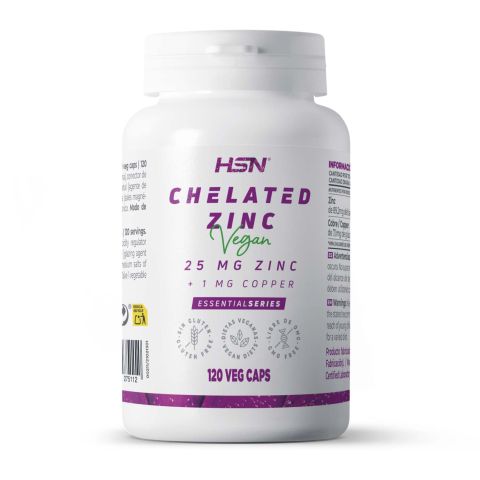
Zinc bisglycinate (25mg zinc) from EssentialSeries is a dietary supplement in plant-based capsules made with zinc in the form of bisglycinate, also known as chelated zinc, and copper in the form of copper gluconate.
The idea is clear: provide zinc in a high-quality form, with a high per-capsule concentration, and pair it with copper designed to make the formula better balanced. It’s not just zinc in capsules; it’s a combination of two essential minerals that have a very important relationship in daily nutrition.
25 mg of zinc + 1 mg of copper per capsule. A practical formula for those looking to complete their diet with chelated zinc and a smart copper boost.
Why add copper to a high-zinc formula
Copper isn’t added “just because.” In a formula with a high zinc amount, including copper is a choice that helps frame the product better for everyday use.
The reason is simple: zinc and copper can compete in some absorption and transport processes. When zinc intake is high, the body can increase production of intestinal proteins called metallothioneins. These proteins bind minerals like zinc and copper, but have a very high affinity for copper. This can cause some of the copper to stay trapped in intestinal cells and not pass as easily into the bloodstream.
Put more clearly: when you take a high amount of zinc, it makes sense to pair it with copper. This way the formula isn’t just about a lot of zinc, but about doing it in a more complete and better-planned way for daily use.
Zinc contributes:
- To the normal functioning of the immune system.
- To the protection of cells from oxidative damage.
- To the maintenance of the skin, hair and nails in normal condition.
- To the maintenance of normal testosterone levels.
- To normal fertility and reproduction.
- To normal acid-base metabolism.
- To normal metabolism of carbohydrates.
- To normal protein synthesis.
Zinc bisglycinate: a quality form
This formula’s zinc is provided as bisglycinate. That means the mineral is bound to glycine, a simple amino acid. This bond is called chelation.
We don’t use a plain, conventional zinc form. We choose a chelated form, highly valued in mineral supplementation for its quality, stability and relevance as a source of a dietary supplement.
Each capsule provides 25 mg of zinc, a high amount for people who want to supplement their diet.
Copper in the form of copper gluconate
Copper is supplied as copper gluconate, a common mineral form in quality products. Its presence makes the formula more complete and not solely dependent on a high zinc concentration.
Copper also has its own roles in the body. It contributes to the normal transport of iron, to the normal functioning of the immune system, to normal energy metabolism and to the protection of cells from oxidative damage. It also contributes to the maintenance of connective tissues in normal conditions and to the normal pigmentation of hair and skin.
That’s why, in this formula, zinc remains the lead, but copper improves the product’s overall approach.
A clean label formula, trendy and vegan friendly
At HSN we go for clear, direct formulas and avoid adding ingredients for purely aesthetic reasons. We’ve developed our dietary supplement in plant-based capsules without gelatin and suitable for vegan diets.
It’s also an allergen-free and non-GMO option. A convenient format for daily use, easy to fit into any routine.
Who is it for?
Fit for people who want to supplement their zinc intake with a quality chelated form.
Also a good option for those seeking a simple, high-concentration formula, with added copper and without a long list of ingredients. Ideal if you want something straightforward, easy to take and backed by HSN.
How to fit it into your routine
The most practical way is to take it as part of a simple daily routine, always following the usage directions on the package. Since it’s in plant-based capsules, no preparation is required and it can be easily incorporated with a meal.
As always, the ideal is to pair it with a varied diet, with quality proteins, fruits, vegetables, legumes, seeds, nuts and cereals.
Recommended combinations
If you want to complement your routine, you can combine it with other HSN products in a simple and coherent way:
Frequently asked questions
Why have we added copper?
Because it’s a formula with a high amount of zinc. Zinc and copper can interact in some absorption processes, so adding copper helps the product be better balanced for everyday use.
Does copper change the main purpose of the product?
No. The lead remains zinc in the bisglycinate form. Copper accompanies the formula and makes it more complete, especially due to the relationship between the two minerals.
What does chelated zinc mean?
Means zinc is bound to glycine. This bond gives rise to zinc bisglycinate, a form highly valued in mineral dietary supplements.
What does copper contribute within the formula?
Copper contributes to the normal functioning of the immune system, to the protection of cells from oxidative damage, to normal iron transport in the body, to normal energy metabolism and to the maintenance of connective tissues in normal conditions.
Is it suitable for vegans?
Yes. It’s made with plant-based capsules and contains no animal-origin ingredients.
Why choose Bisglycinate de Zinc 25 mg de HSN
Because it combines chelated zinc, high concentration and added copper in a clean label, convenient and easy-to-use formula. A direct option for those looking to supplement their zinc with a well-formulated product, allergen-free and vegan-friendly.
With HSN, we go for what matters: good ingredients, clear composition and a practical format for your day to day.
Bibliography
- Gandia, P., Bour, D., Maurette, J. M., Donazzolo, Y., Duchène, P., Béjot, M., & Houin, G. (2007). A Bioavailability Study Comparing Two Oral Formulations Containing Zinc (Zn Bis-Glycinate vs. Zn Gluconate) After a Single Administration to Twelve Healthy Female Volunteers. International Journal for Vitamin and Nutrition Research, 77(4), 243-248.
- King, J. C., Shames, D. M., & Woodhouse, L. R. (2000). Zinc Homeostasis in Humans. The Journal of Nutrition, 130(5), 1360S-1366S.
- Maret, W., & Krezel, A. (2007). Cellular zinc and redox buffering capacity of metallothionein/thionein in health and disease. Molecular BioSystems, 3(9), 621-632.
- Maares, M., & Haase, H. (2020). A Guide to Human Zinc Absorption: General Overview and Recent Advances of In Vitro Intestinal Models. Nutrients, 12(3), 762.
- Prohaska, J. R. (2008). Role of Copper Transporters in Copper Homeostasis. The American Journal of Clinical Nutrition, 88(3), 826S-829S.