Fitness, Nutrition, Health and Sports Blog In the HSNstore Blog you will find tips about Fitness, sport in general, nutrition, and health – HSNstore.com

- Whey protein is the fastest-absorbing type of protein, making it very useful at specific times.
- There are different types of Whey protein available, such as Concentrate, Isolate, and Hydrolysate, each offering particular features depending on individual needs.
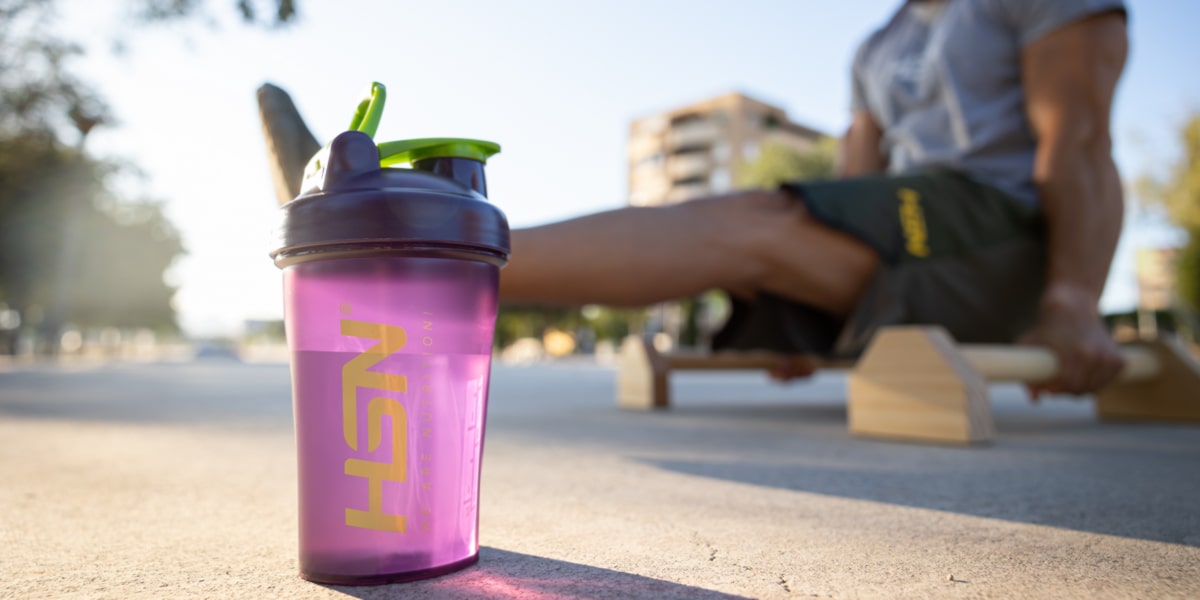
- The basic way to use it is to fill a shaker or mixing glass with liquid, add the manufacturer’s stipulated dose using a measuring scoop, shake well, and then drink immediately.
How much whey protein should I take?
The amount of whey protein one should take depends on individual needs.
It’s important to remember that whey protein is a source of protein, just like meat, fish, or eggs, meaning it is a food.
In this regard, it’s crucial to know your daily protein requirements to set up various intake times throughout the day, distributing this protein amount accordingly.
Whey protein shakes, due to their convenient consumption method, are commonly taken before and/or after training, or as breakfast, a snack, or between meals.
When should I take the shake?
The best or most optimal times would be:
- Upon waking: we can take a whey protein shake as soon as we get up. It’s also possible to take it with our breakfast (for example, a protein shake mixed with milk or plant-based drink and oat flakes).
- Before training: if we choose to take protein before starting our workout, it should be about 45-60 minutes beforehand.
- Post-training: it’s recommended to have a whey shake mixed with water immediately after intense exercise to start the recovery and muscle resynthesis process.

Synergy Between Whey Protein and Your Training Goals
Taking whey protein shakes can be linked to the goal you’re aiming for. Here are the most important ones:
Pre-Workout
This is particularly important if you train on an empty stomach. If you’re looking to maximize muscle mass gains, it could be highly beneficial to have a shake before starting the exercise, possibly even along with some carbohydrates.
Post-Workout Consumption
One of the most crucial times is to take a protein shake post-workout: This starts up all the machinery needed for the regeneration of muscle tissues degraded by mechanical stress.
This strategy follows the timing we associate with protein intake.
Meal Supplement
Another important functionality of whey protein shakes is to complement our requirements. In this case, we can take shakes along with meals that contain a lower protein load.
Nighttime Recovery
Although we mentioned that whey protein is quickly absorbed, we can “slow it down” by taking it at significant times, such as before going to sleep.
And, how do we do that?
Simply by mixing it with a source of slow-digesting proteins, such as curd cheese, whose main protein is casein (slow-releasing).
By mixing whey protein with curd cheese, we achieve a sequential release protein to nourish us through the night.
Rest Days
A mistake often made by many athletes or individuals aiming to improve their body composition is thinking that they should consume less protein on rest days.
Increase Protein Intake
There is a portion of the population that often does not reach the daily protein minimum. And this is a long-term problem.
What better way to avoid this than by adding whey protein shakes throughout the day?
Weight Control
Protein is the macronutrient whose digestion consumes the most calories and also increases satiety. These two premises are key in a weight loss or maintenance process.
Whey Proteins at HSN
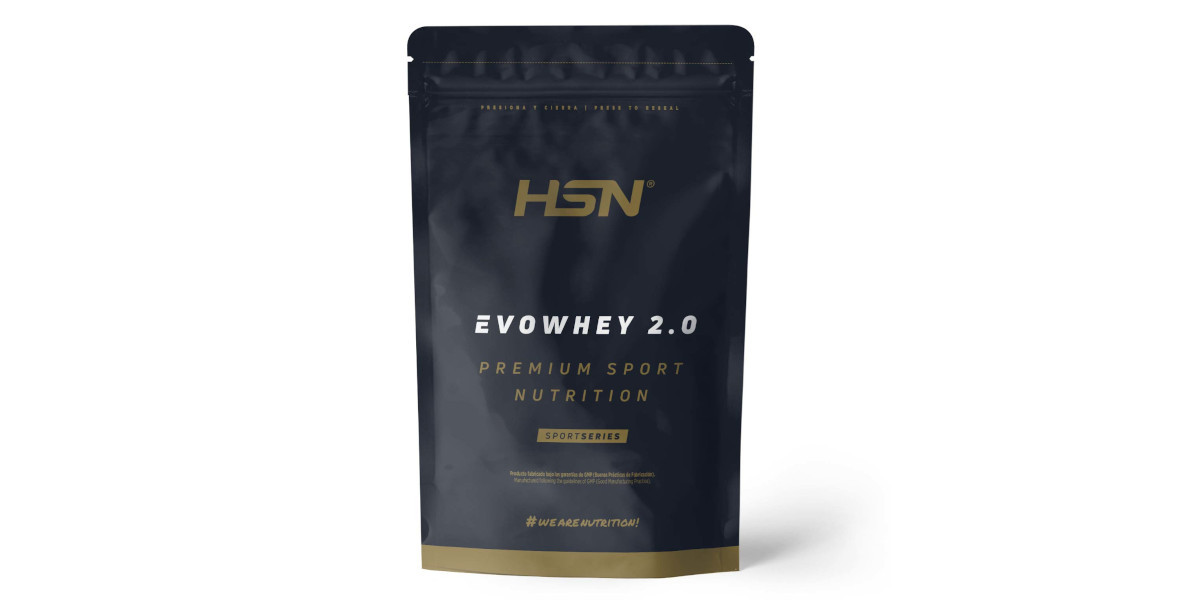
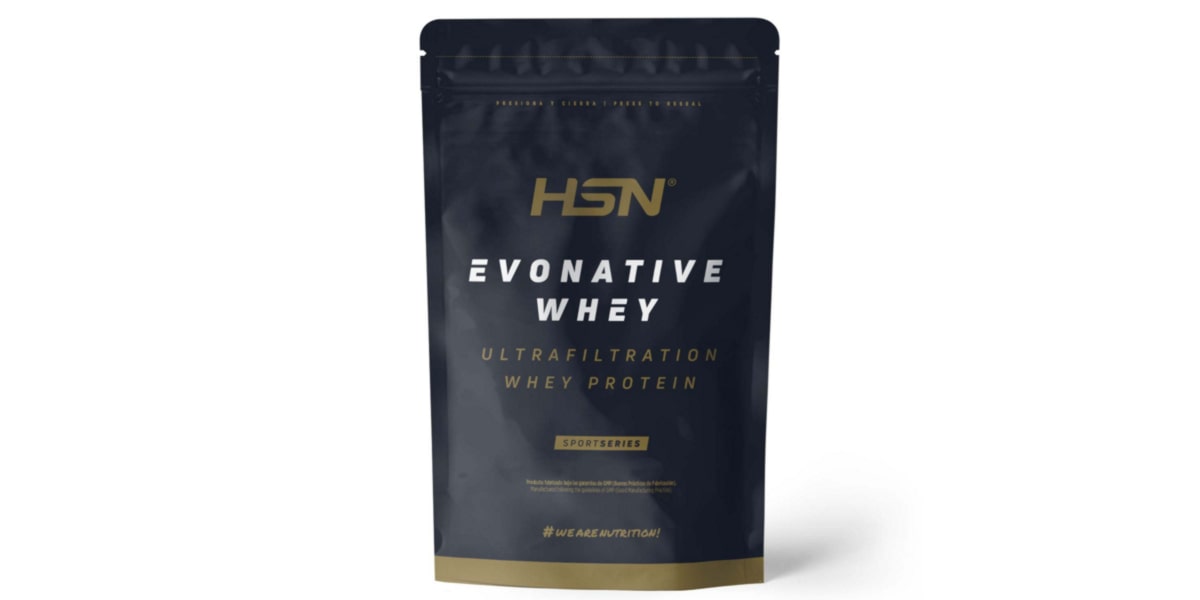
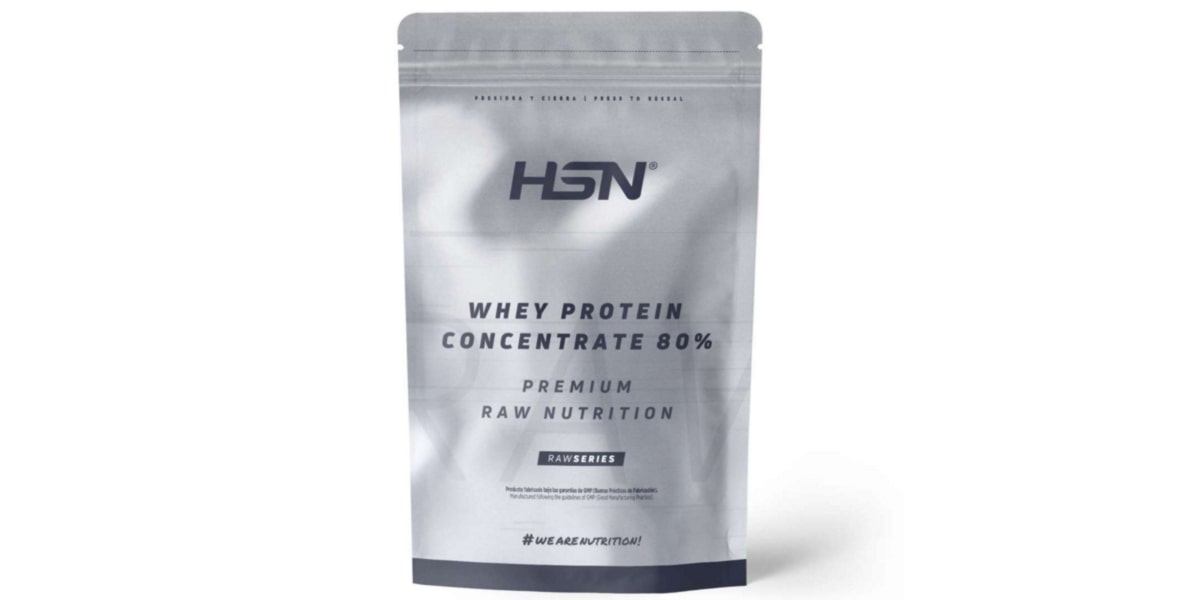
If you want to stimulate protein synthesis in a very comfortable, simple, and really appealing way, we recommend these products:
Related Posts
- What are the differences between animal and plant proteins?
- Creatine vs Protein: Which is Best for My Goals?
- Whole Wheat Croissants with Whey Protein
- Everything About Proteins