


 Fitness, Nutrition, Health and Sports Blog In the HSNstore Blog you will find tips about Fitness, sport in general, nutrition, and health – HSNstore.com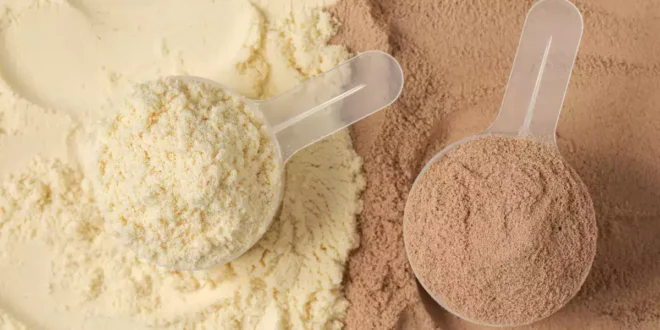

- Isolated whey protein offers higher purity per gram, reaching levels of up to 93% compared to 83% in the concentrated form. Additionally, it has a more affordable price and better flavours.
- Whey protein is derived from the liquid fraction of cow’s milk. The first result obtained is WPC (Whey Protein Concentrate), and further refinement through mechanical processes produces WPI (Whey Protein Isolate).
- Isolated whey protein is useful for cutting phases and fat loss diets, whereas concentrated whey protein is ideal for muscle growth and weight maintenance.
Key Differences Between Whey Concentrate and Isolate
| WHEY PROTEIN ISOLATE WPI | WHEY PROTEIN CONCENTRATE | |
| % Protein | 89-93% | 55-89% |
| % Carbohydrates |  |  |
| % Fats | | |
| Purity | | |
| Lactose | | |
| Solubility | | |
| Cutting Diet | | |
| Maintenance Diet | | |
| Bulking Diet | | |
| Price | | |
Which Is the Best Option?
It is important to understand the benefits and differences of each type to determine which one best suits your diet and goals.
Complete Whey Protein Catalogue
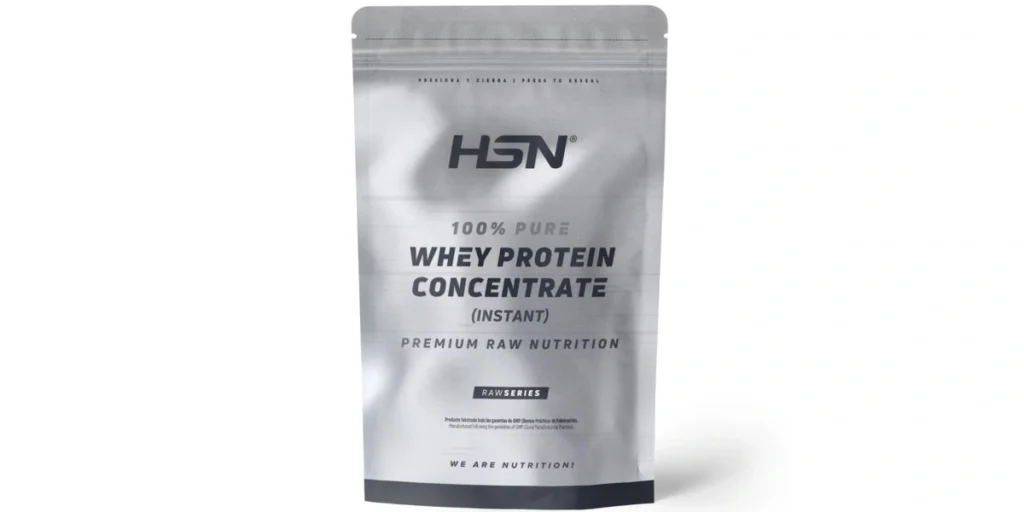
Whey Protein Concentrate
It is the first result obtained from whey processing. This is the most popular supplement due to its effectiveness and more affordable price. Pros
- Medium to high protein content (up to 84%).
- More intense flavours.
Cons
- Slightly higher fat and carbohydrate content.
- Not recommended for lactose-intolerant individuals.
Whey Protein Isolate
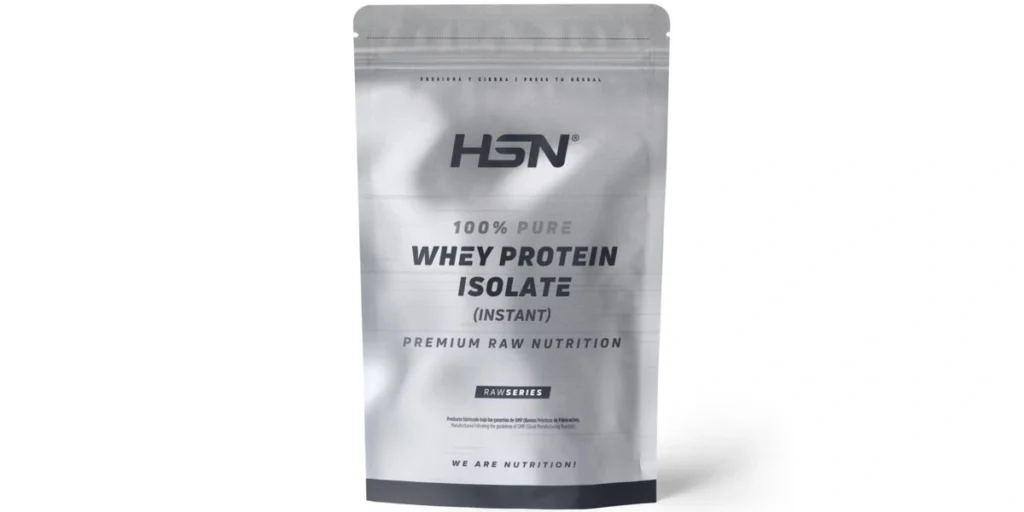
It is obtained through further processing of WPC, resulting in a protein that is very low in fats and carbohydrates, with minimal lactose traces. Pros
- High protein content (up to 93%).
- Very low fat and carbohydrate levels.
- Lower lactose content, making it easier to digest.
Cons
- Higher price compared to whey protein concentrate.
When to Use Them Based on Your Goals
Both options are highly useful for individuals looking to monitor and improve their diet, as well as those with digestion issues.
- Muscle Growth: Whey protein concentrate is designed to provide protein in a convenient way. If your goal is to consume high-quality protein for muscle growth or weight maintenance without a significant financial investment, this is the ideal option.
- Cutting: Whey protein isolate offers purer protein with lower sugar and fat content. It is an excellent choice if you are in a cutting phase or following a fat-loss diet.
Conclusions
Both types of protein can fit perfectly into maintenance and bulking diets due to their protein and amino acid content. These diets typically aim to increase calorie intake (bulking diet) or maintain a normocaloric intake (maintenance diet).
In the case of whey protein isolate, the lower lactose content helps reduce bloating, which some people experience when consuming whey protein.
Related Articles
- Why Whey Protein is Essential for Athletes
- Differences Between Native Whey and Regular Whey Protein
- How to Take Creatine and Protein Together Effectively
- Creatine or Protein: Which to Choose Based on Your Goals
- Key Differences Between Hydrolysed Protein and Other Proteins
- Discover the Properties of Different Types of Whey Proteins
- Key Steps to Taking Whey Protein
- What is Evowhey and What Is It For?






I really like your post, especially the way you describe it in detail.
protein is a very essential source in our lives to stay fit and healthy
thanks for sharing